
Case studies · Catalog · Hunting & outdoor equipment
How a Hunting Equipment Specialist Sells the Full Warehouse Catalog From Any Store Counter
French hunting equipment specialist2 physical locations + online store
Sell the full warehouse catalog from any store counter
A well-established French e-commerce specialist in hunting equipment — rifles, optics, ammunition, clothing, and accessories. The company built a strong online reputation in a niche market with deep product expertise and a carefully selected catalog of thousands of references. After sustained online success, they opened a first in-warehouse shop, which performed well enough to justify a second physical location. Today the business operates with approximately 70% of revenue online and a growing physical retail presence.
- Problem
- Thousands of SKUs in the warehouse. Only a fraction on the shop floor.
- Setup
- Full catalog at every terminal. Order anything, ship anywhere.
- Result
- 100%catalog accessible in-store
01 / Before
Where they started
The fundamental tension of opening physical stores for an online-first business with thousands of SKUs: most of the catalog physically lives in the central warehouse, not on the shop floor. A customer walks into the store looking for a specific riflescope, but only the 20 most popular models are displayed. The item they want exists in stock — but at the warehouse, not at this location. Without an endless aisle system, the salesperson has two bad options: tell the customer to order online (losing the in-person sale opportunity and the relationship), or call the warehouse to check availability and arrange a manual transfer (slow, unreliable, and disruptive to warehouse operations). For a specialist retailer where average transaction values are high and customer trust is everything, losing a sale because of shelf limitations is not just a missed revenue opportunity — it undermines the expertise-driven brand the business has built.
What kept going wrong
- 1
Thousands of SKUs in the warehouse but only a fraction displayable on the shop floor
- 2
Lost sales when customers wanted products available in stock but at another location
- 3
No way to place cross-location orders from the store POS
02 / Configuration
What we set up
myWebPOS was deployed across both store locations with the full warehouse catalog connected to every terminal. The system bridges the gap between physical shelf space and total inventory.
Every POS terminal has live access to the complete product catalog including real-time stock levels across all locations — both stores and the central warehouse. When a customer asks for a product not on the shelf, the salesperson can instantly search the full catalog, show product details on screen, confirm availability, and complete the transaction. For items at another location, three fulfillment options are available directly from the POS: ship to the customer's address from the warehouse, transfer stock to this store for pickup at a later date, or reserve at the other store for direct pickup. All transactions flow into the same order management system as online sales — no parallel system, no manual reconciliation.
03 / Before · After
What changed
01Products available to sell in-store
BeforeLimited to physical shelf stock
After100% of warehouse catalog
02Lost sales from out-of-stock
BeforeRegular — customer leaves empty-handed
AfterNear-zero — order placed on the spot
The stores effectively offer the same product breadth as the online shop, despite having a fraction of the physical display space. Sales staff no longer turn customers away for out-of-stock items — they place the order on the spot and let the customer choose their preferred delivery method. The cross-inventory capability is particularly valuable for purchases requiring careful consideration in the hunting category: a customer can handle a product in-store, get expert advice from the salesperson, then order related items from the full catalog in the same transaction. For the business, this means physical stores are no longer limited by their square footage — they function as showrooms backed by the full warehouse depth.
What this case shows
In the hunting equipment market, products range from small accessories to high-value optics and firearms. Customers often want to see one item in person, then order related products from the full catalog. The endless aisle approach turns a small shop floor into access to the entire warehouse.
Stores
Not just for hunting equipment
Any specialist retailer with a deep catalog and limited shop floor space faces the same challenge — the products exist, but customers can't see them.
- Electronics retailers where only bestsellers are on display but hundreds of variants exist in stock
- Auto parts specialists where the full catalog is warehouse-only
- Sports equipment shops where bulky items like kayaks or bikes are stored off-site
- Any retailer with high-value, high-consideration products where expert advice closes the sale

Your turn
Got the same problem?
Walk us through how your team works. We’ll tell you what configuration covers and what needs custom work.
« We built this one. Let’s talk about yours. »

More cases at the same step
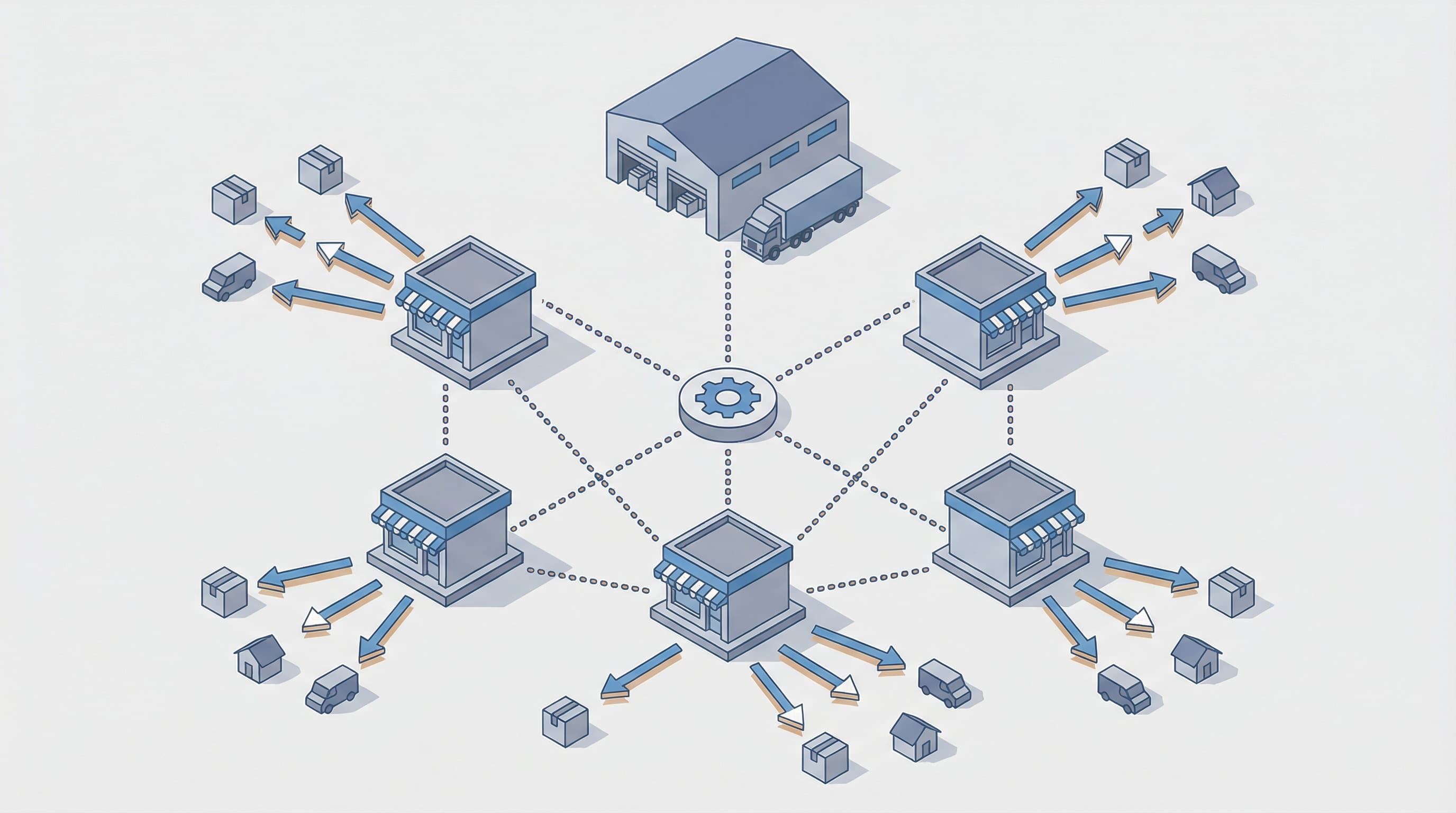
3 delivery modes per order
Gifts & gadgets retail5 stores as fulfillment nodes: ship, collect, or take now
5 stores unified on one platform
Gifts & gadgets retailEscaping Shopify POS: 5 stores unified, costs slashed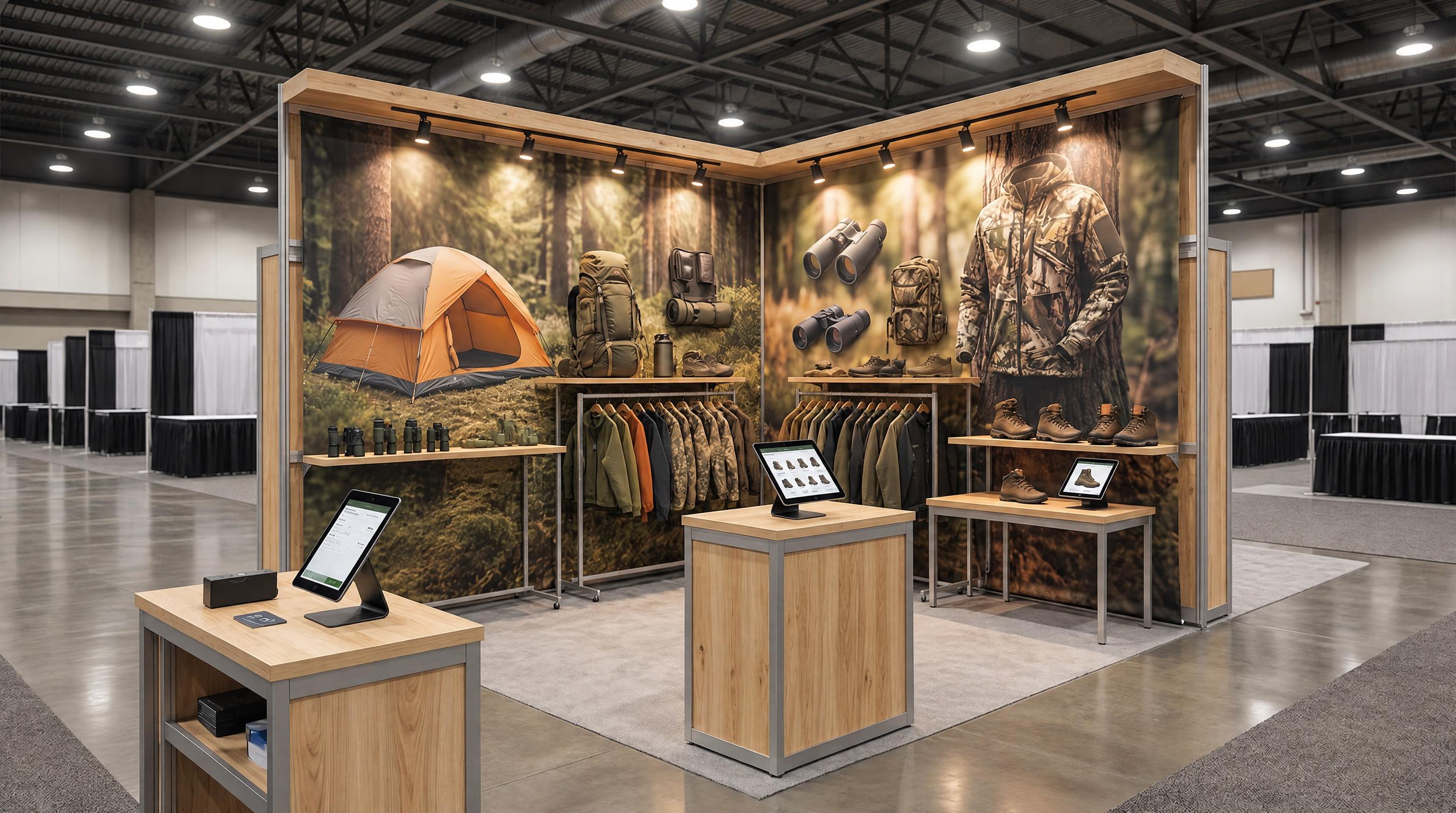
5 POS terminals deployed in minutes
Hunting & outdoor equipmentSpin up 5 POS terminals in minutes at trade shows