
AI hallucinations: the framework that makes your assistant’s work reliable
On February 3, start from a risk-free exercise: the Monday operations brief from step two or your volunteers’ task. Write it down exactly as the team performs it, add three concrete checks and test the result on known cases. You will leave with a tested procedure: its instructions, its checks, a column for discrepancies and around ten cases whose answers you already know.
On the agenda
- 1Write down the task exactly as the team performs it
- 2Add three concrete checks, test the result, then correct or discard the approach
- 3Build a procedure with a column for discrepancies and around ten cases whose answers are already known
- 4Decide how much review the task still needs
What you’ll learn
- Describe a task the way the team does it day to day
- Add three concrete checks before trusting the result
- Test the procedure on around ten cases with known answers
- Set the level of review the task still needs
About this session
A convincing answer is not enough. Before you rely on your AI assistant, describe the task as your team actually does it and decide which checks a correct result must pass.
You will add three checks as simple as "1 + 1 = 2", test the instructions and correct or discard the approach. The method relies on the framework, not the prompt.
Your working document will include the instructions, the checks, a column for discrepancies and around ten known cases. It will also state how much review the task still needs. A motorcycle parts distributor puts numbers on that level: a product match above 96% confidence is approved automatically, and one between 90% and 96% is reviewed every week.
This is step four of "AI, up and running", Boostmyshop’s AI training program for e-commerce teams: 8 free webinars. David Butin hosts it with a guest who has been there. The live session is in French; the replay and training materials will be available in English.
Continue exploring

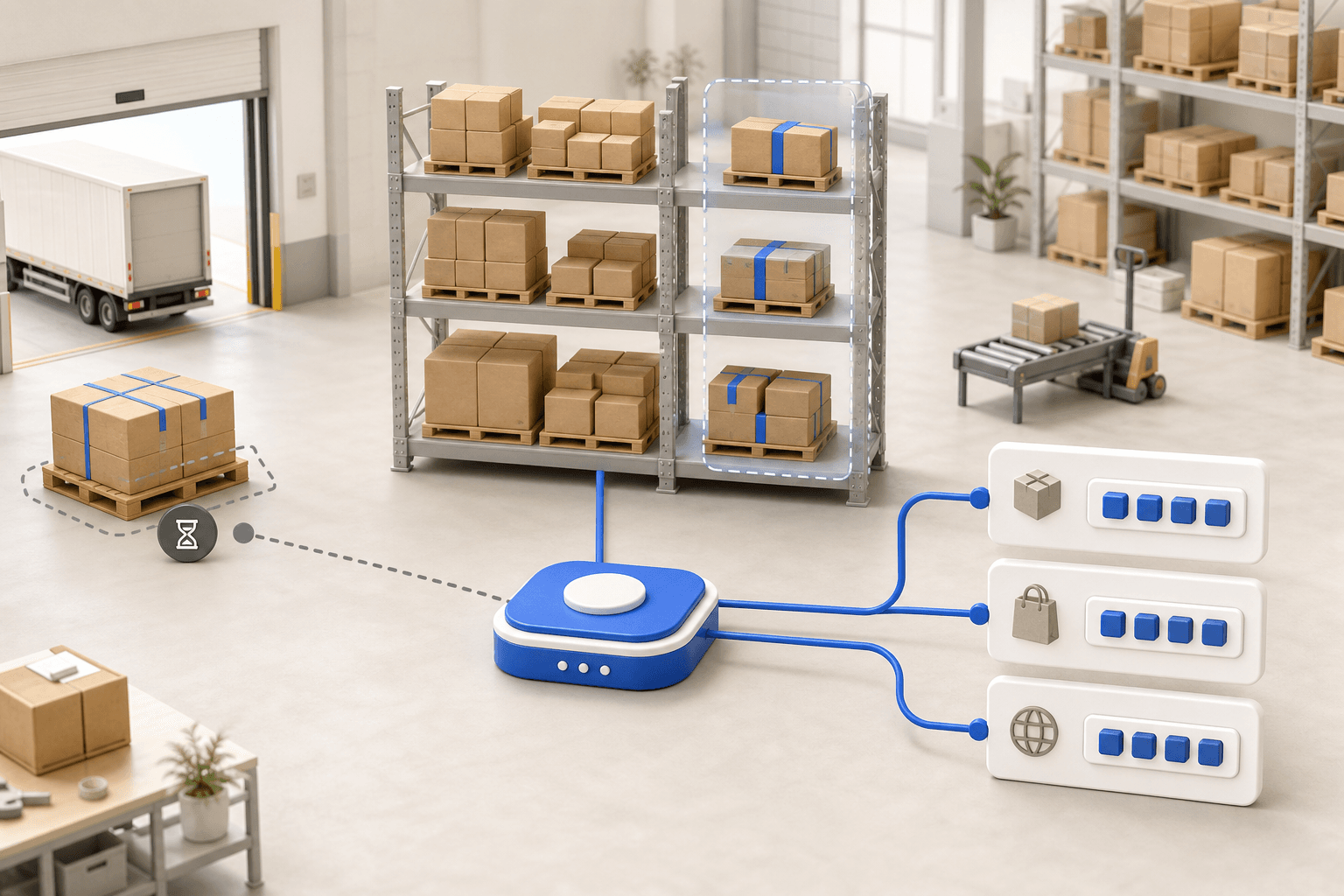
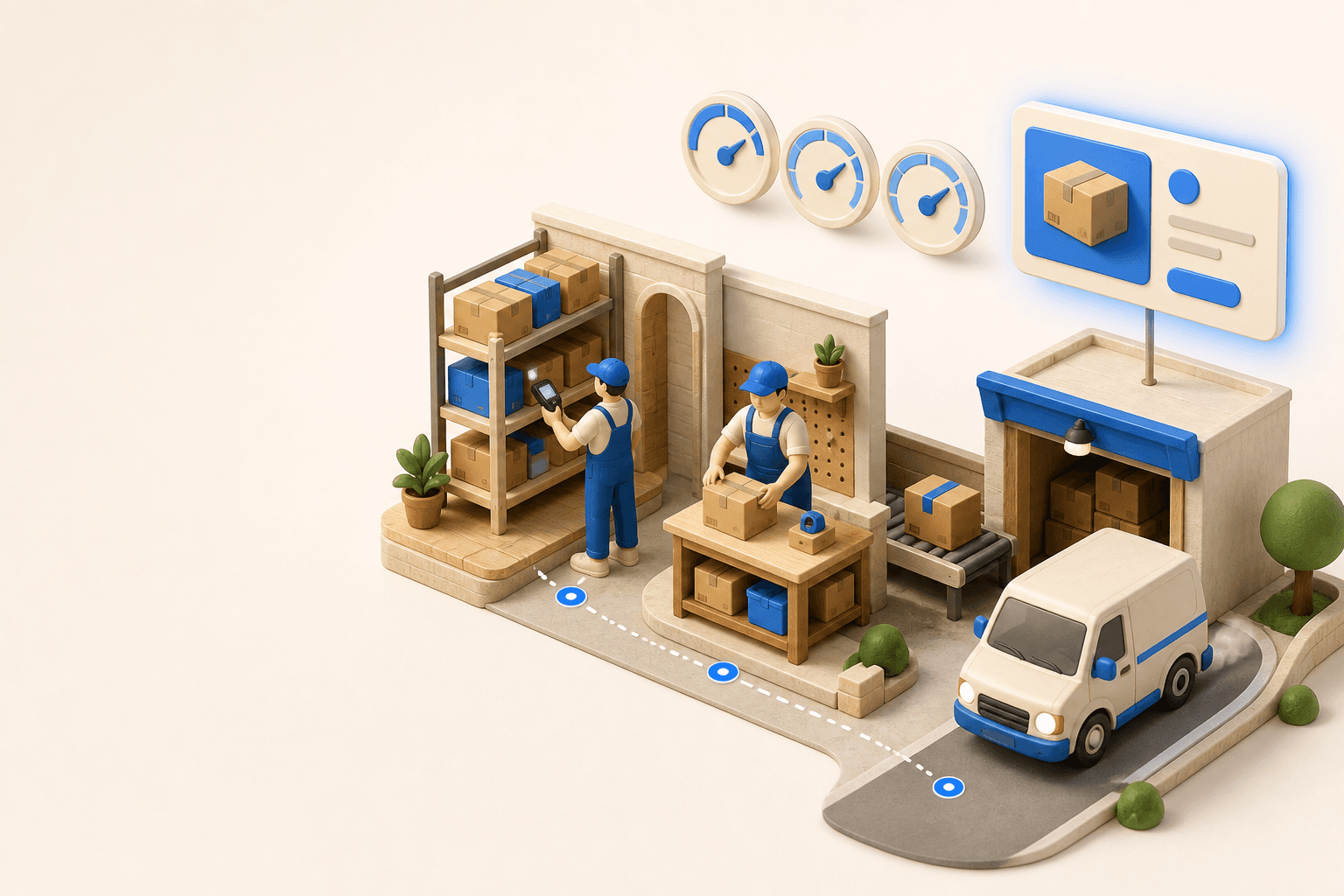



Stock availability, picking accuracy, and shipping times affect marketplace sales. Jonathan Coloma, COO of Repiauto, explains how his team went from 300 to 1,000 orders a day in two years. He describes the limits of paper-based work, ERPs built for different needs, a go-live estimate of fifteen days, and changes to his daily routine.

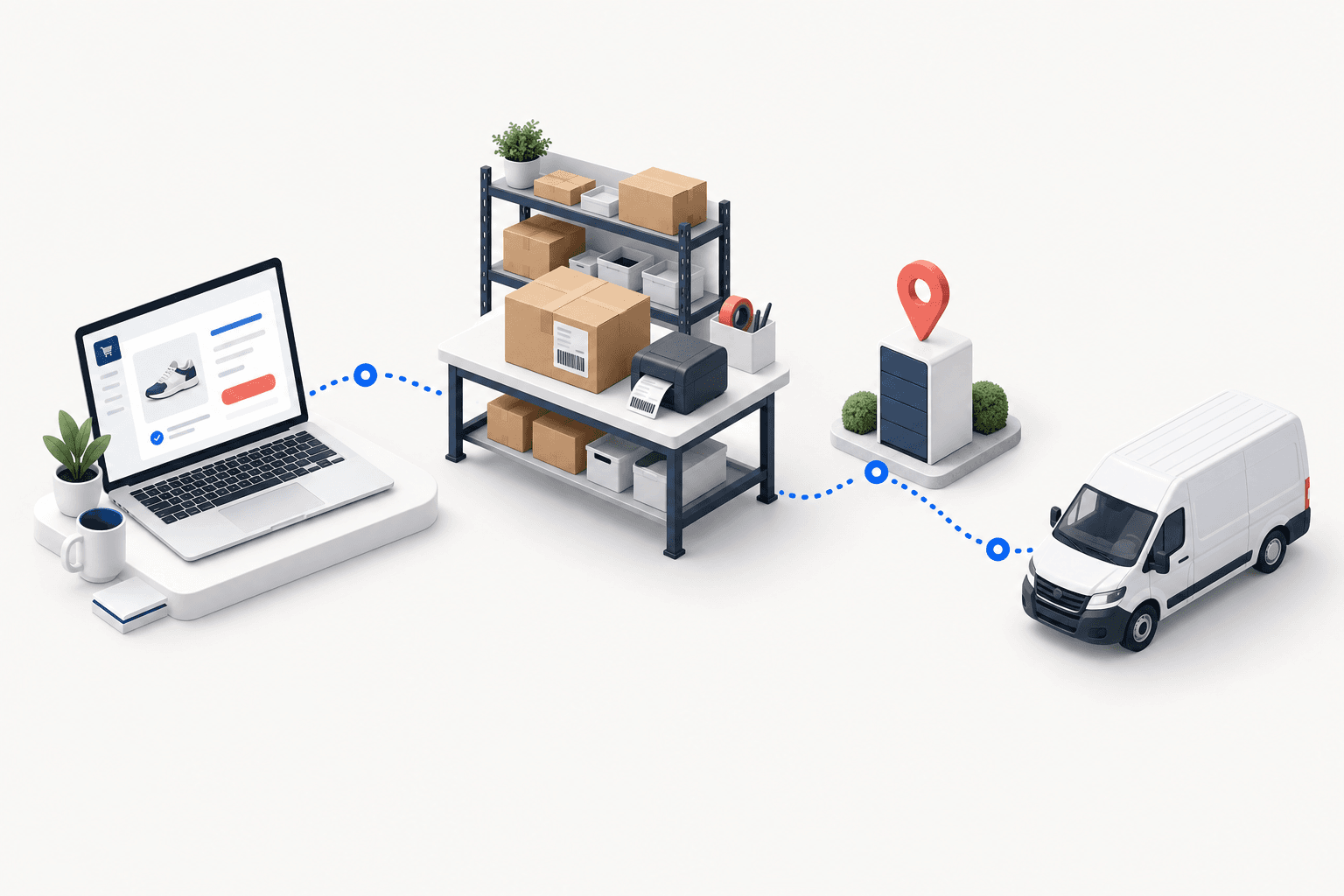
To hold up under peak volume, split the order queue into waves based on real operating constraints, then decide where barcode checks belong. At the packing bench, the operator verifies the parcel. Carrier rules select the service and print the label, so the next order can start without another decision.

Industrializing your purchasing means ordering on rules, not guesswork: at the right time (the reorder point), in the right quantity (your coverage period), from the right supplier, with a purchase order validated in one click. Available on replay.
















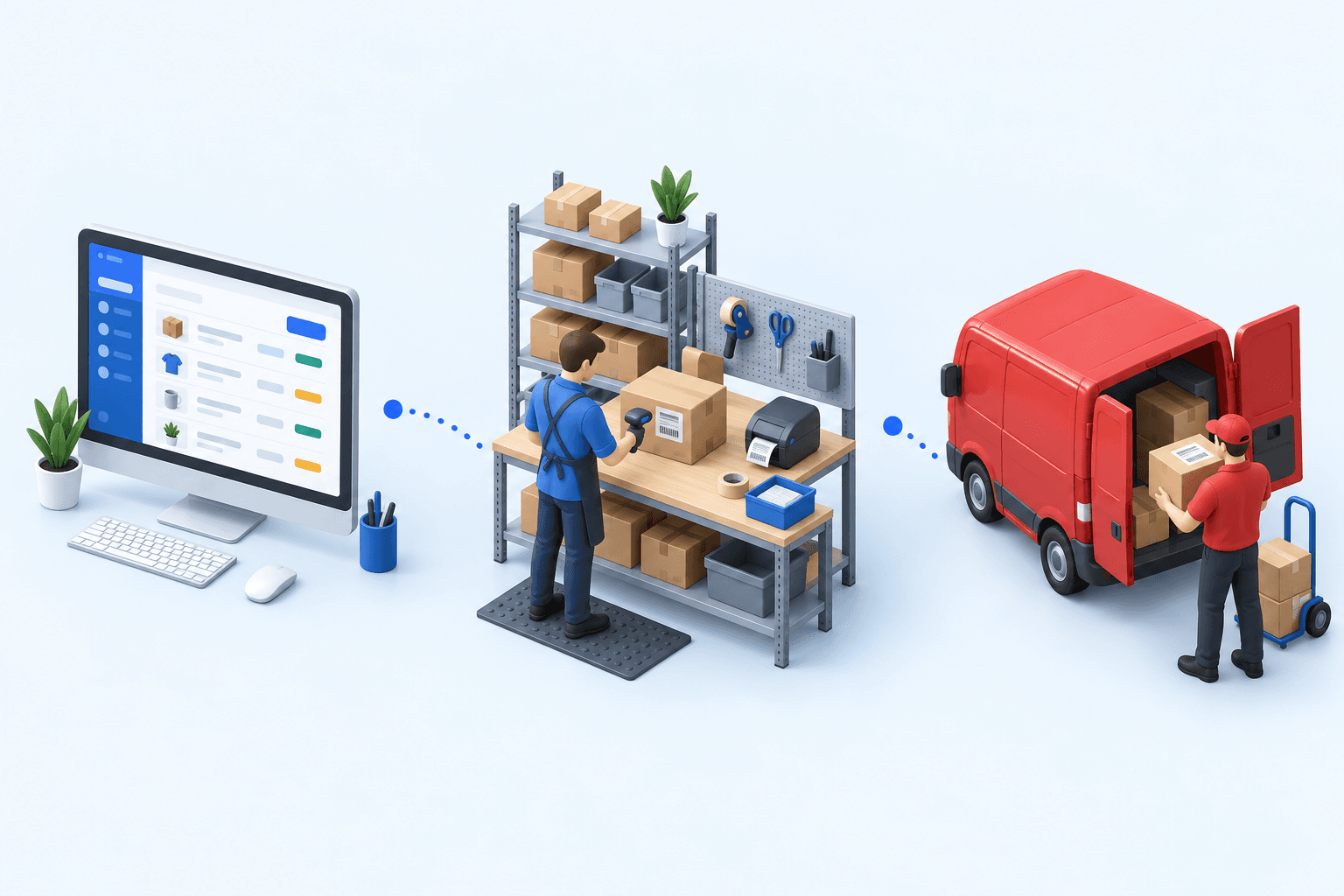






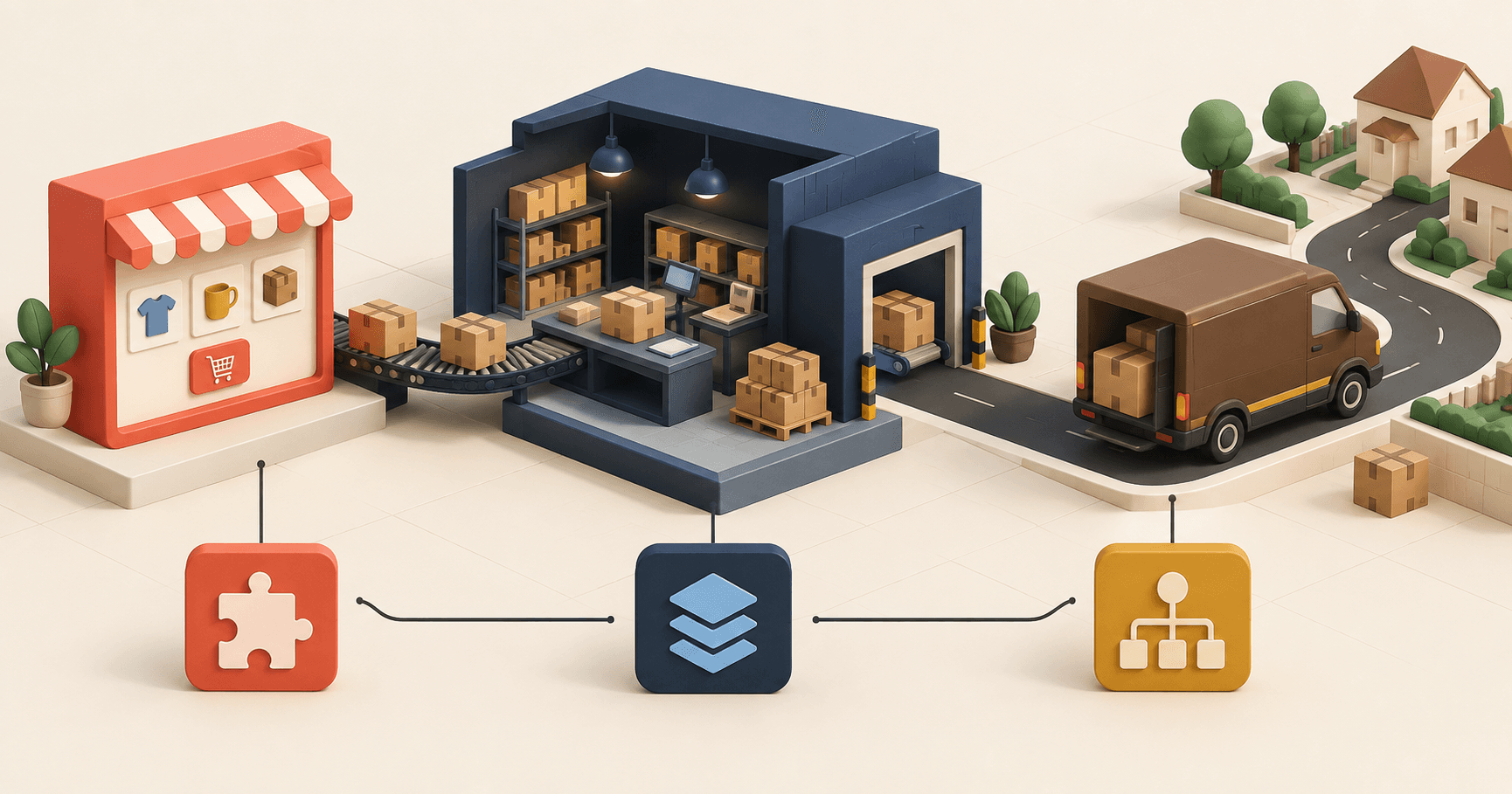








On December 16, set up a project with instructions and reference documents, then produce a Monday operations brief from an export with no customer data. You will leave with the workspace and a record of the requests that work for you. The live session is in French; the replay and training materials will be available in English.
A well-interpreted search reveals what customers want, even without a sale. This Boostmyshop × Venture.ia replay shows how Findy turns that signal into conversions, then how Boostmyshop reserves stock and opens its data to Héhocom so picking and delivery can keep up with order growth.
On January 20, find out in five minutes who already uses which AI tools, prepare a one-hour awareness session and get two volunteers started. You will leave with the outline for that session, a plan for the volunteers and three rules covering company tools, a fixed-price subscription and customer data.
On March 31, compare your project with its baseline for time and errors, and work out what it costs. Decide what to scale, what to stop and when to reduce review. You will leave with a before-and-after comparison, a 90-day plan, the method on one page and the outline of your next project.
On February 17, score 10 tasks for operational pain, difficulty and whether the result can be checked. For each one, decide whether it needs a setting, your AI assistant or a process change, or whether it can wait. You will choose one verifiable task and record its baseline with 5 timed cases and the previous month’s errors.
On March 3, decide what your AI assistant reads, what it prepares, what it must not change and who approves. You will leave with the connection map for your project: the sources, a dedicated read-only account to start and the person responsible for approval.
A successful migration does not replace everything at once. It starts by deciding what to keep, replace or connect, then sequences each move around the work people actually do. On December 10, Boostmyshop and Dedi Agency will map those choices from the storefront to day-to-day operations.
AI still feels like a black box when teams do not know what it actually does. On November 25, David Butin will draw on lessons from three years of using AI at Boostmyshop. He will answer a broad question: where do you start if you want to explore AI, get your organization moving and bring your team along? He will explain, without jargon, what an AI assistant can and cannot do and why critical thinking still matters. The practical perspective will come from e-commerce business leaders at the roundtable, including Arnaud Darsonval of La Ferme de Sainte-Marthe. The live session will be in French. The replay and training materials will be available in English, so English speakers can register.
On March 17, complete the inventory of AI use across your team, give each AI assistant its own account and choose between a subscription and usage-based billing. You will leave with a one-page AI policy and a test to check whether an internal tool is still open on the web.
Let’s review your order workflow
In 20 minutes, we’ll identify bottlenecks and ways to save time. No slides.
Free 20-min call · No commitment