
FedEx PrestaShop: which shipping setup fits your operation?
A store-level module fits a simple PrestaShop warehouse. A shipping platform consolidates carrier labels. An OMS/WMS is the stronger choice when channels, warehouses, or routing rules multiply. In every setup, prove the PrestaShop import, FedEx rate response, label, and tracking return separately before launch.
 By Diogo Monteiro · E-commerce Integration Expert· Updated September 24, 2026· 4 min read
The essentials
- A store-level module can cover a simple PrestaShop operation; an OMS/WMS is justified by several channels, warehouses, or transport rules.
- PrestaShop credentials and FedEx credentials open different handoffs and must be accepted independently.
- A FedEx rate response does not prove label creation, and a printed label does not prove tracking returned to PrestaShop.
- The 20-minute test checks import, rate, label, and status/tracking write-back in that order.
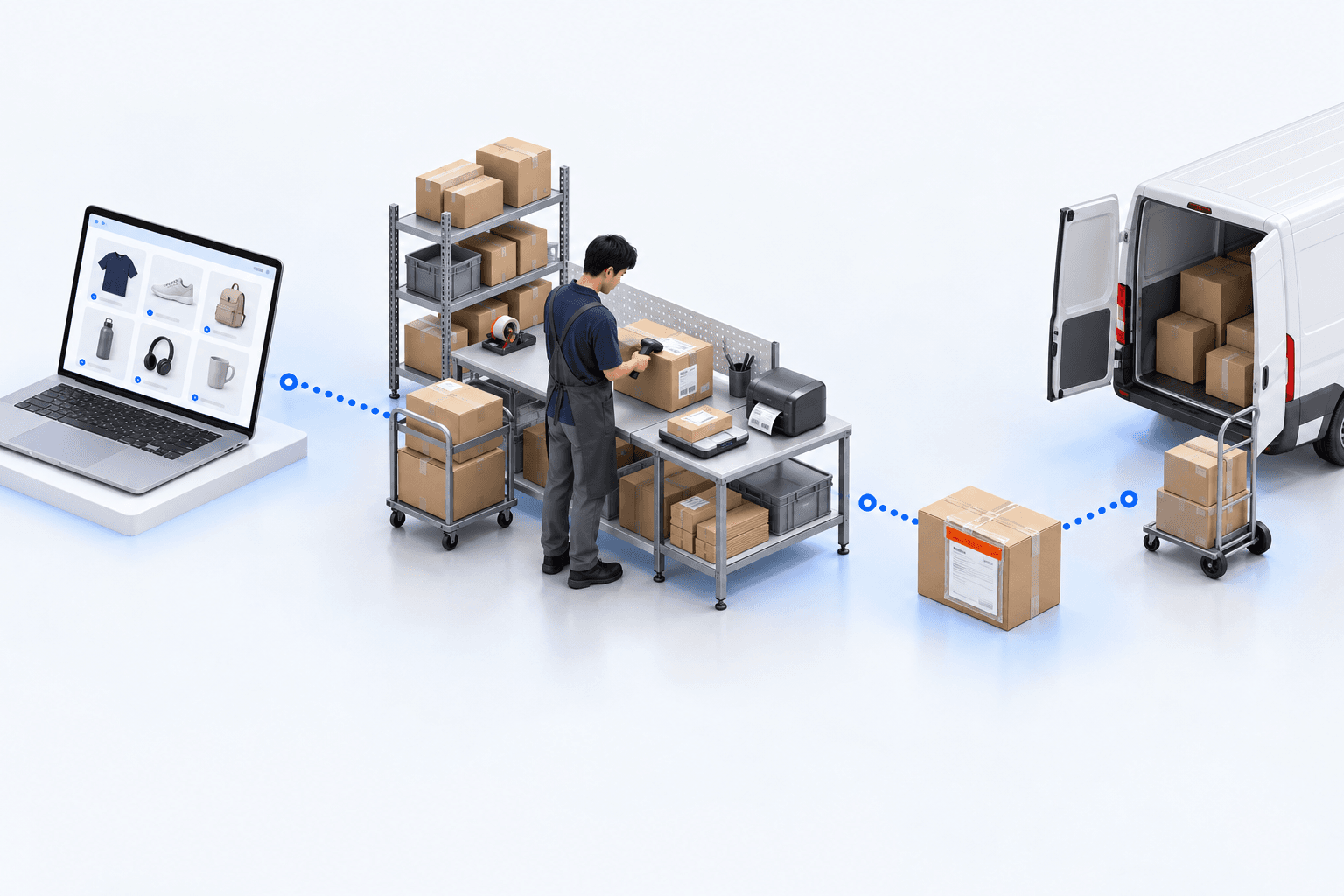
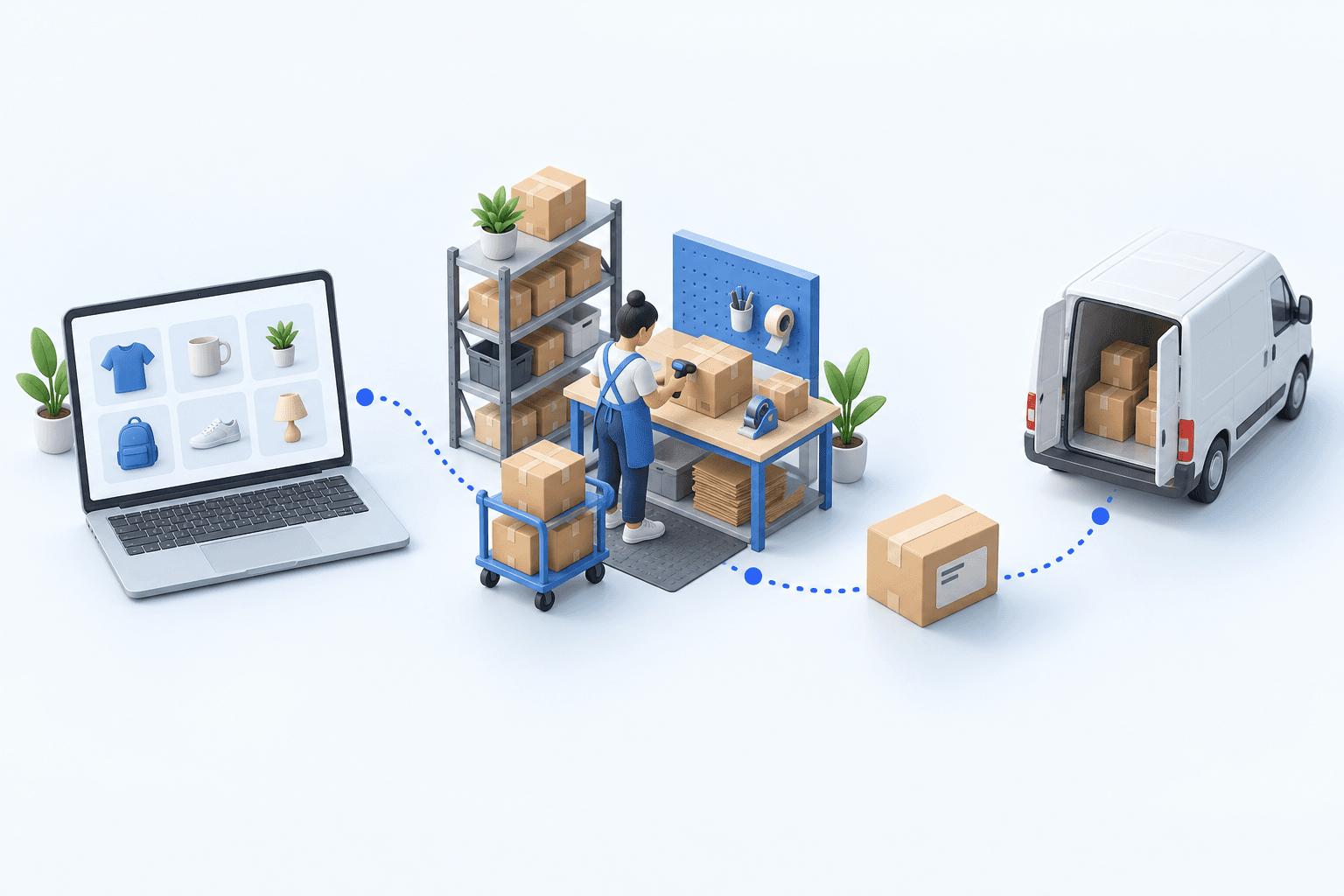
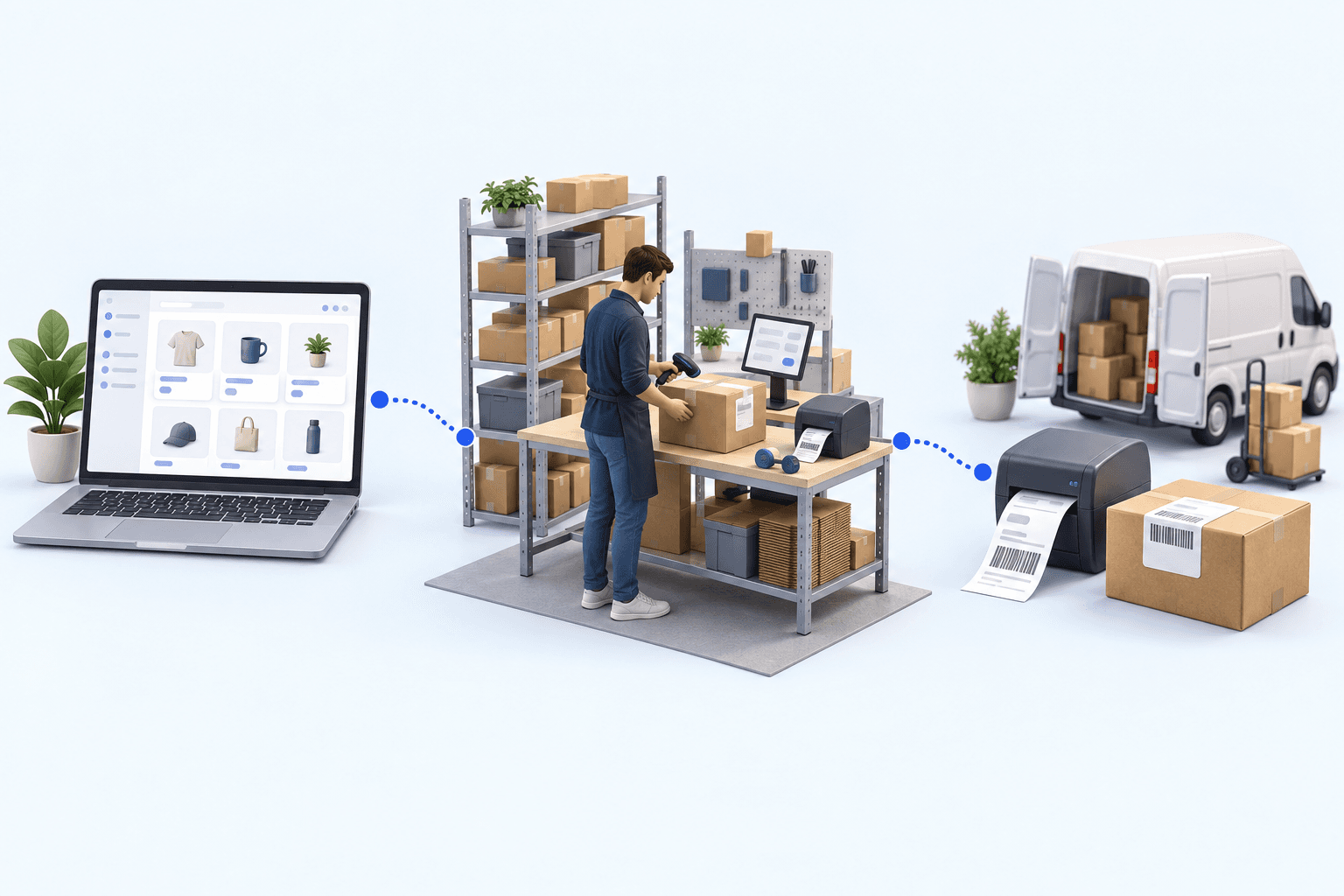
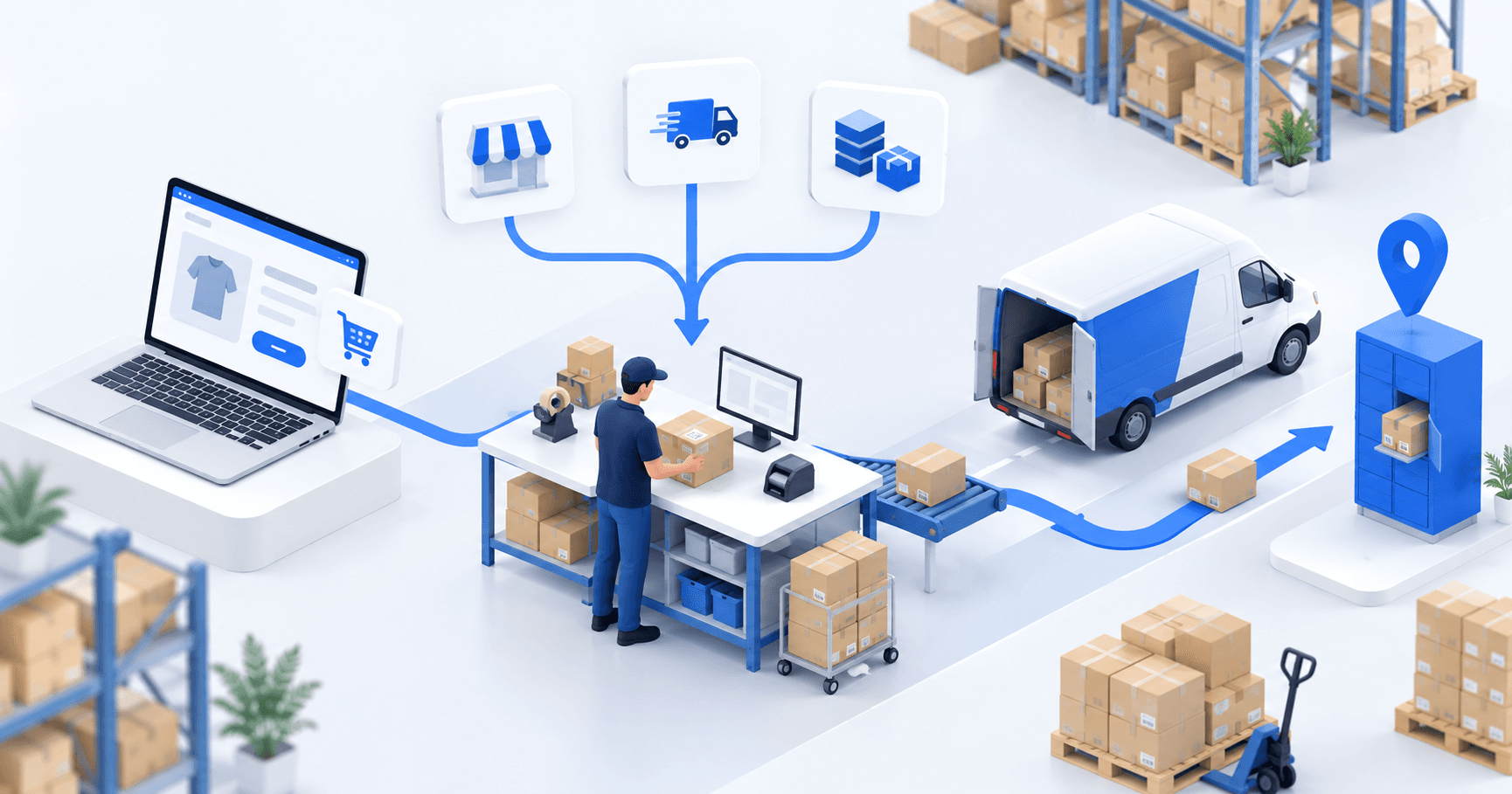
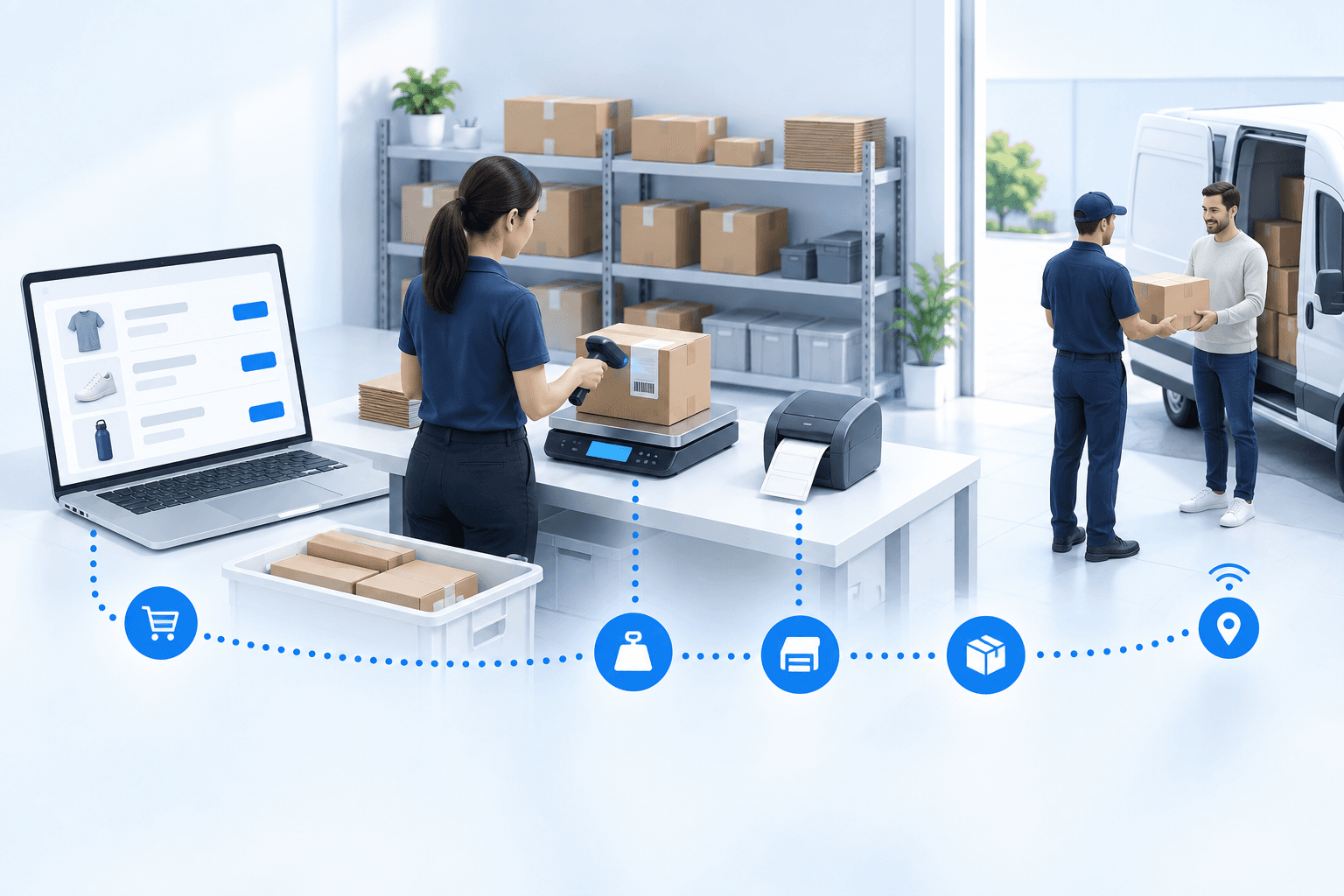
At 4:40 p.m., the international order is visible in PrestaShop and its FedEx quote looks right. At the packing bench, the label request is rejected because the country of origin is missing. A second parcel prints, but PrestaShop never receives its tracking number. A working connection therefore requires four separate checks: import, rate, label, and write-back.
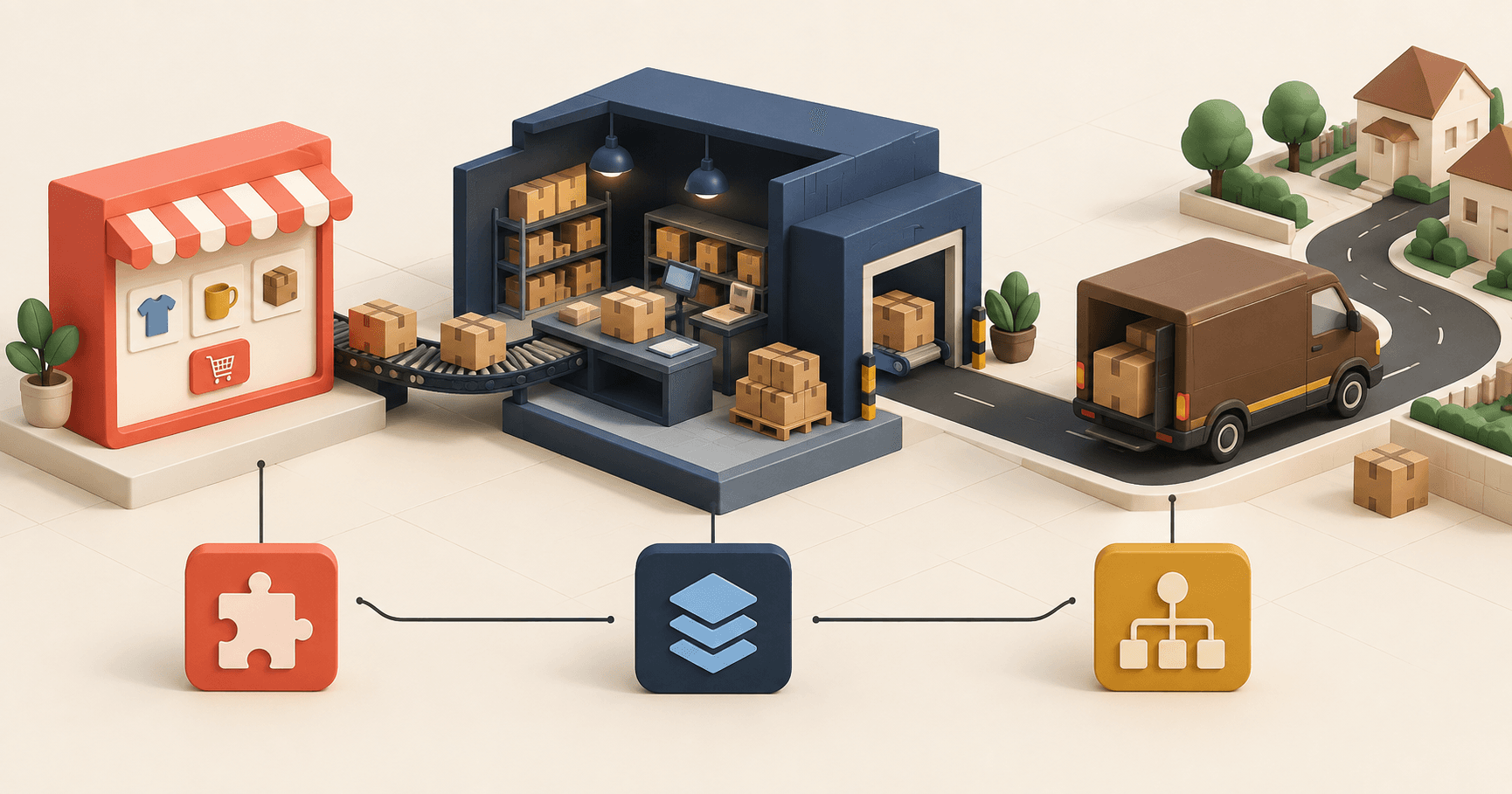
FedEx PrestaShop: three shipping setups
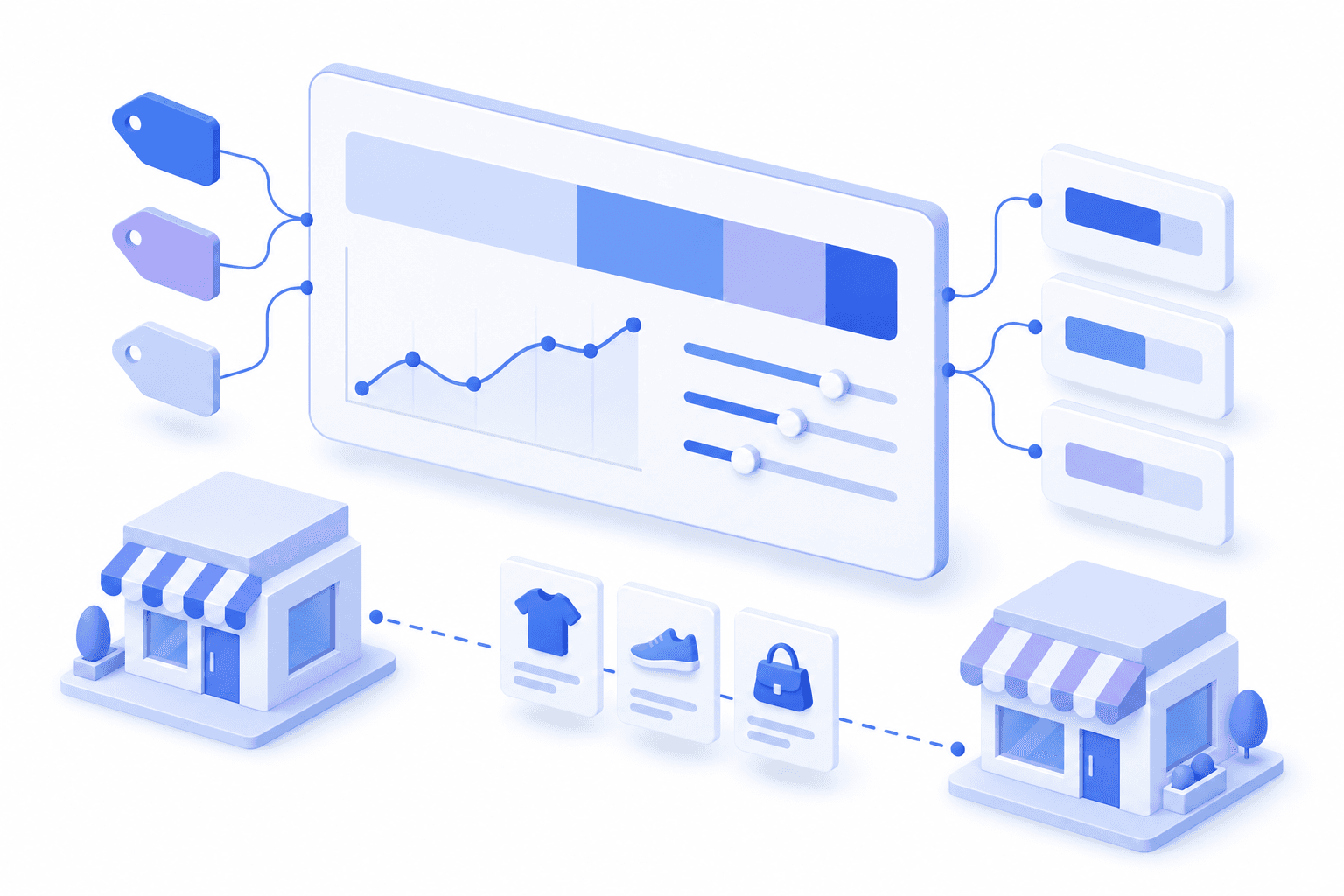
A store-level carrier module is enough when one PrestaShop store ships from one warehouse and the team can manage exceptions in the back office. Confirm which FedEx account, services, regions, and label formats that module actually covers.
A shipping platform groups several carriers into one label workspace. It suits a straightforward picking flow when inventory and order routing remain elsewhere.
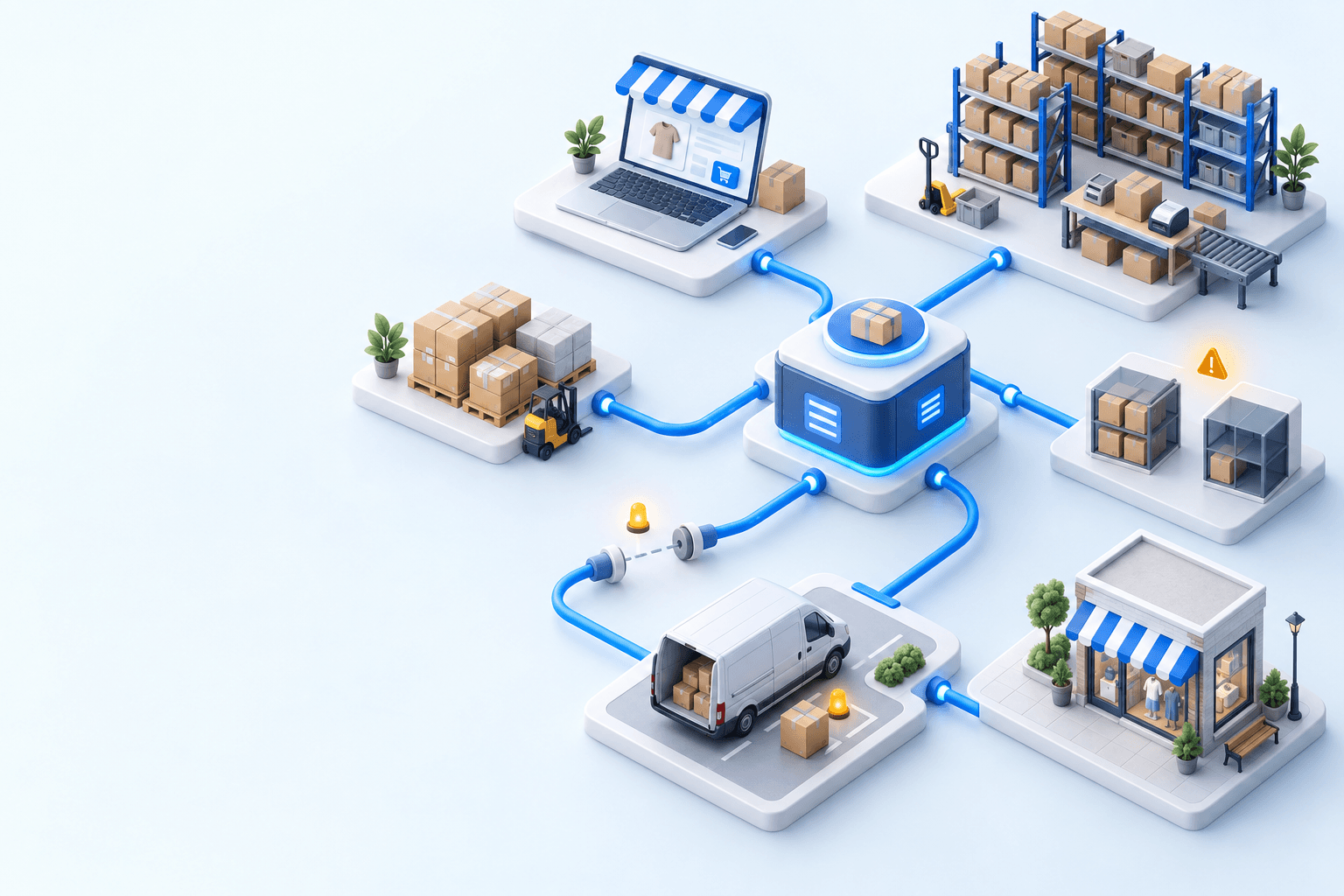
An OMS/WMS is useful when orders arrive from several channels, stock is spread across warehouses, or service selection depends on weight, destination, product, or customer promise.
| Setup | When it is enough | Boundary to prove |
|---|---|---|
| Store module | One store, one warehouse | Account and service scope |
| Shipping platform | Several carriers, simple fulfillment | Import and write-back |
| OMS/WMS | Several channels or warehouses | Rules and exception ownership |
PrestaShop’s project team released version 9.1 in 2026 with two experimental features, including multi-carrier shipping (PrestaShop Project, 2026). That storefront feature does not by itself prove a FedEx account, warehouse label, or status return. For the myFulfillment path, PrestaShop uses the store URL and Webservice key; FedEx uses its own API key, secret, environment, and account context. The two credential sets must be tested and accepted independently.
The failures sit at four separate handoffs
First, the PrestaShop order must enter the operations queue with the correct payment state, delivery method, address, items, and store identifier. The connector polls PrestaShop about every five minutes; a missing order is therefore an import or mapping problem, not a FedEx label problem.
Second, the mapped service must be eligible for the account, route, parcel, and requested date. FedEx reports nearly 18 million average daily shipments across more than 220 countries and territories in FY26 (FedEx company facts, 2026). That network size is not proof that one service is enabled for one account. A quote proves only that the Rate call returned a result.
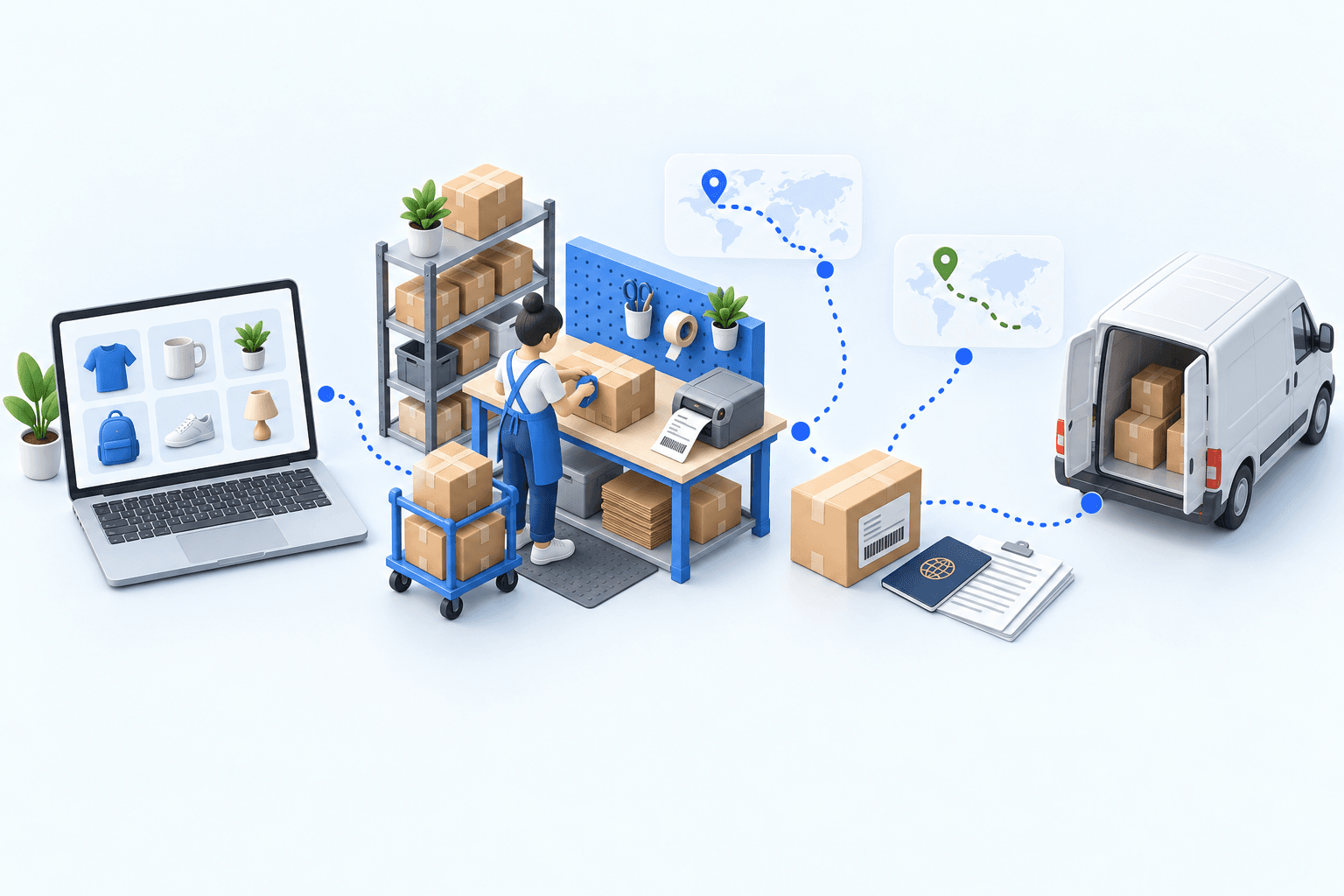
Third, label creation has its own inputs. An international request can need the declared value, commodity description, HS code, country of manufacture, parcel weight, and dimensions. FedEx retired its Tracking, Address Validation, and Validate Postal Codes Web Services WSDLs on May 15, 2024, and directs customers to upgrade through the Developer Portal (FedEx Developer Resource Center, 2024). This workflow uses FedEx Developer Portal REST APIs. Keep Hold at Location out of scope unless a test order preserves the FedEx location identifier through label creation.
Fourth, shipment confirmation must update both the PrestaShop order status and its carrier tracking reference. Those are distinct operations. Arcep counted 1.7 billion parcels distributed in France and exported in 2024, up 3.7% year on year (Arcep observatory, published 2025). At that scale, a silent tracking gap is an operating failure, not a cosmetic one.
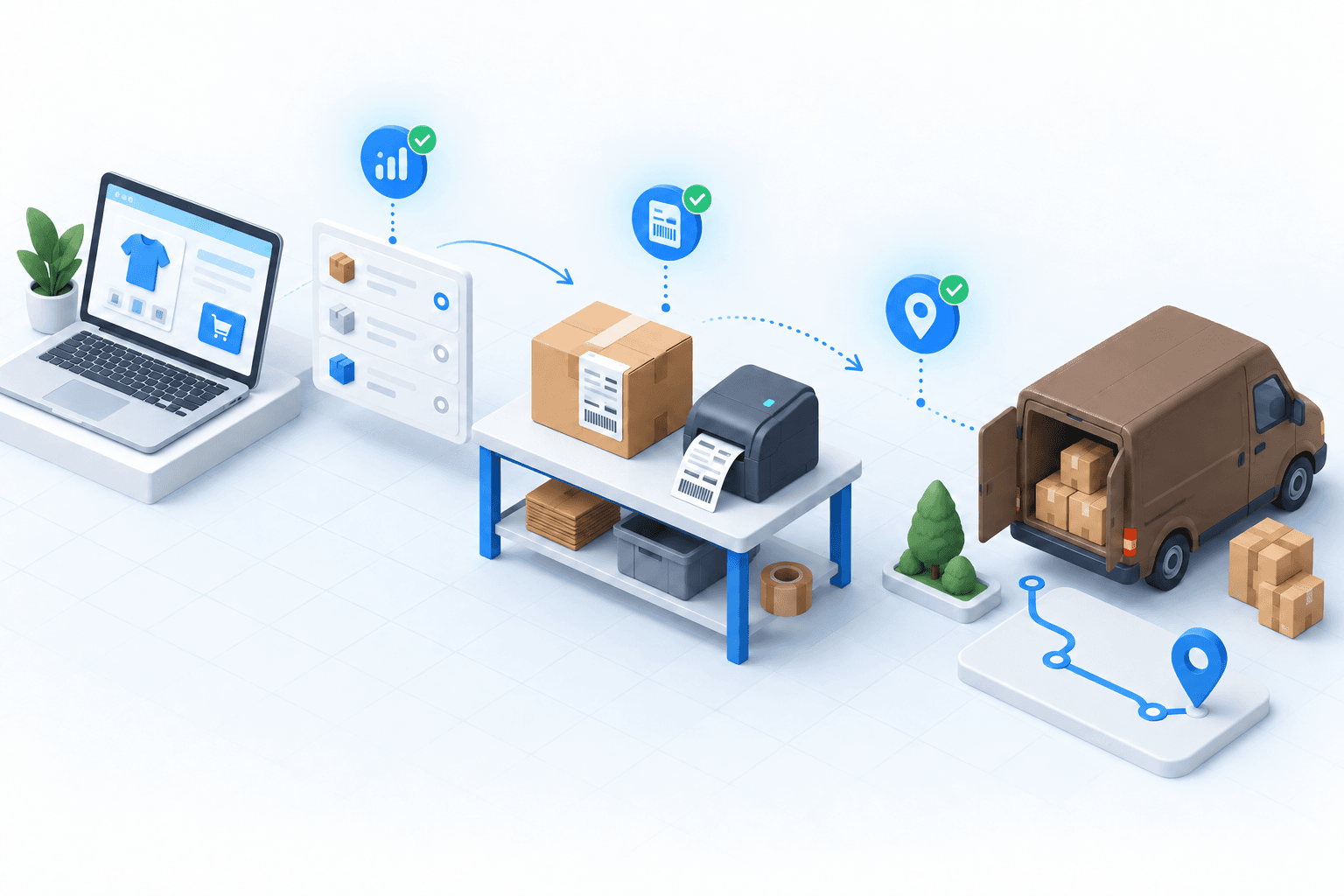
 PrestaShopPaid order
 FedExLabel and tracking
One electronics distributor processes more than 3,000 shipments a day with FedEx among several carriers. After centralizing the whole shipping workflow, its label-error rate fell from between 5% and 8% to under 1%, while the daily label task dropped from two hours to under ten minutes. These are whole-workflow results, not FedEx-only attribution.
Run the 20-minute acceptance test
Use one paid domestic order and one paid international order. If your checkout sells FedEx Hold at Location, use that as a third, fail-closed branch: no location identifier in the imported order means the option does not launch. Keep the same order references throughout.
In the first five minutes, wait for both orders in the chosen system. Check the PrestaShop reference, payment state, delivery method, items, address, and store. A missing or altered field stops the test before FedEx.
During minutes five to ten, request a FedEx quote for a controlled parcel and record the returned service and negotiated account rate. This is the rate proof only. During minutes ten to fifteen, create each label separately. Check the service, address, format, tracking number, and the international customs fields.
Use the final five minutes in PrestaShop. The configured shipped status must appear with the same tracking number created for the label. A quote without a label points to shipment data or service scope. A correct label without PrestaShop tracking points to the confirmation handoff.
- 1PrestaShop orderOrder number and delivery method presentCheck in PrestaShop
- 2Parcel checkItems and quantities validatedCheck at the packing station
- 3FedEx shipmentLabel and tracking number createdCheck in the FedEx account
- 4Tracking sync back to PrestaShopOrder marked as fulfilledCheck in PrestaShop
Fix the first missing proof, then rerun the same orders. Passing a later check never cancels an earlier failure.
Choose an OMS/WMS when shipping is no longer store-local
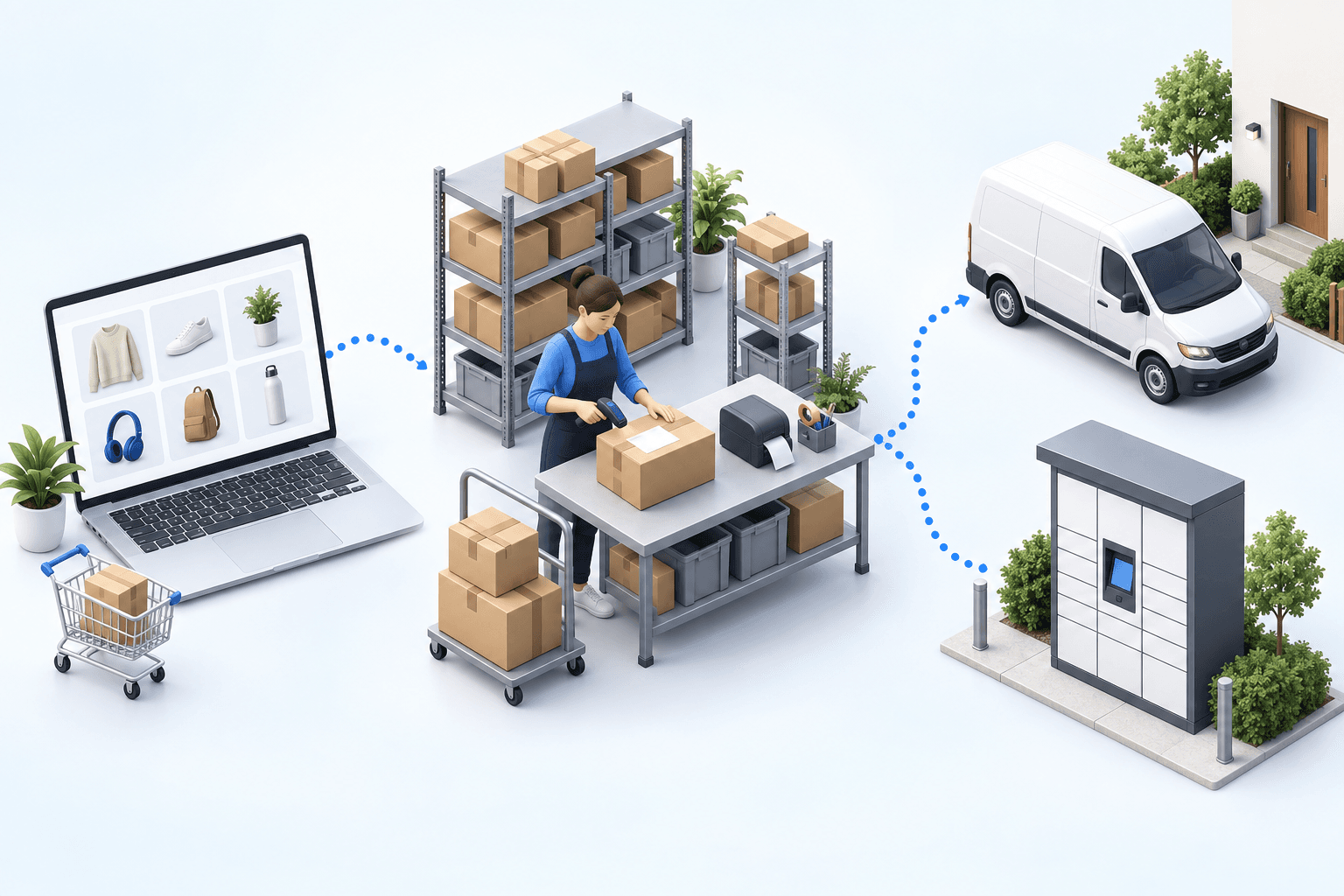
A store module remains the lightest answer for one shop and a small service set. A shipping platform is the middle ground when the main job is producing labels across carriers.
myFulfillment becomes relevant when several stores or marketplaces feed one queue, several warehouses can fulfill an order, or transport rules must be applied consistently. The OMS owns the order flow and PrestaShop status return; the WMS owns picking, packing, and parcel control.
If you also operate another storefront and carrier pair, the Shopify × DPD decision guide uses the same proof-by-handoff method. For pair-specific setup boundaries, use the PrestaShop integration and FedEx integration pages.
Frequently asked questions
PrestaShop uses the store URL and Webservice key, with a shop identifier where required. FedEx uses an API key, secret, environment, and account context. Test each connection separately.
No. Rates and labels use separate calls and acceptance criteria. Prove the quote first, then create a label with the same service, parcel, address, and account.
Only launch it after a test order preserves the FedEx location identifier through import and label creation. Otherwise, keep Hold at Location out of scope.
Use an OMS/WMS when several channels, warehouses, or transport rules need one order queue, controlled packing, and consistent status and tracking updates back to PrestaShop.
Continue exploring
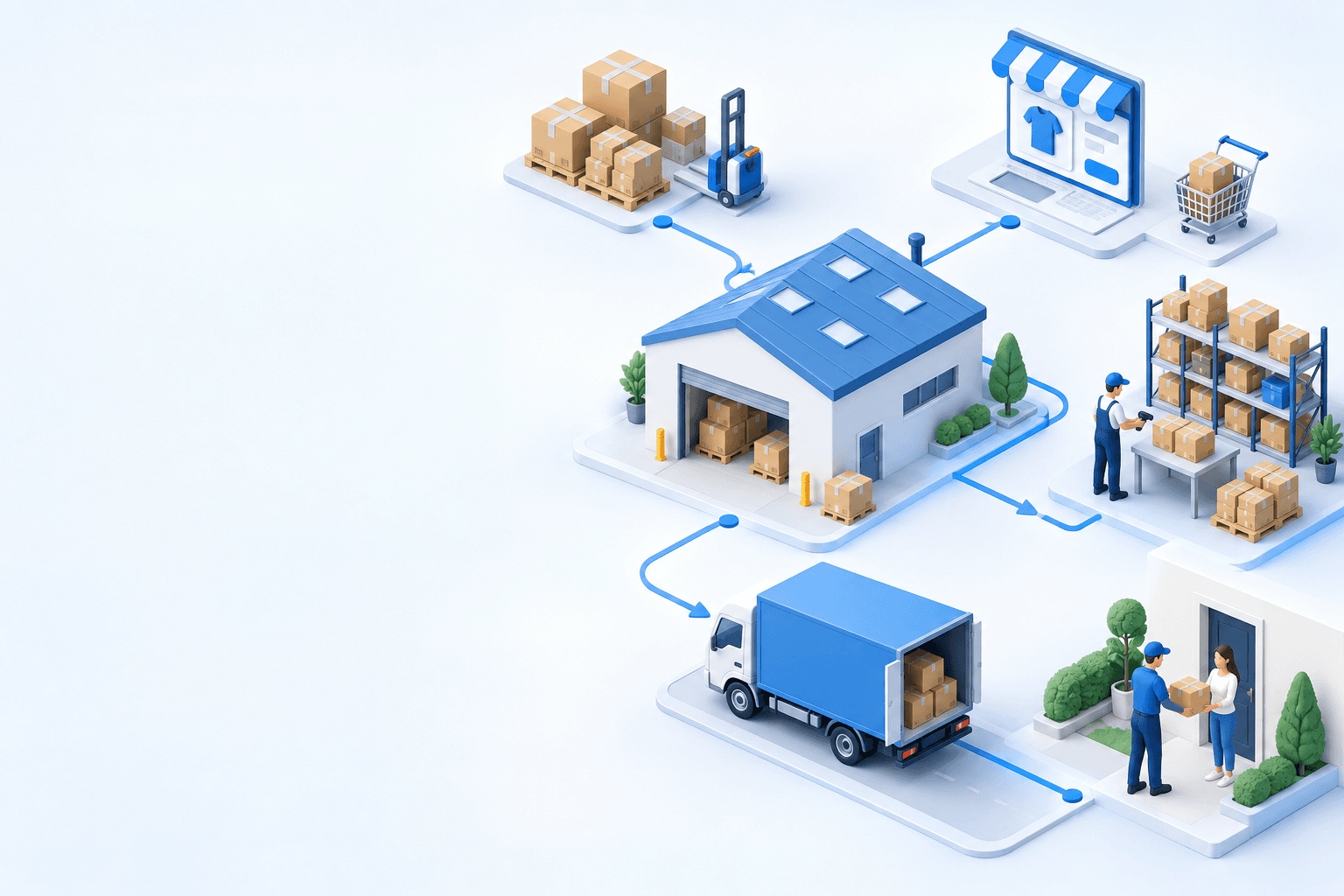

Stock availability, picking accuracy, and shipping times affect marketplace sales. Jonathan Coloma, COO of Repiauto, explains how his team went from 300 to 1,000 orders a day in two years. He describes the limits of paper-based work, ERPs built for different needs, a go-live estimate of fifteen days, and changes to his daily routine.

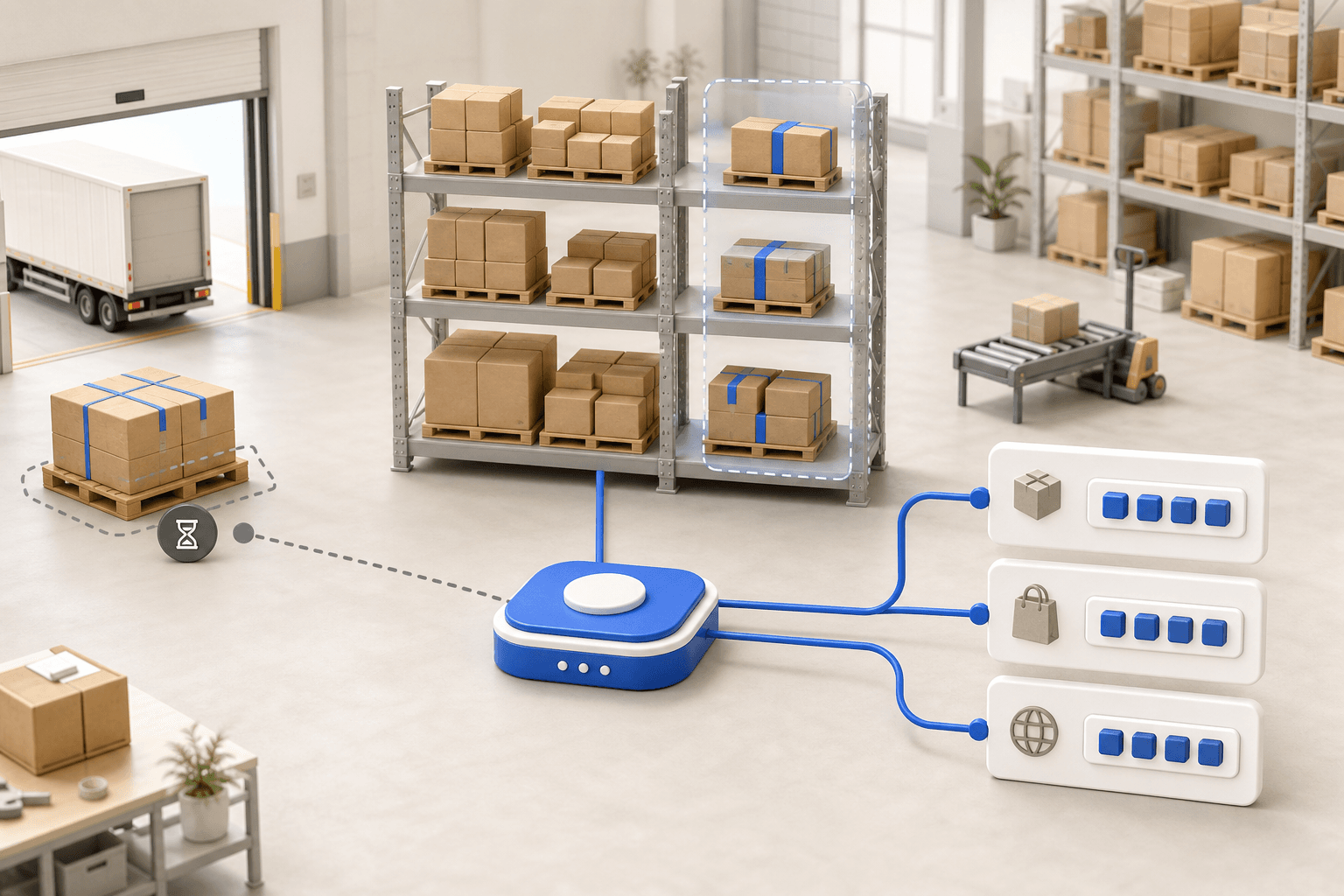
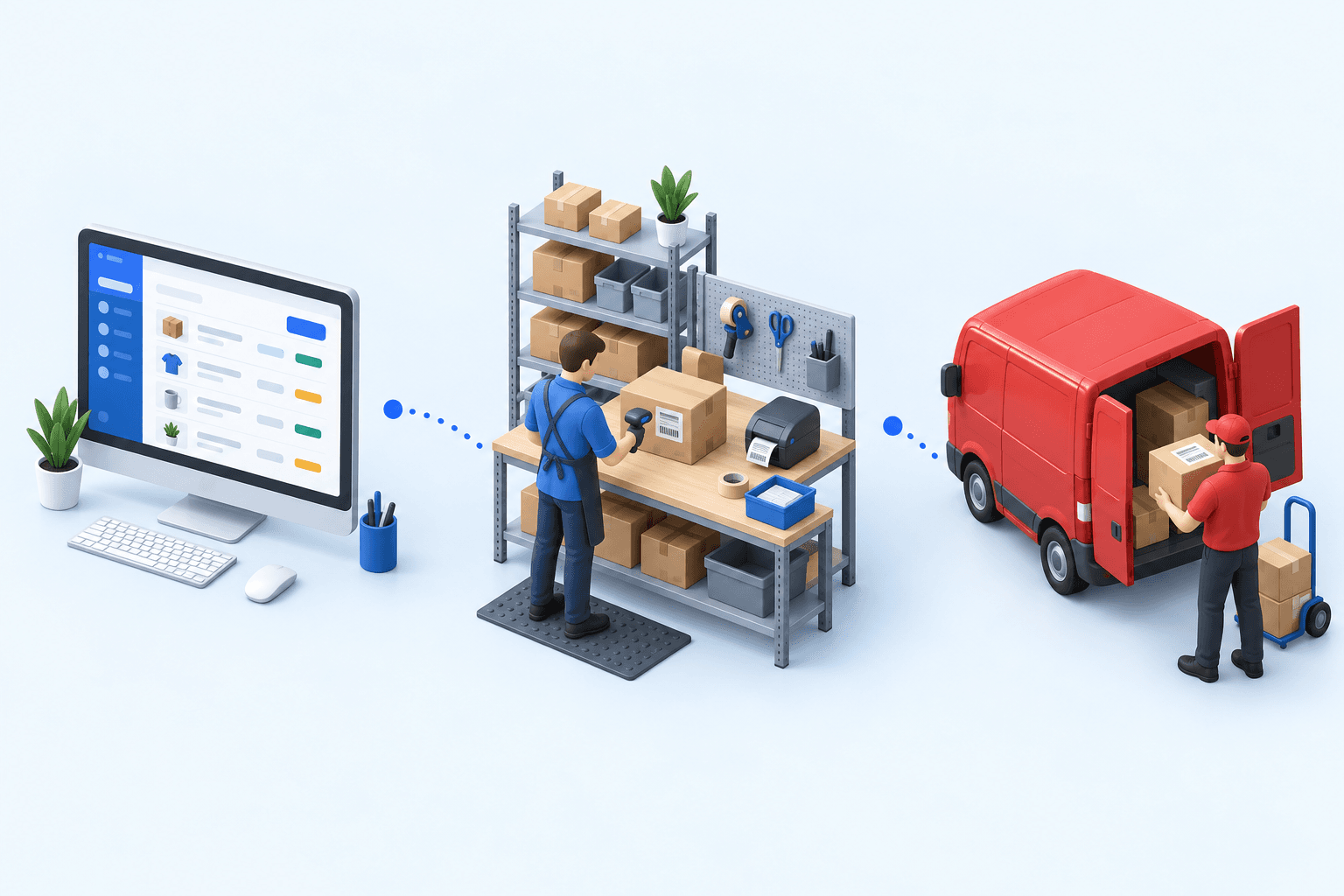
To hold up under peak volume, split the order queue into waves based on real operating constraints, then decide where barcode checks belong. At the packing bench, the operator verifies the parcel. Carrier rules select the service and print the label, so the next order can start without another decision.

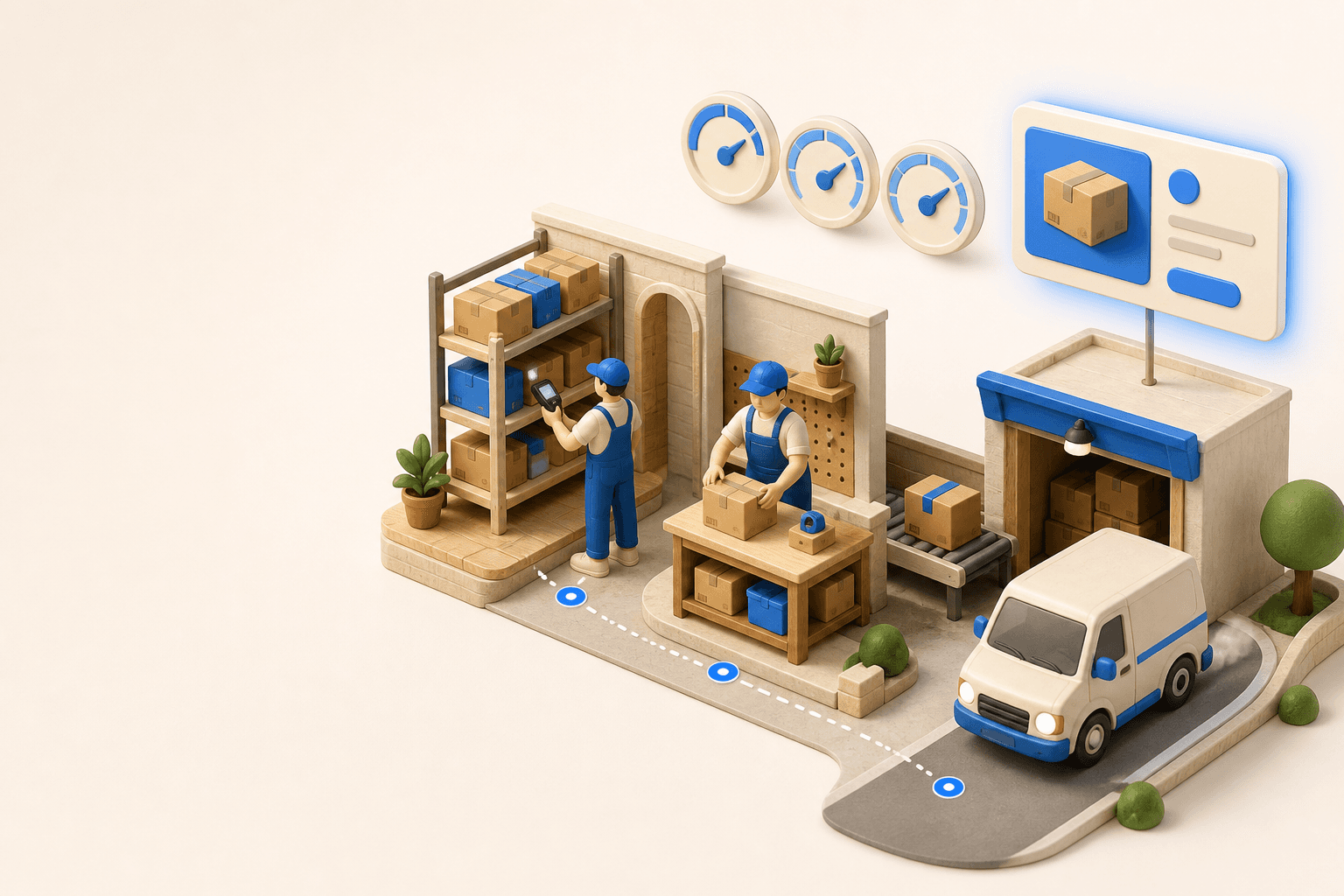
Industrializing your purchasing means ordering on rules, not guesswork: at the right time (the reorder point), in the right quantity (your coverage period), from the right supplier, with a purchase order validated in one click. Available on replay.






See it in your own operations
Book a 20-minute call. We'll map your workflow and point out where it breaks. No slides.
Free 20-min call · No commitment