
AI is driving more sales. Can your logistics keep up?
A well-interpreted search reveals what customers want, even without a sale. This Boostmyshop × Venture.ia replay shows how Findy turns that signal into conversions, then how Boostmyshop reserves stock and opens its data to Héhocom so picking and delivery can keep up with order growth.



The essentials
- Across the sites he works with, Florian Vilotta puts overall conversion at 1.5% to 5%, versus 15% to 40% after a visitor uses search; he cautions that the gap depends on catalog and traffic.
- A frequent search with no stock or no result is a demand signal: it complements past sales when deciding what to replenish, remove from search or allocate to a channel.
- David Butin often places the need for a tool at around 30 to 50 orders a day: it is a reference point, not a threshold. Below that, double selling and picking errors already carry a cost.
- For Jean Marc Joubert, a business operating hair salons and selling professional hair products, the website and its Findy search from Venture.ia generate searches and sales; Boostmyshop centralizes orders, stock and shipments across several warehouses; Héhocom brings sales, stock and logistics together in one management dashboard.
Slides and checklist
The session slides and a one-page checklist to review your own workflow.
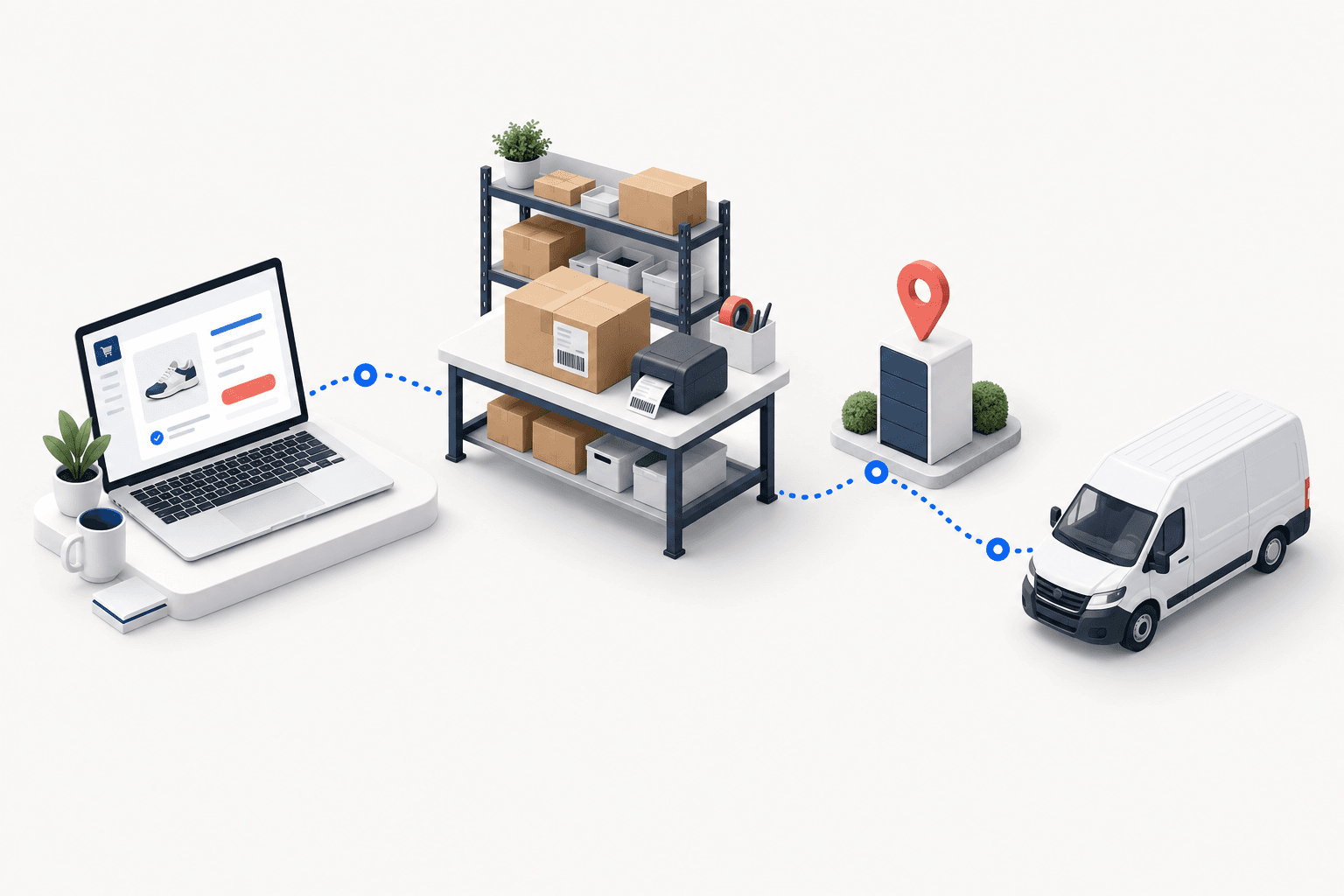
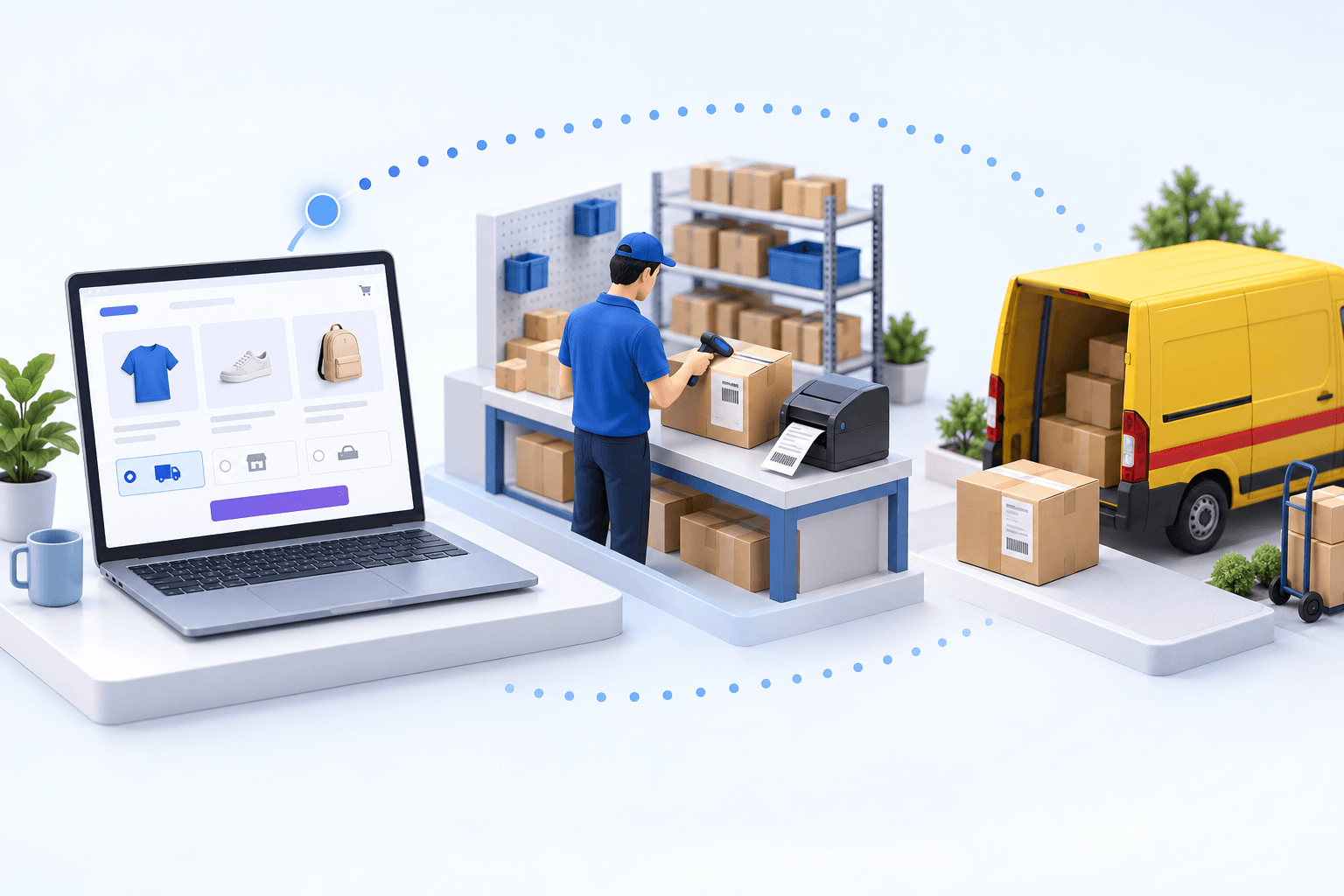
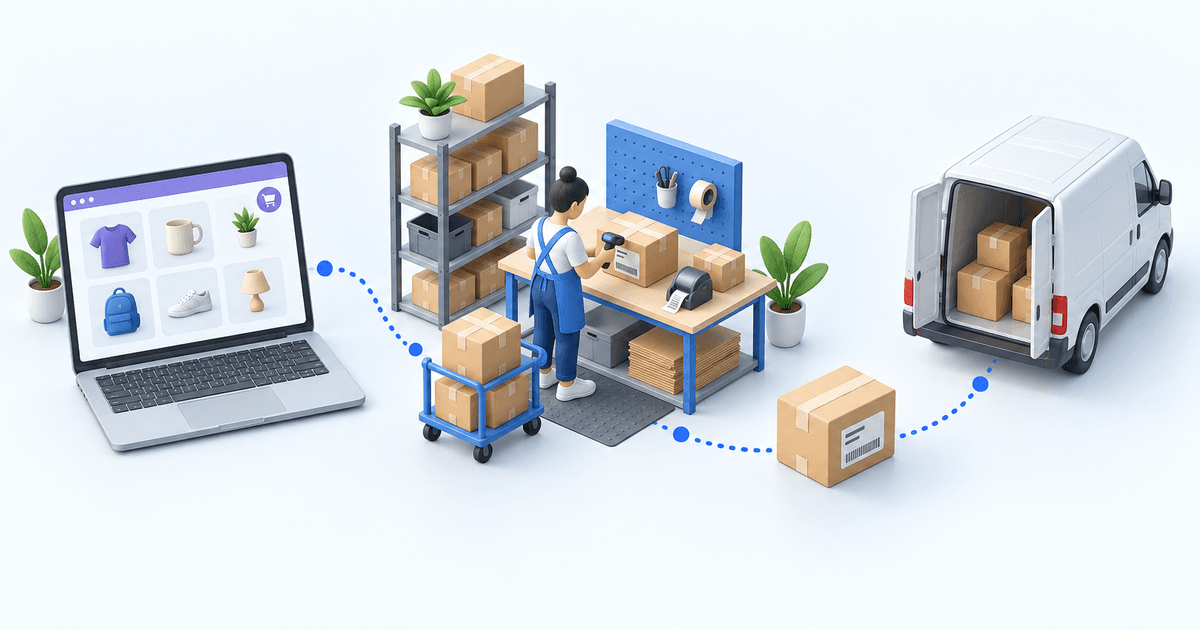
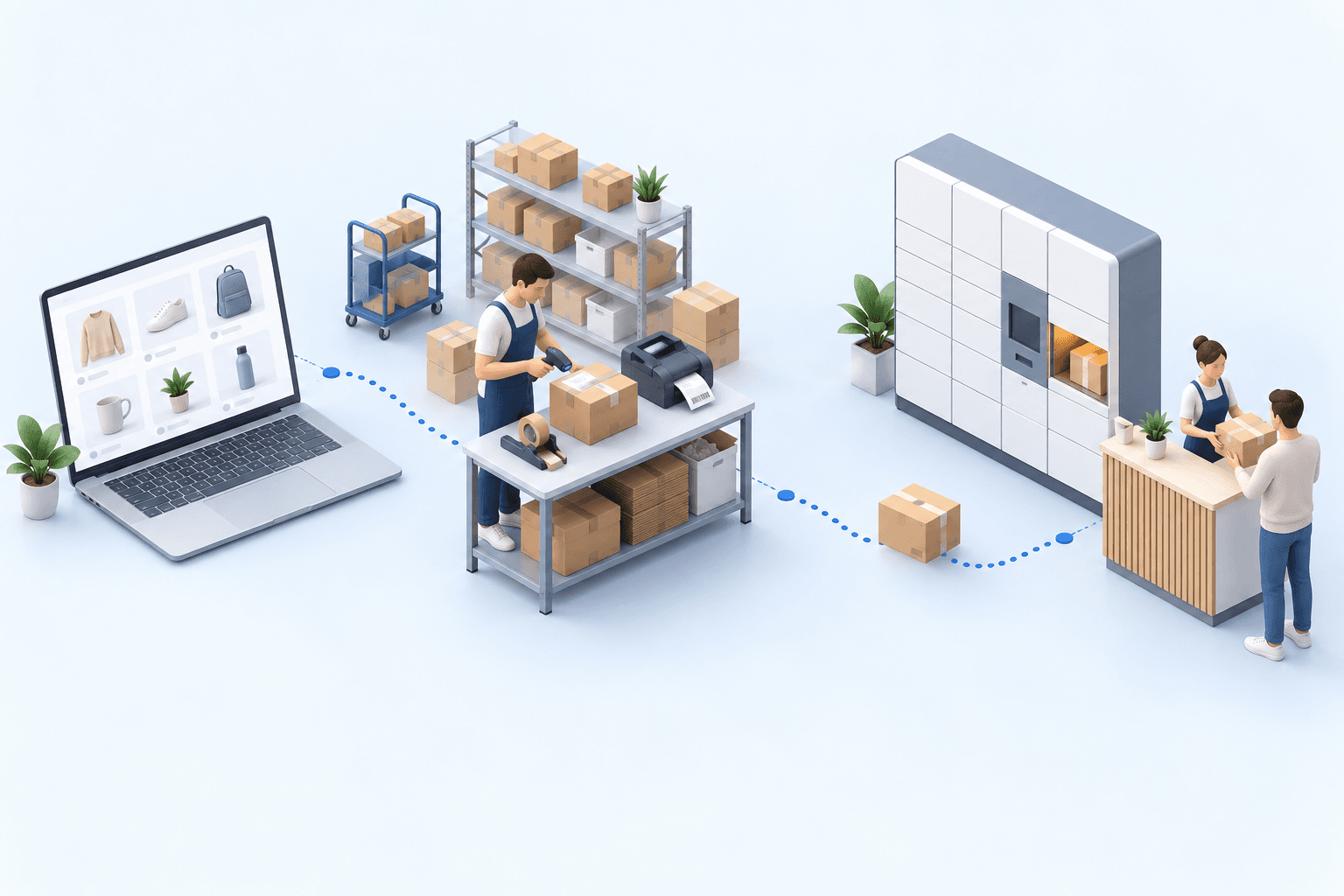
A sale won through site search only matters if the item can still be reserved, picked and delivered. The journey must remain continuous: understand intent, publish sellable stock, process the order and meet the promise. The replay follows that chain, then answers the technical questions in the FAQ.
Turn search into a demand signal
Across the e-commerce sites he works with, Florian Vilotta puts the overall conversion rate between 1.5% and 5%. When visitors use search, he reports a range of 15% to 40%. This is not a universal average: a large catalog does not have the same journey or needs as a one-page site selling three products.
Search becomes useful when it interprets intent instead of matching an exact string. It recognizes synonyms, tolerates typos and asks a question when the need is still ambiguous. On some catalog-heavy sites supported by Héhocom, up to 70% of visitors use this entry point. The share naturally falls in practice when the choice is limited.
- Intentquery, synonyms, unmet need
- Sellable stockphysical stock minus reserved and blocked units
- Order preparationcomplete order, picking and checks
- Promise metdispatch, reviews and repeat purchase
The most valuable signal is not always a sale. A no-result query reveals a missing, badly named or hard-to-find product. High search activity followed by few purchases can point to an offer, stock, price or presentation problem. Before buying more, read the context: a campaign concentrated on one product can explain the spike.
The analysis combines query volume, click-through rate, add-to-cart activity and conversion. It also compares like-for-like periods: data from a promotional week cannot be read like data from an ordinary month. That discipline turns search into a recurring monthly meeting between marketing, purchasing and operations, with an owner and a decision attached to every useful signal.
Use searches and sales to make decisions
Sales history stops measuring demand during a stockout because the item can no longer be bought. Searches fill part of that gap. Combined with sales and remaining sellable stock, they support three simple decisions: stop promoting an item that will stay unavailable, replenish an item that is heavily searched but nearly depleted, or move stock toward the channel where demand appears.
This analysis still depends on the sellable-stock calculation. Physical stock is not enough: units already ordered or blocked are no longer for sale. For Jean Marc Joubert, a business operating hair salons and selling professional hair products, Florian credits Findy with "roughly 25% growth in revenue through the search bar." The wording is his, and the result belongs to that case.
The caveat matters as much as the figure. A poorly configured model displays the wrong data. It must learn from the merchant’s expertise because the vendor cannot know the merchant’s hair routines, trade vocabulary or reasons for seasonality as the merchant does. Insights reviewed each month therefore do not replace the team’s analysis.
Help the warehouse handle the sales volume
Once a conversion is secured, the priority changes. David often places the need for a tool at around 30 to 50 orders a day: it is a reference point, not a threshold. Below that, double selling and picking errors already carry a cost. The mechanism does not change: reserve every unit as soon as the order is imported so it cannot be sold again on another channel.
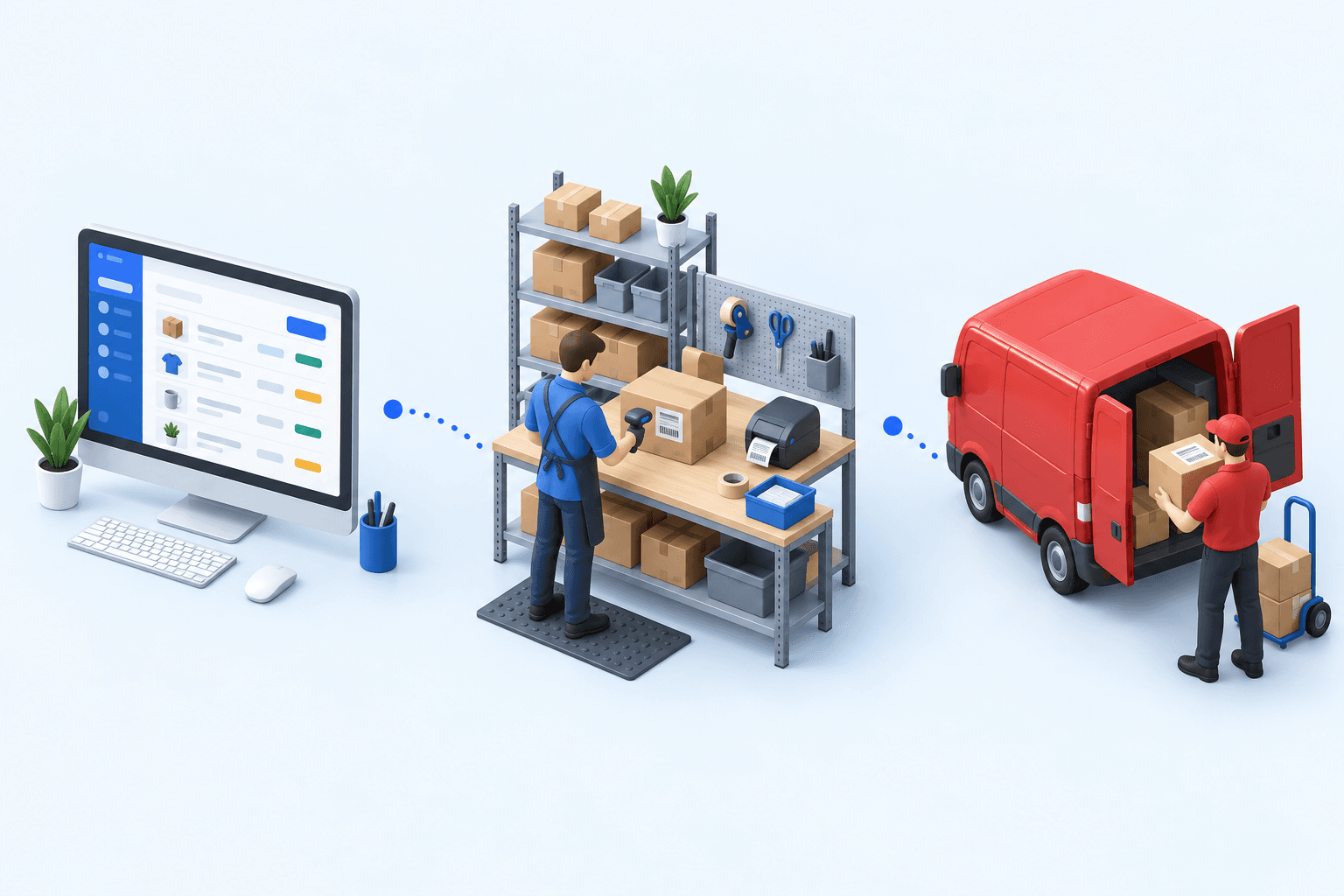
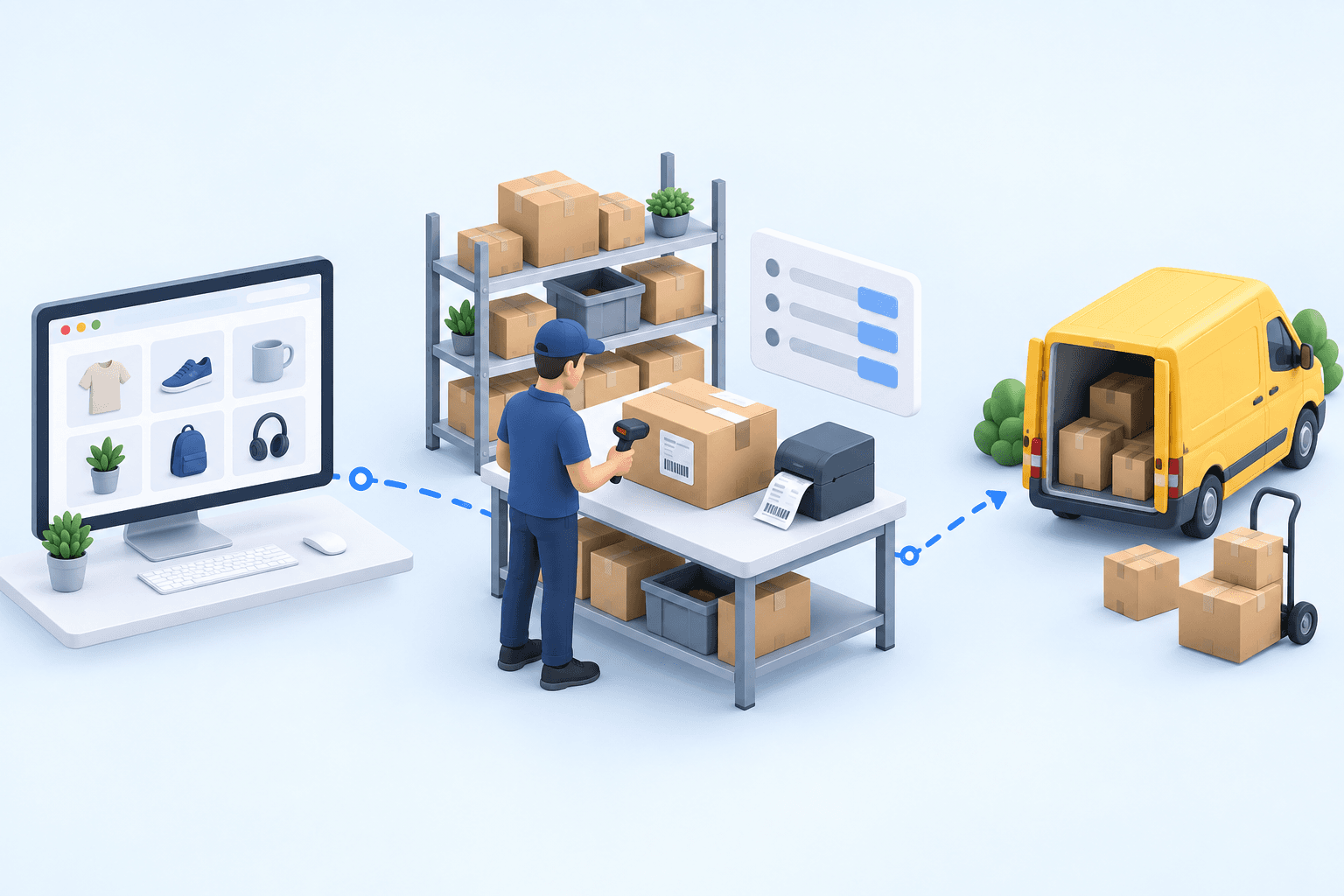
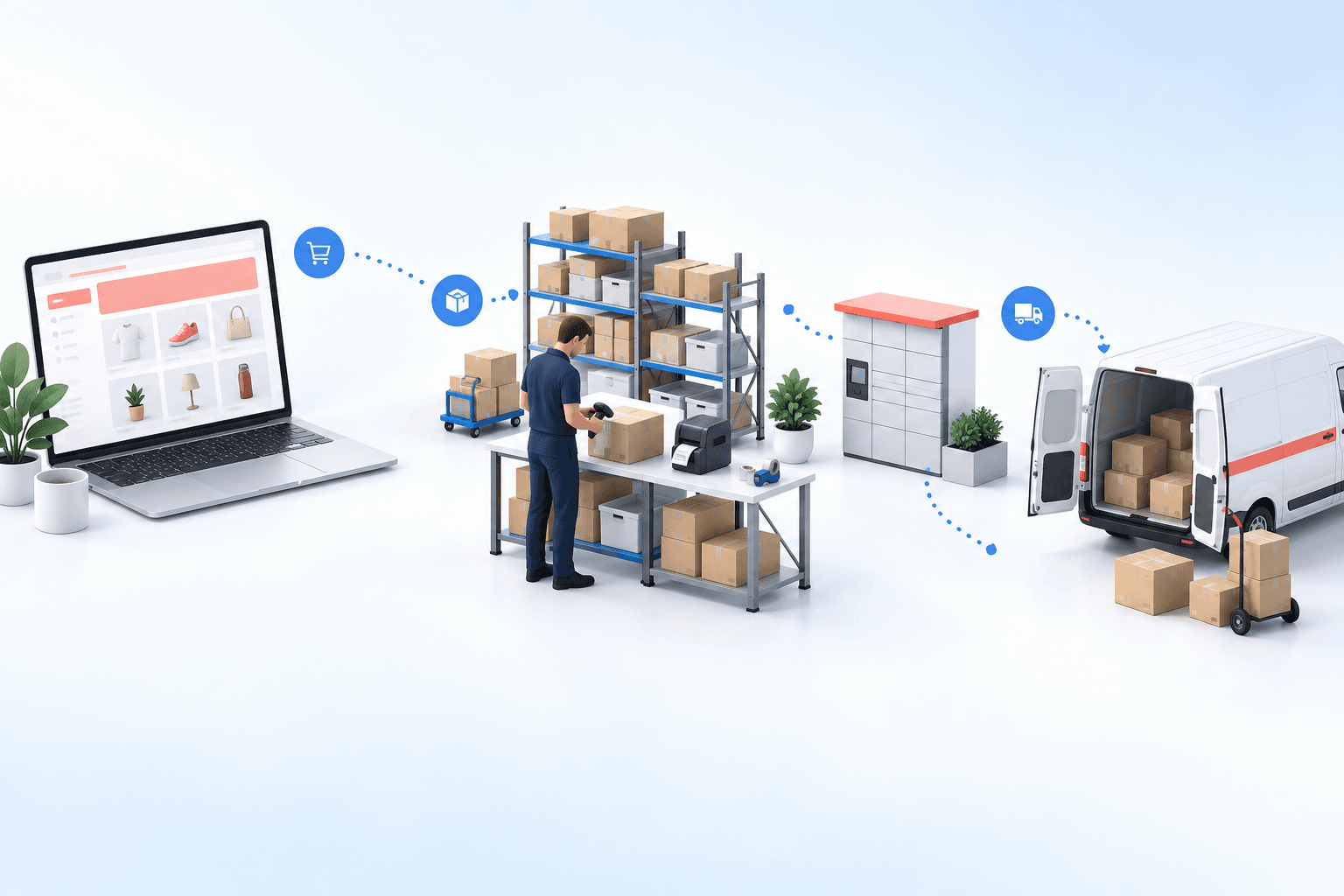
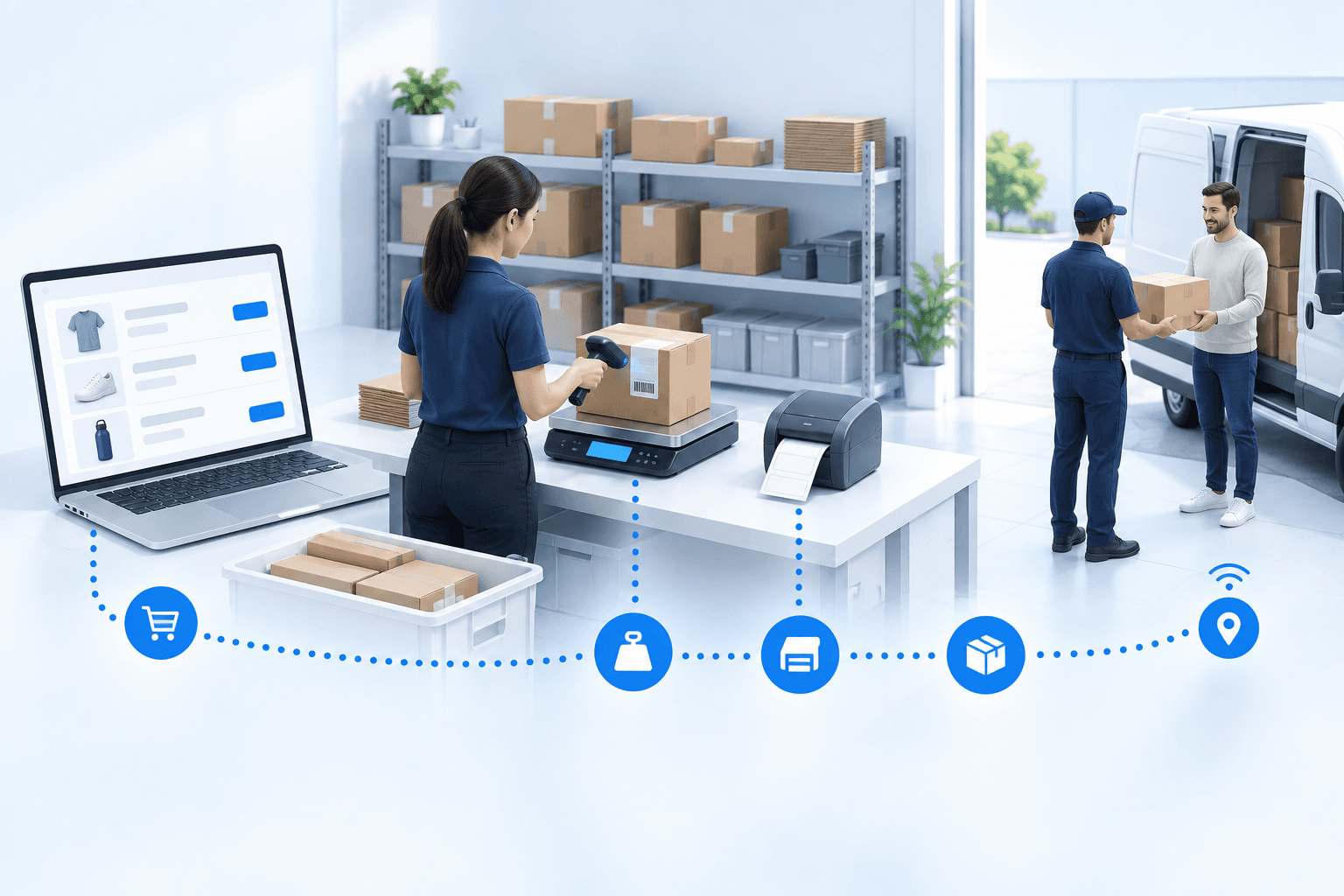
Picking then starts from orders that can actually ship. Waves group orders by constraints, the picking flow guides item collection, packing checks the contents, and the carrier label is produced without re-entry. The detailed methods belong in the order-picking guide; the replay shows why a complete order should not be held up by a partial one.
Synchronization speed matters especially across channels. A unit sold on the website but still published on a marketplace creates a second sale that cannot be fulfilled. Reservation must therefore happen before the next available-stock export, while "in stock," "partial," "out of stock" and "blocked" statuses separate orders ready to ship from exceptions.
Execution protects more than the deadline. An error or delay results in a support request, a return and a negative review. Those traces in turn become signals for AI engines assessing the merchant’s reputation. Acquisition, logistics and repeat purchase therefore form one service loop.
Connect the site, operations and management view
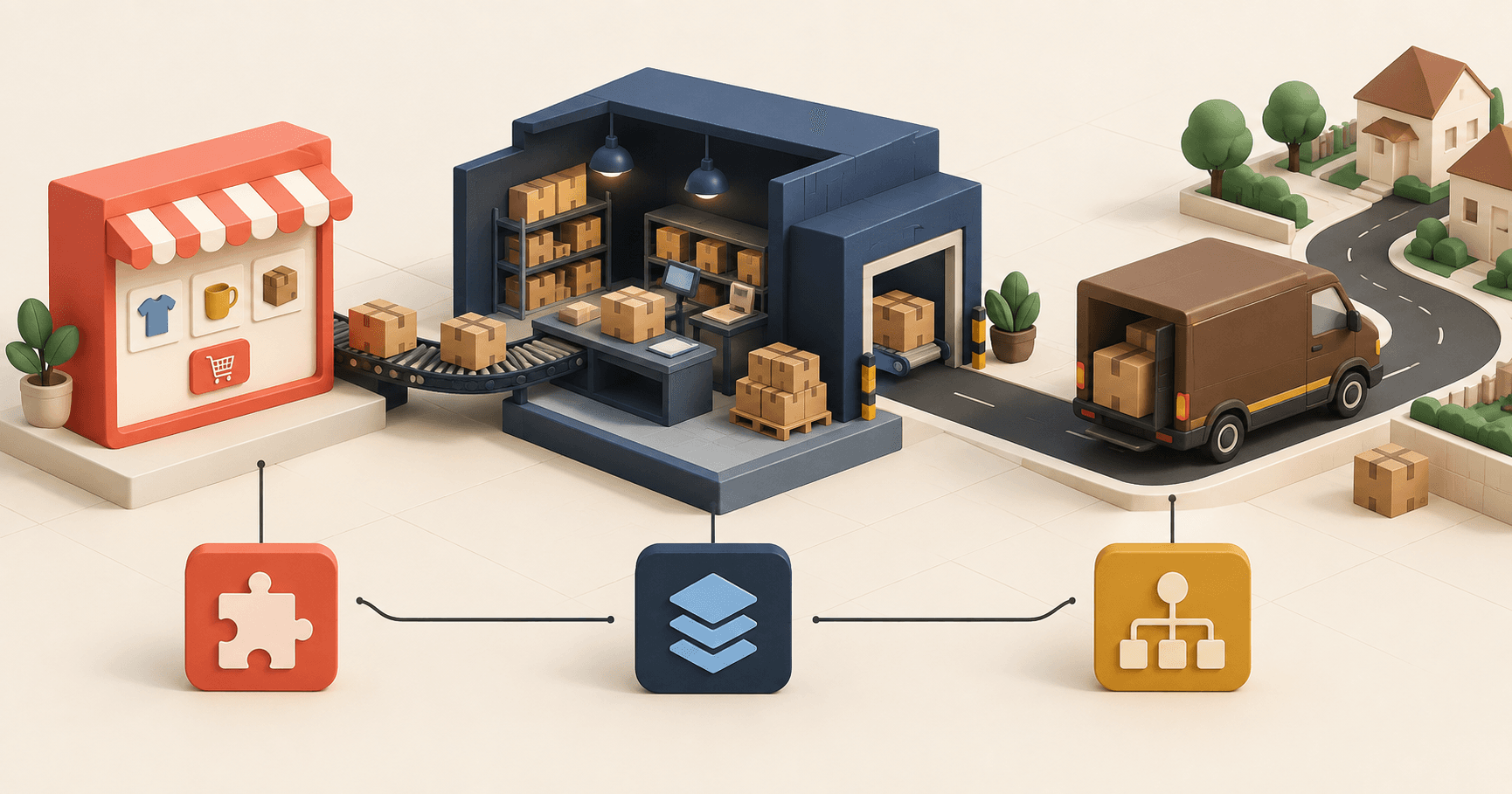
The shared case brings the three companies together without blurring their roles. At Jean Marc Joubert, Héhocom has supported the company for more than five years. Boostmyshop was integrated about three and a half years ago, followed by Findy more than a year ago: the company was one of Findy's first clients. The website and its Findy search from Venture.ia generate searches and sales; Boostmyshop centralizes orders, stock and shipments across several warehouses; Héhocom brings sales, stock and logistics together in one management dashboard.
APIs make the connection. For Jean Marc Joubert, a dedicated order-tracking page was developed on the Boostmyshop API. An authorized tool can ask where an order is, whether it is in a wave, whether it will leave today or whether the item is available. An assistant can then answer based on the operation’s actual state, not on a generic sentence. Order management remains the execution system; interfaces use its data.
This openness does not mean uncontrolled access. Every connection inherits a user’s permissions, keys remain secret and volumes must be monitored. The live session stresses a current risk: an AI-assisted development tool can publish a key in code if the team does not review what it deploys.
The endorsement comes from the partner: Florian says Héhocom relies heavily on Boostmyshop "because it works very well." He also makes the limitations clear. A conversational integration discussed live was still in progress, specific cases sometimes require custom development, and AI receives only part of the context unless someone configures it. API permissions, secret keys and volume monitoring remain human responsibilities.
The goal is therefore not more AI everywhere. It is a clear chain: search reveals demand, the team chooses the action, stock is reserved, the warehouse executes and the customer receives reliable information.
Frequently asked questions
Context matters more than a universal benchmark. Across the sites he supports, Florian Vilotta sees 1.5% to 5% for the overall journey and 15% to 40% after search use. Compare the same traffic before and after each change.
Handle intent, synonyms and typos, then measure clicks, add-to-cart actions and purchases. Findy adds a conversational step to clarify the need. The merchant must supply trade vocabulary: without that context, the model gives less relevant answers.
Yes. Even low volume shows the words people use, missing products and unmet requests. Florian recommends comparing those searches with the catalog and sales. A small sample does not prove a trend, but it tells you what to check.
Combine sales, searches and sellable stock. Sales measure what was sold; searches preserve a signal when the item is unavailable. Replenish a requested product, stop promoting a product that will remain out of stock and reserve every order across all channels.
The need arises as soon as double selling or picking errors cost more than the time saved by handling orders manually. David Butin often places it at around 30 to 50 orders a day, a reference point that depends on picking, carriers and channels.
Florian Vilotta says Findy’s technical installation takes under an hour through APIs, followed by support for the requirements and display adaptations. That timing covers the main platforms discussed live, not an untested custom integration.
Use an account with only the required permissions, keep keys secret and monitor volume. An AI or coding tool must never publish the key in its code. Boostmyshop applies user rights and permissions to its APIs. With the Boostmyshop MCP server, the connection goes through a Boostmyshop page, and your AI assistant is limited to the connector user's permissions.
Continue exploring

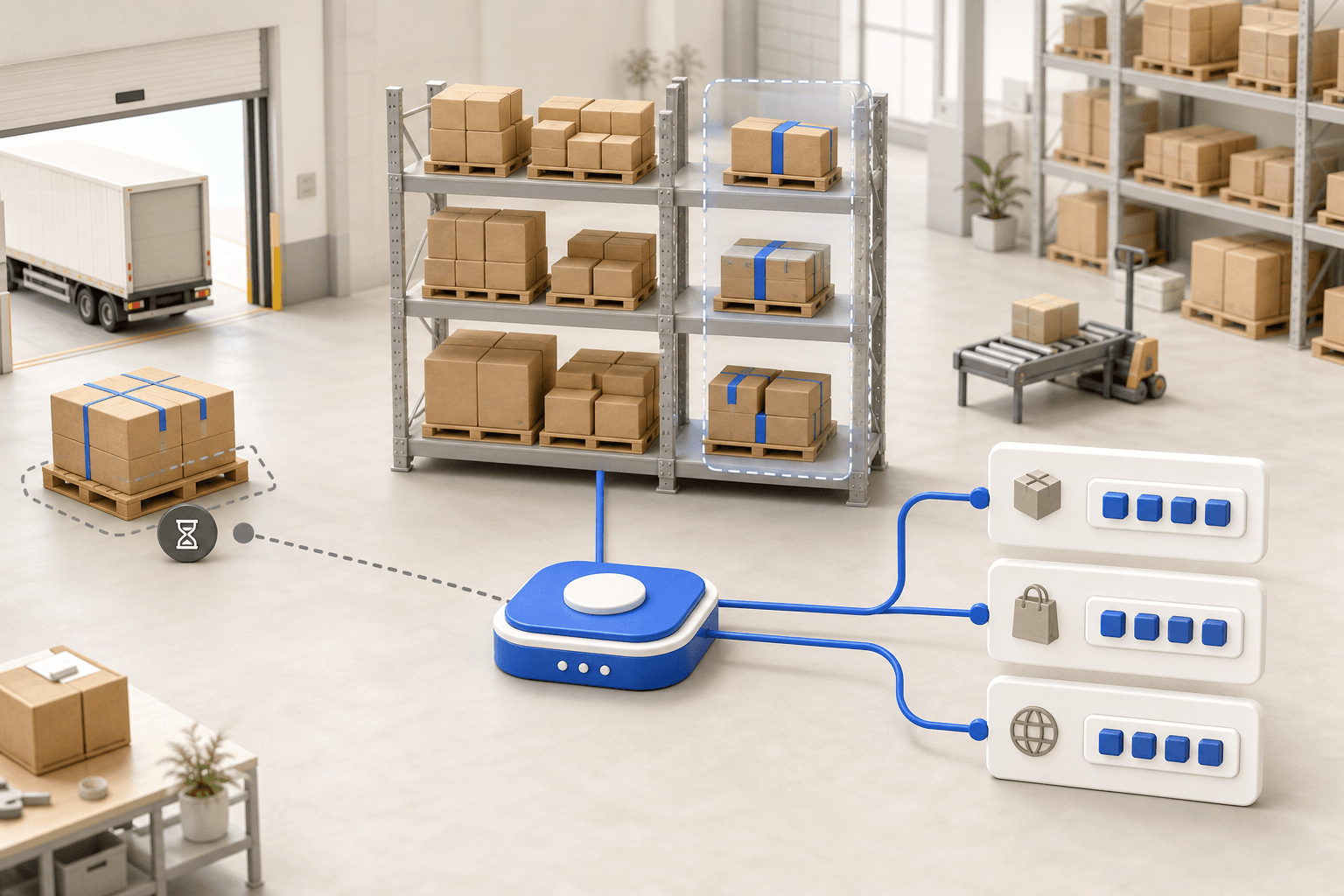


Stock availability, picking accuracy, and shipping times affect marketplace sales. Jonathan Coloma, COO of Repiauto, explains how his team went from 300 to 1,000 orders a day in two years. He describes the limits of paper-based work, ERPs built for different needs, a go-live estimate of fifteen days, and changes to his daily routine.
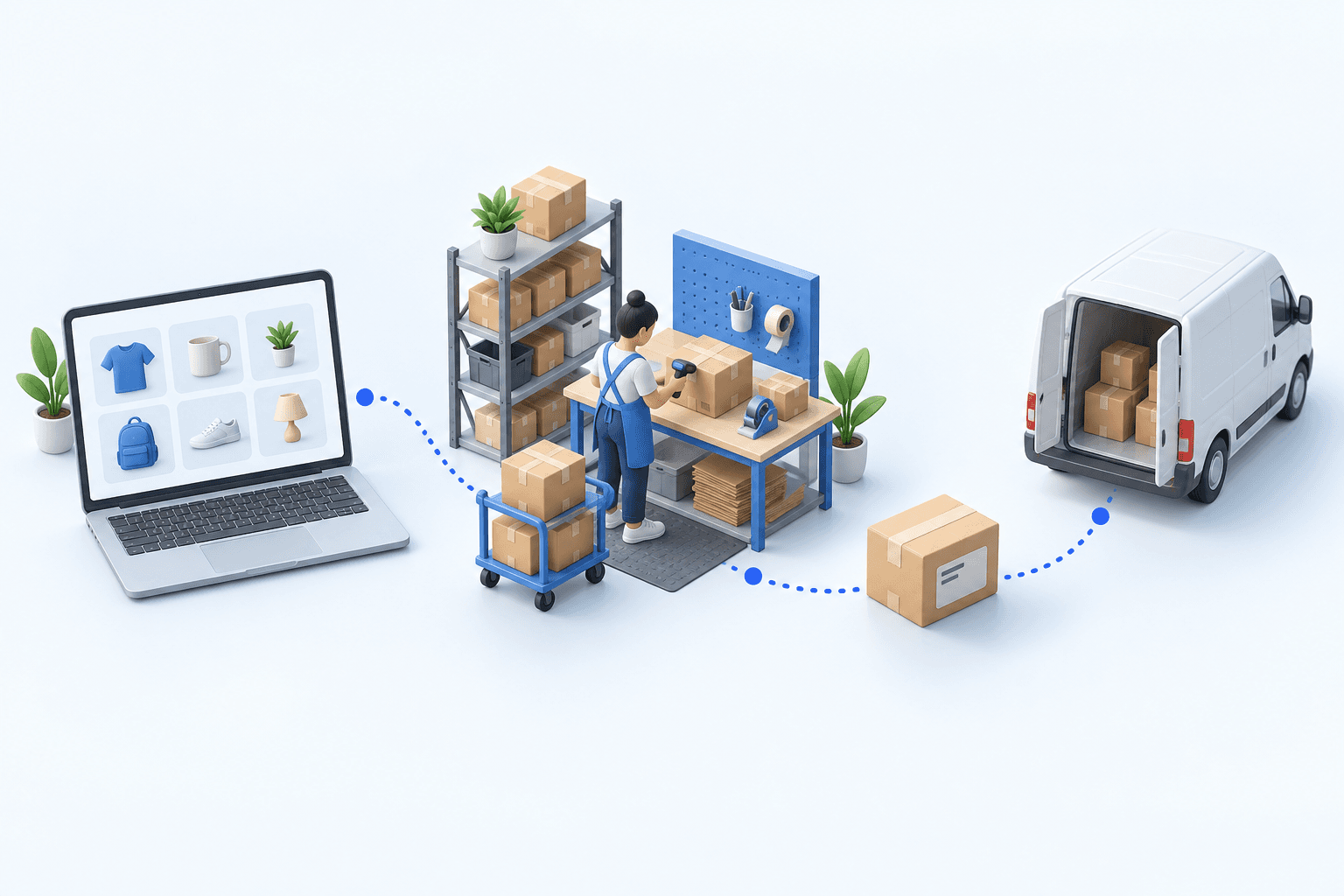
To hold up under peak volume, split the order queue into waves based on real operating constraints, then decide where barcode checks belong. At the packing bench, the operator verifies the parcel. Carrier rules select the service and print the label, so the next order can start without another decision.

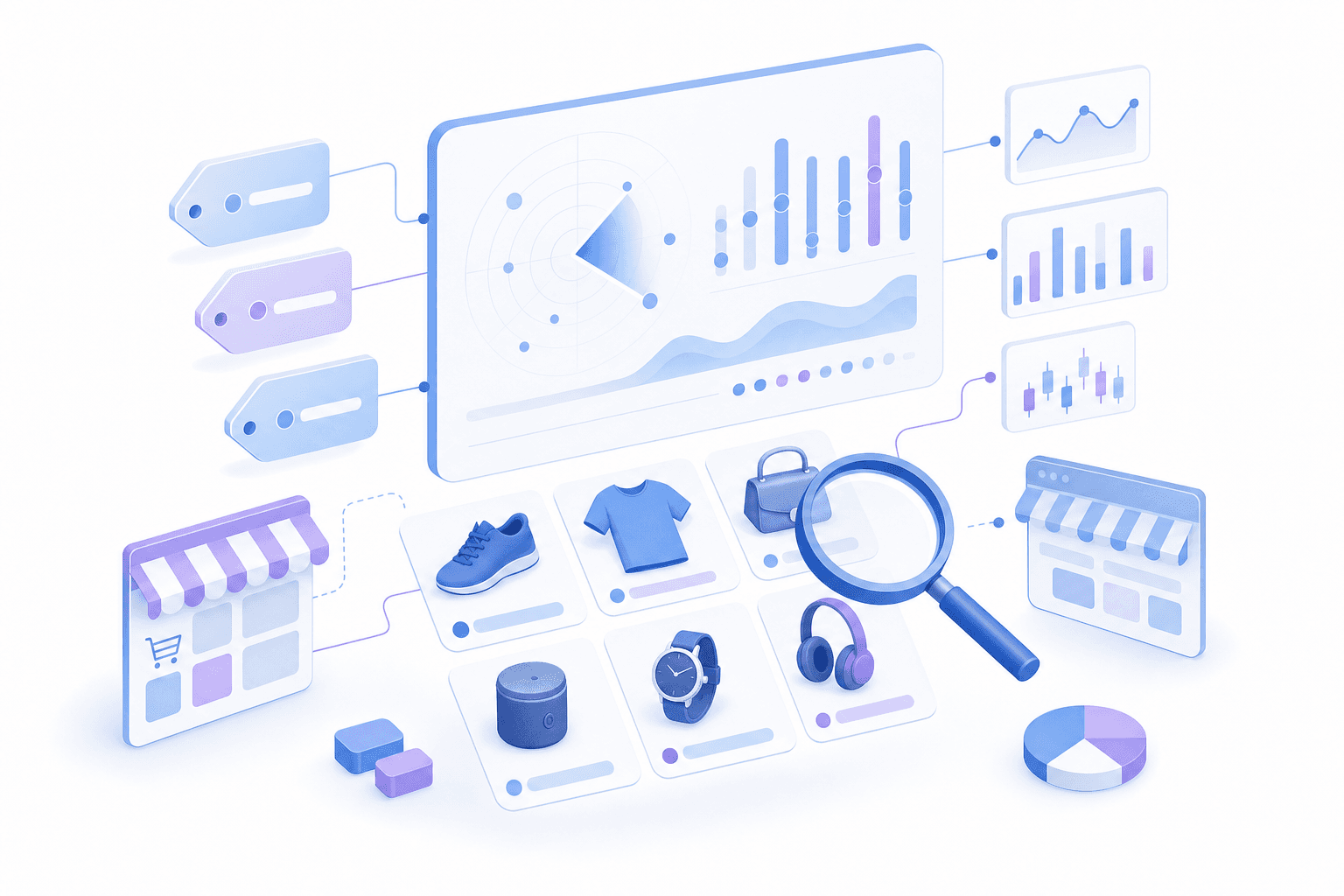
Industrializing your purchasing means ordering on rules, not guesswork: at the right time (the reorder point), in the right quantity (your coverage period), from the right supplier, with a purchase order validated in one click. Available on replay.



















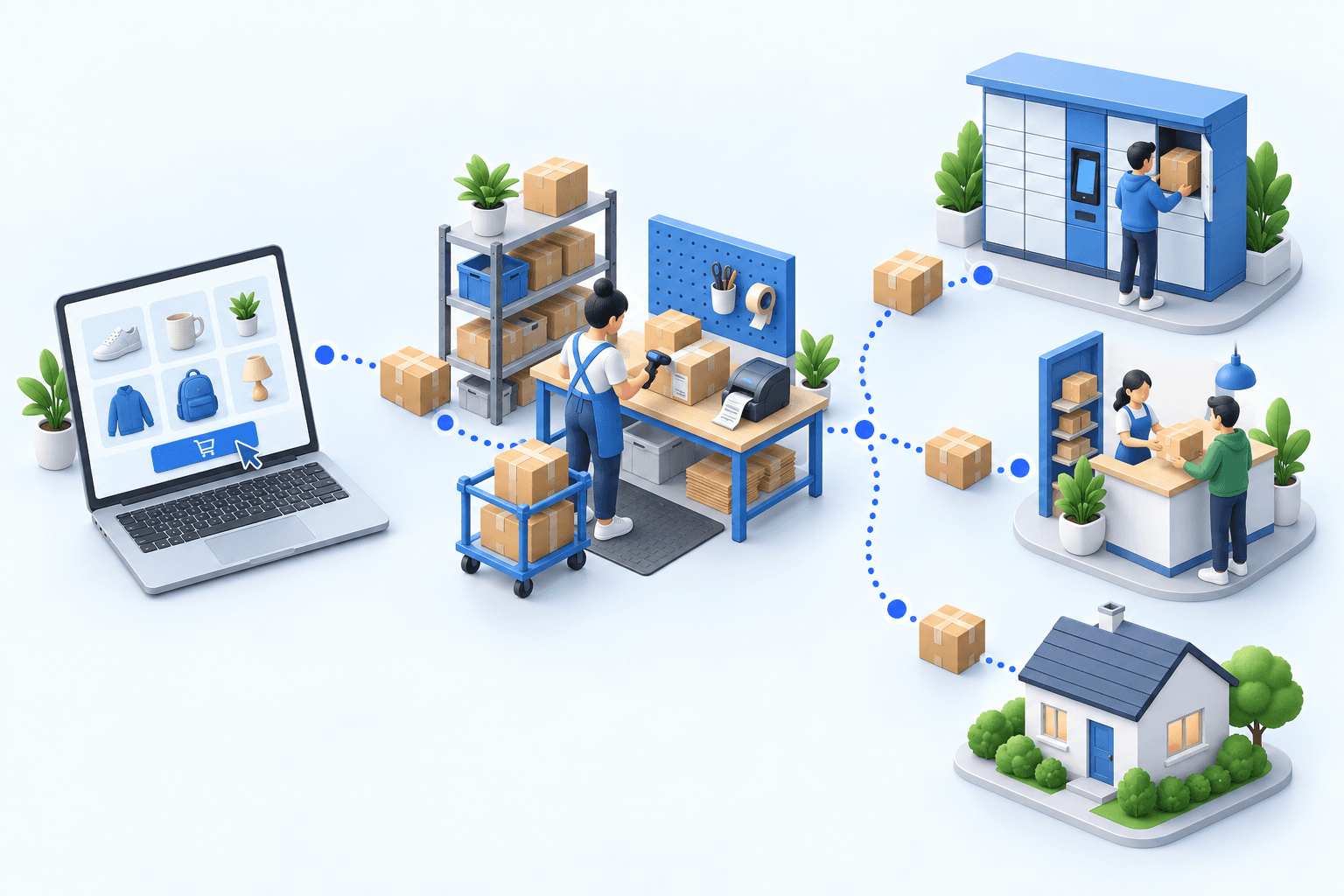



On December 16, set up a project with instructions and reference documents, then produce a Monday operations brief from an export with no customer data. You will leave with the workspace and a record of the requests that work for you. The live session is in French; the replay and training materials will be available in English.
On January 20, find out in five minutes who already uses which AI tools, prepare a one-hour awareness session and get two volunteers started. You will leave with the outline for that session, a plan for the volunteers and three rules covering company tools, a fixed-price subscription and customer data.
On March 31, compare your project with its baseline for time and errors, and work out what it costs. Decide what to scale, what to stop and when to reduce review. You will leave with a before-and-after comparison, a 90-day plan, the method on one page and the outline of your next project.
On February 17, score 10 tasks for operational pain, difficulty and whether the result can be checked. For each one, decide whether it needs a setting, your AI assistant or a process change, or whether it can wait. You will choose one verifiable task and record its baseline with 5 timed cases and the previous month’s errors.
On March 3, decide what your AI assistant reads, what it prepares, what it must not change and who approves. You will leave with the connection map for your project: the sources, a dedicated read-only account to start and the person responsible for approval.
A successful migration does not replace everything at once. It starts by deciding what to keep, replace or connect, then sequences each move around the work people actually do. On December 10, Boostmyshop and Dedi Agency will map those choices from the storefront to day-to-day operations.
AI still feels like a black box when teams do not know what it actually does. On November 25, David Butin will draw on lessons from three years of using AI at Boostmyshop. He will answer a broad question: where do you start if you want to explore AI, get your organization moving and bring your team along? He will explain, without jargon, what an AI assistant can and cannot do and why critical thinking still matters. The practical perspective will come from e-commerce business leaders at the roundtable, including Arnaud Darsonval of La Ferme de Sainte-Marthe. The live session will be in French. The replay and training materials will be available in English, so English speakers can register.
On March 17, complete the inventory of AI use across your team, give each AI assistant its own account and choose between a subscription and usage-based billing. You will leave with a one-page AI policy and a test to check whether an internal tool is still open on the web.
On February 3, start from a risk-free exercise: the Monday operations brief from step two or your volunteers’ task. Write it down exactly as the team performs it, add three concrete checks and test the result on known cases. You will leave with a tested procedure: its instructions, its checks, a column for discrepancies and around ten cases whose answers you already know.
Let’s review your order workflow
In 20 minutes, we’ll identify bottlenecks and ways to save time. No slides.
Free 20-min call · No commitment