
Are your operations holding back marketplace sales?
Stock availability, picking accuracy, and shipping times affect marketplace sales. Jonathan Coloma, COO of Repiauto, explains how his team went from 300 to 1,000 orders a day in two years. He describes the limits of paper-based work, ERPs built for different needs, a go-live estimate of fifteen days, and changes to his daily routine.

The essentials
- Jonathan (Repiauto) called 300 orders a day "what you might call a psychological threshold": in practice, at 200, handling orders on paper already meant hiring, stress and mistakes.
- The ERPs Repiauto consulted did not meet its need to order, receive, pick, and ship within four hours.
- Repiauto: Close to 80% of orders contain one item and go straight to the packing bench. The others are picked once all their items are available.
- Two on-site visits freed up time for 100-200 more orders. Jonathan’s rule at Repiauto: a tool you do not use is expensive from the outset.
The checklist
A one-page checklist to review your own workflow, branch by branch.
"We were packing parcels out in the street. It was a mess." Jonathan Coloma, COO and co-founder of Repiauto, is blunt about the warehouse he started with: 300 orders a day, purchases made from memory, supplier by supplier. Repiauto, 2026, 14:39.
Warehouse errors reduce marketplace visibility
Four warehouse problems directly affect sales: an undetected stockout makes the offer inactive and the product invisible; overselling leads to an order cancellation and lowers the seller rating; a picking error leads to a claim, a return and a negative review; a late shipment breaks the promise and costs you the Buy Box.
- Undetected stockoutOffer goes inactive. The product turns invisible.
- OversellingOrder canceled. The seller rating drops.
- Picking errorClaim, return, negative review.
- Late dispatchPromise broken. Buy Box lost.
Amazon explains in 2026 that an out-of-stock offer cannot become the Featured Offer. Shipping the correct item and meeting delivery dates improve its chances of selection.
Publish available stock and dispatch times the warehouse can meet. Track purchasing costs, handling costs, and the cost of errors when setting competitive prices. The host says manual handling is manageable at five orders a day: "I think you can do it very well." It starts to get difficult beyond "maybe" thirty or fifty orders. David Butin, 2026, 12:53.
Jonathan Coloma encountered three of these four problems at Repiauto. Repiauto, 2026, 14:39.
At Repiauto, paper-based order handling became a burden at 200 orders a day
Jonathan and his business partner founded Repiauto in late 2019, with the launch planned for just before lockdown. Jonathan had a background in auto parts and e-commerce at very large organizations, spotted a gap in this product category, and started on marketplaces because they are "a quick way to bring in orders." Repiauto, 2026, 14:39.
He describes the blind spot of those early days without dressing it up: "when you are on your own, it means you run on paper, that you make mistakes, that you ship parts that can arrive broken, you don't even know what you paid for them." You are making sales, so you assume you are making money. The team reached 300 orders a day "with difficulty." He plays the number down himself: 300 was "what you might call a psychological threshold"; in practice, handling 200 orders that way already meant hiring, stress and mistakes. Repiauto, 2026, 18:48.
Repiauto needed to buy and ship within four hours
The hunt for a logistics ERP went nowhere. He called the established vendors, with one simple requirement: order a product, receive it, pick it and ship it, all within four hours. "They looked at us wide-eyed, like, this guy is completely mad." Repiauto, 2026, 14:39.
His verdict is blunt: the tools were well known and very expensive, with six-month to one-year projects built for "huge operations running several warehouses, not for e-commerce sellers, because e-commerce orders are urgent." Repiauto, 2026, 32:08.
On his first call with Olivier at Boostmyshop, he expected a year and was told fifteen days. His reaction: "this guy is worse than me." Go-live came with a hitch: a day or two of chaos and, since then, "quite a few adaptations." Repiauto, 2026, 14:39.
Follow the order from supplier purchase to shipment
The procurement process identifies the best place to buy based on shipping costs and Repiauto’s rules. It then checks availability: "thanks to myFulfillment we are also plugged straight into the stock of all our suppliers." One or two people place orders all day, and automating those purchases via API was still in progress. Repiauto, 2026, 25:25.
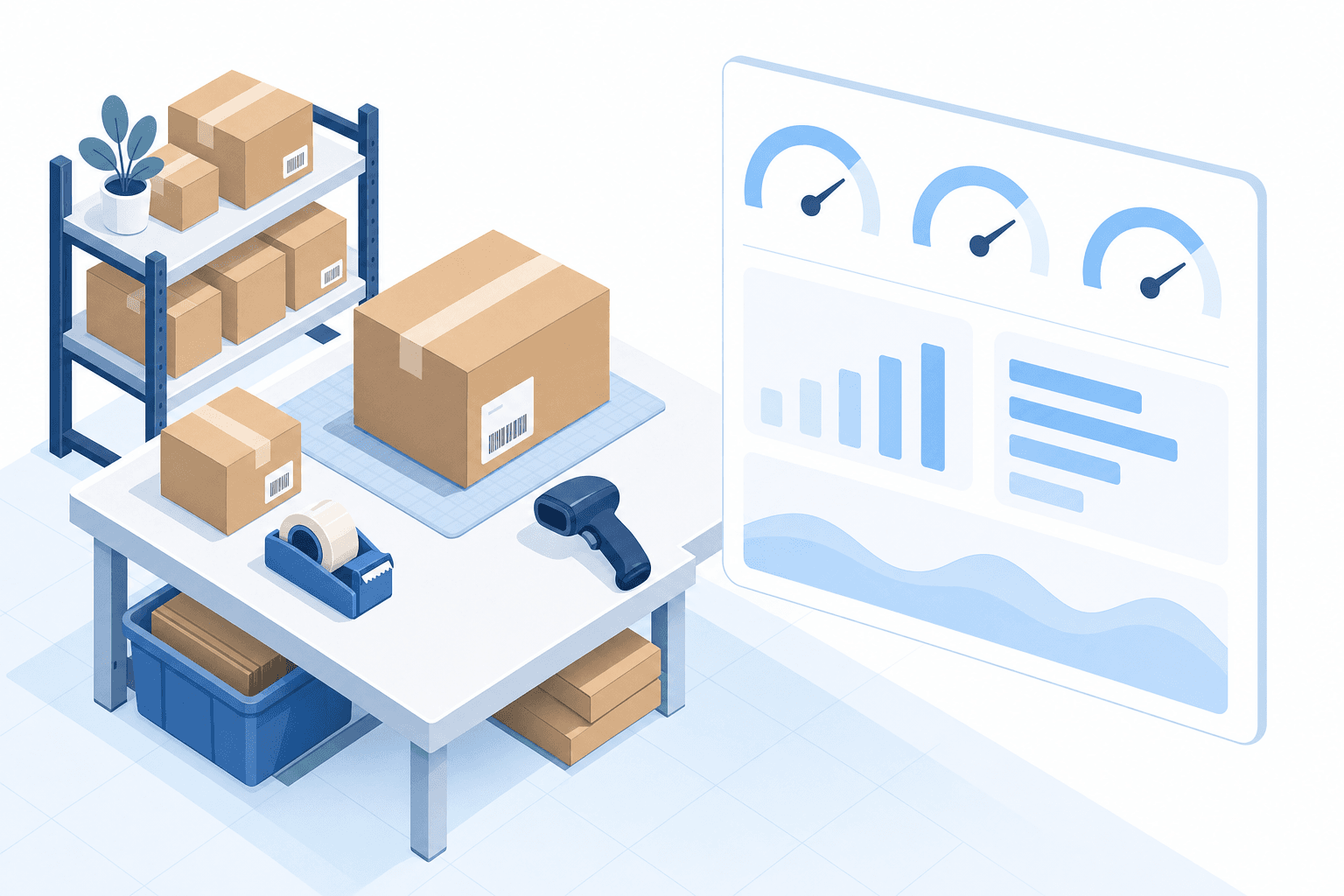
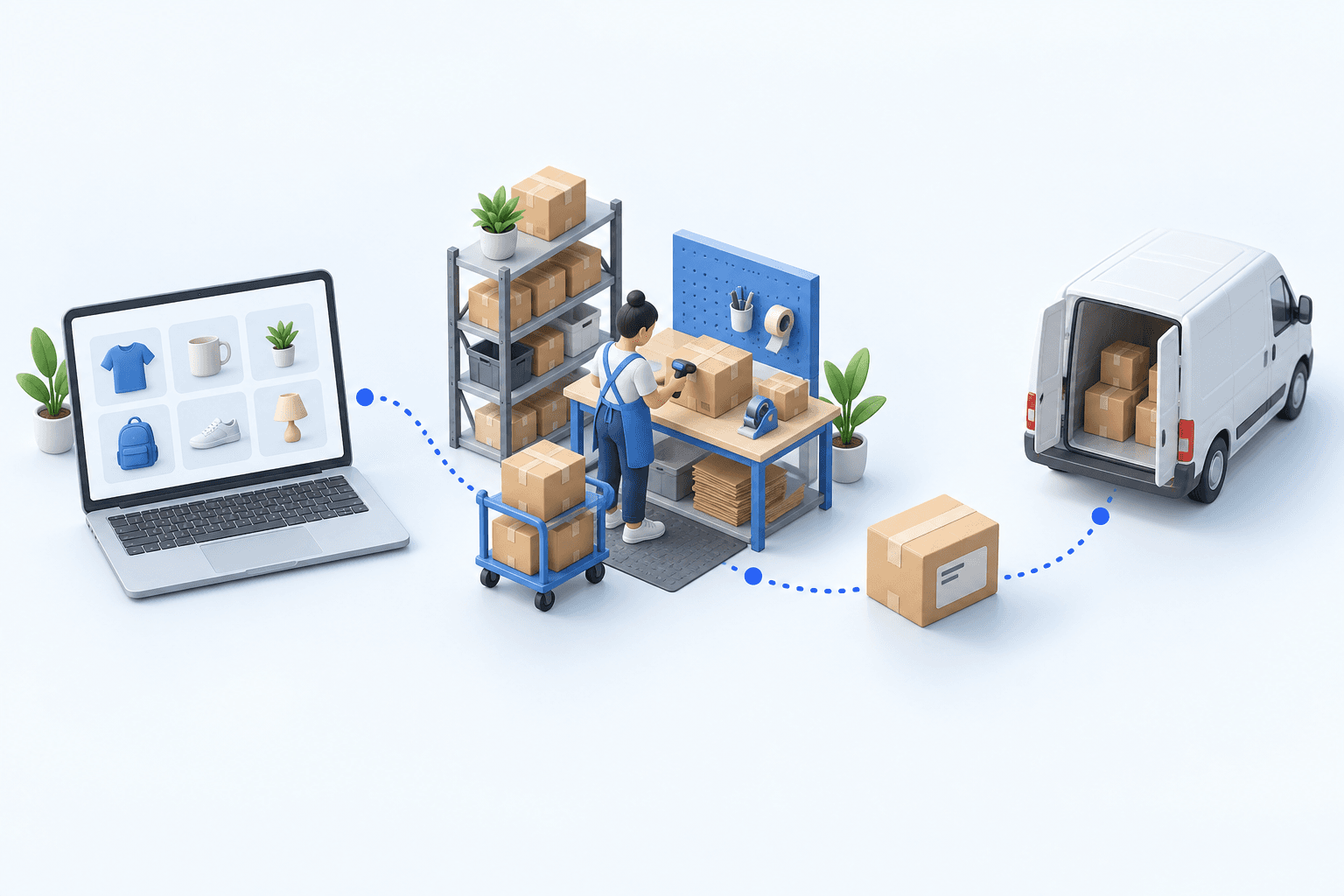
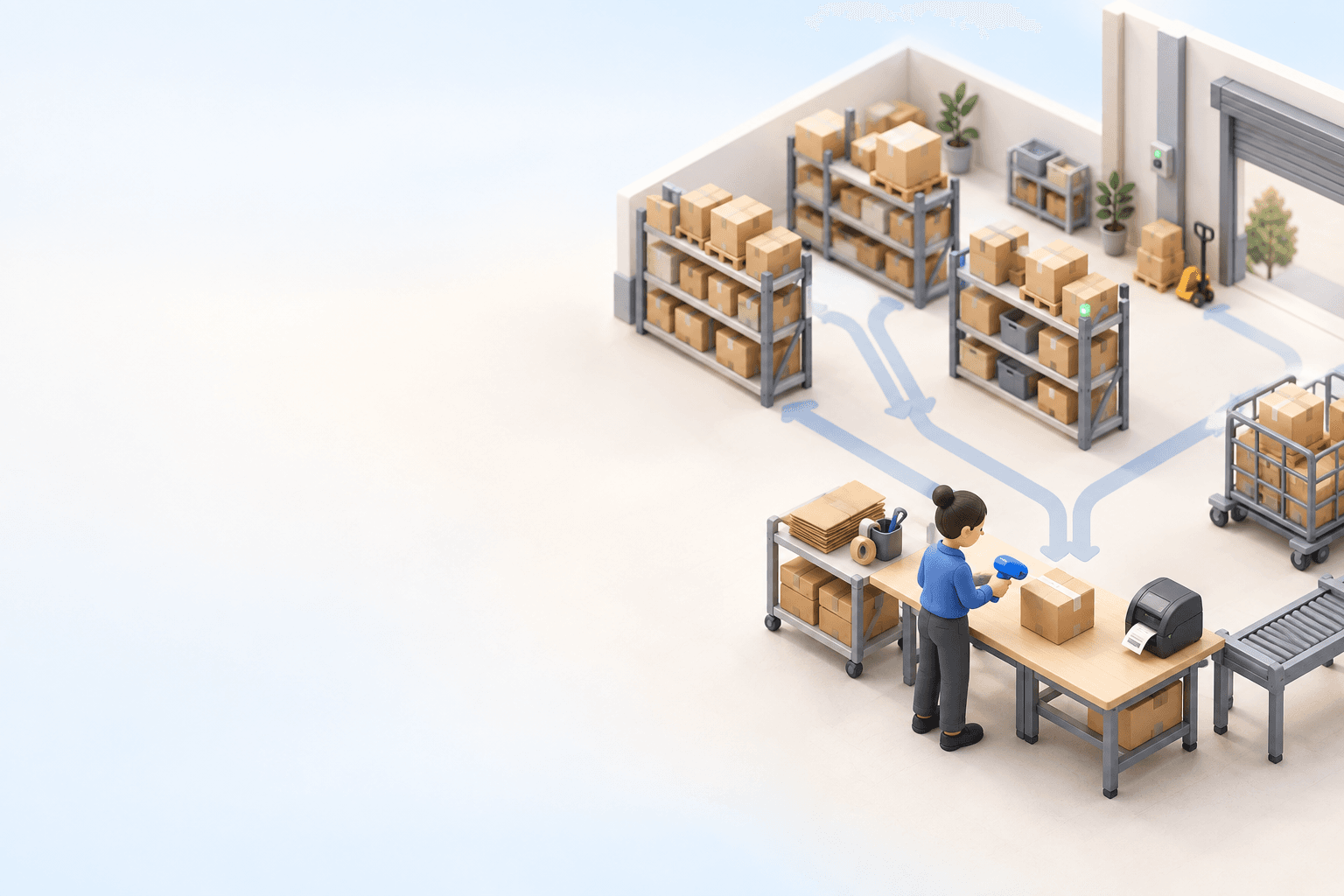
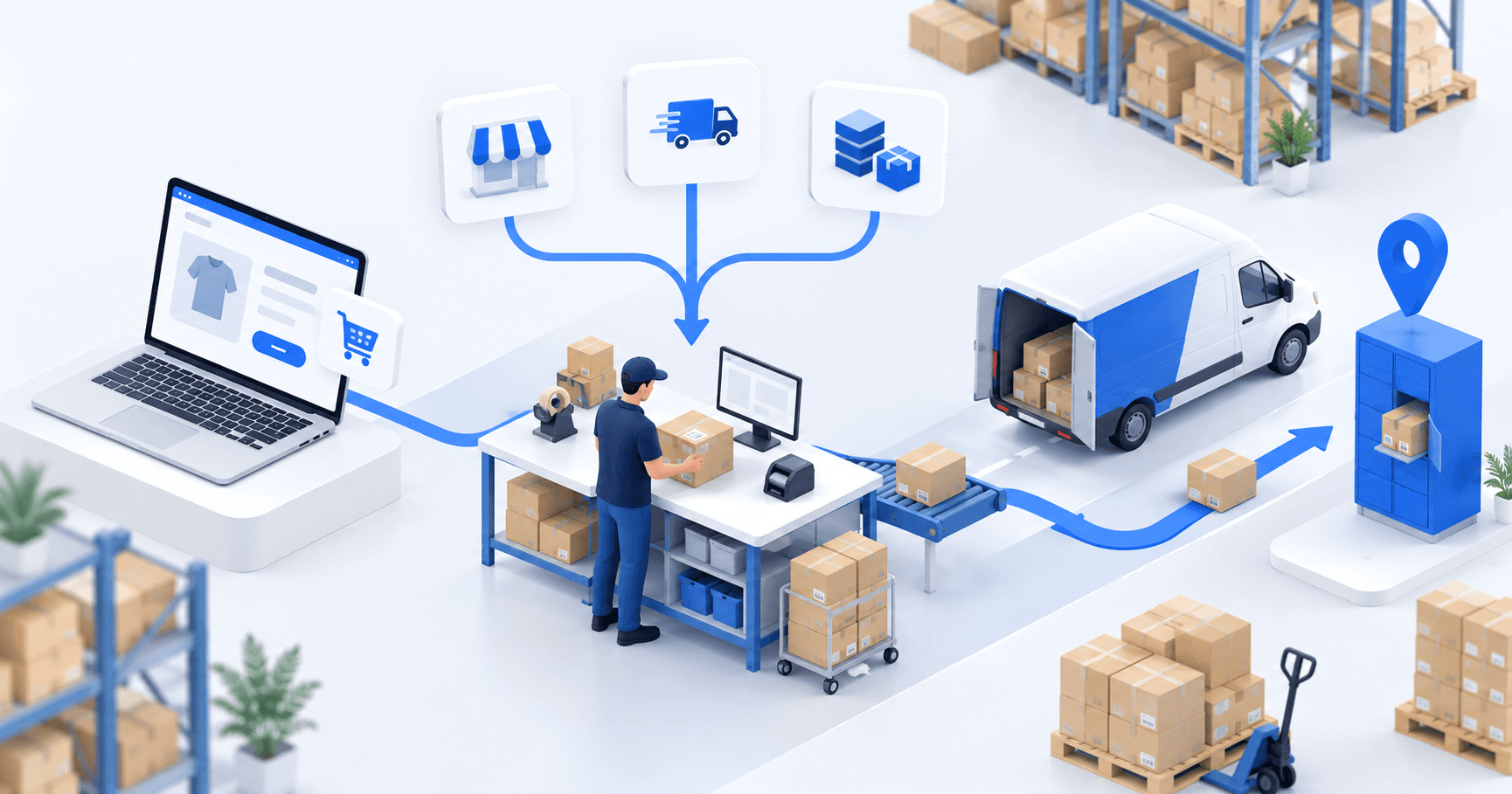
Close to 80% of orders are single-item. When the goods arrive, single-item orders go straight to the packing bench for labeling. The other orders are picked once all their items are available. Repiauto, 2026, 25:25.
- 8:00 a.m.Order receivedall channels
- 8:05 a.m.Supplier purchasebased on live supplier availability
- 9:00 a.m.Goods received and scannedshuttle runs all day
- 10-11 a.m.Picked and dispatchedclose to 80% of orders are single-item
- Early afternoonTrucks leavedepends on the distance to travel
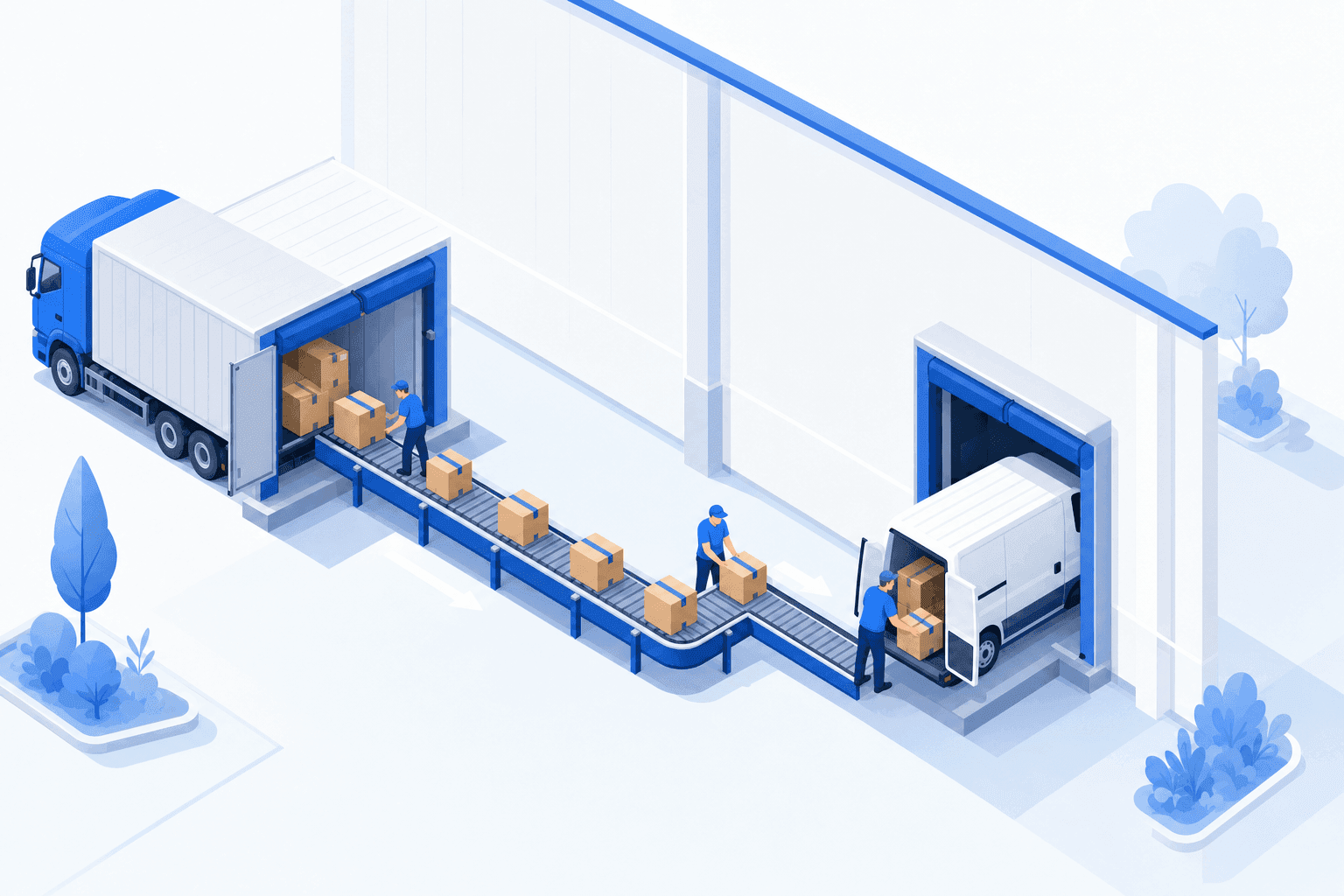
Another auto body parts distributor automated supplier purchasing and cross-dock receiving.
The distributor automated supplier purchasing and cross-dock receiving.
Transit time for single-item orders falls from hours to minutes.
Stock data also supports sales: "myFulfillment also gives me availability on my e-commerce site, which means I only sell what is actually there." Sellable stock determines the quantities you can offer.
Cancellations and late shipments hurt your seller account
Marketplace robots "check your reviews, check your history," and check that the dispatch times you advertise are met. Amazon lists an order defect rate below 1% and a late shipment rate below 4% (Amazon, 2024).
He puts a rough figure on the period before live supplier availability: "10 or 20% of the orders we took, we refunded." Jonathan describes the fees he says he incurred: "from memory, I think 15 or 18% in fees," and "Amazon does not refund the fees" (Amazon.fr Automotive schedule: 15% up to 50 euros, then 9%, 2026). Repiauto, 2026, 27:50.
He calls himself "the first to refuse to pay for tools," then adds: "I lost thousands and thousands of euros by not using a solution like Boostmyshop, or a feed aggregator for the marketplaces." These losses come on top of the effects on the Amazon Buy Box. Repiauto, 2026, 29:34.
Evaluate support alongside the software
He highlights the support: Olivier visited them on site twice. "You see how we work and you tell us: hang on, if I set it up like this, would that help you? Well yes, I save 10 minutes on dispatch." Then the arithmetic: "10 minutes plus 10 minutes plus 10 minutes plus 10 minutes, you are into hours straight away, and that lets you ship 100 or 200 more orders." He sums up the working relationship: "you speak our language." Repiauto, 2026, 32:08.
His advice: call several vendors, and judge the conversation as much as the feature list. On price, he is equally blunt: "a tool you don’t use becomes expensive straight away."
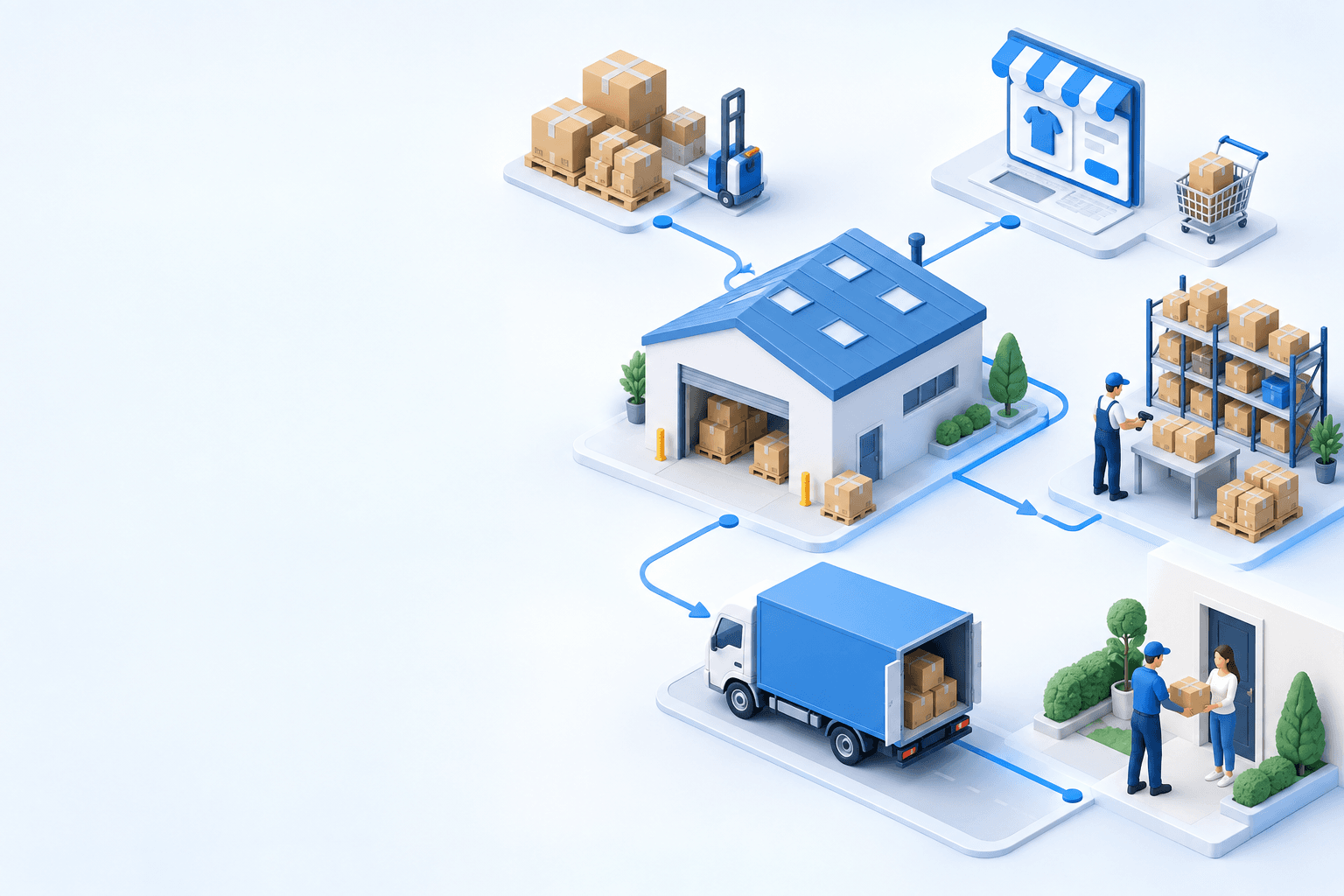
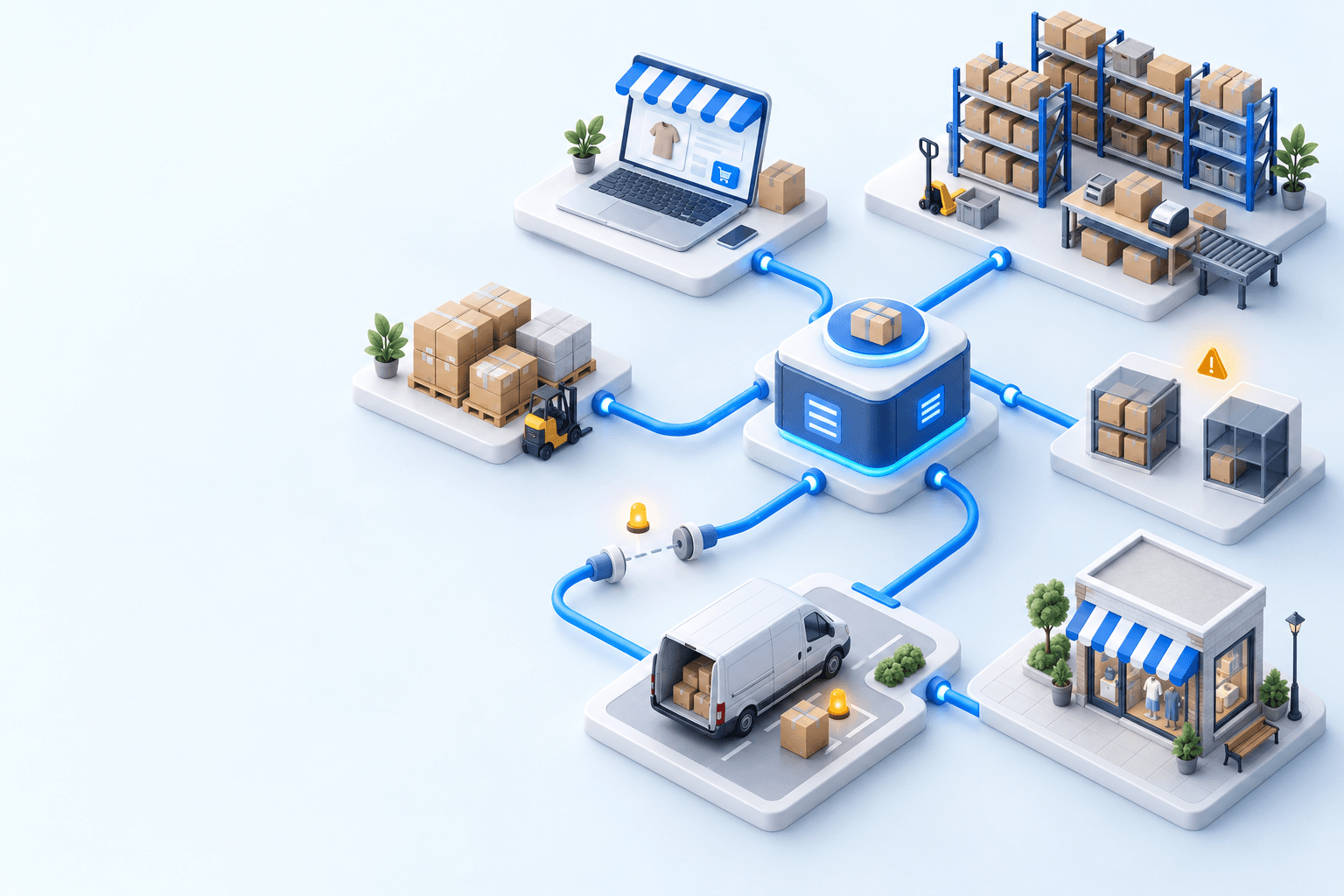
Everything runs through order management, from buying to logistics.
Use AI where it can maintain quality
The last question of the session: is AI already on your radar? At Repiauto, he uses it for catalog creation, price monitoring and a few internal automations. In his own logistics operations, "not that much yet": Jonathan Coloma is waiting for software vendors, Boostmyshop included, to build more of it into their tools.
"There’s AI and there’s AI," he adds right away: not the general-purpose assistants. Asked whether you can scale without hiring, he is "inclined to answer" yes. And for sellers who have not looked at it yet: "if they’re not already interested, I think they’re already behind."
David Butin agrees, with a reservation: you have to get into it, but in operations, the priority is to avoid using AI where it is not relevant, "where you end up losing quality."
Frequently asked questions
The sticker price does not tell you the real cost: an underused tool stays expensive. Jonathan Coloma (Repiauto): "you get the invoice total at the bottom of the invoice." For him, the time saved translated into "100 or 200 more orders."
At Repiauto, they expected a year; they were told installation would take fifteen days. Moving from paper to automated inventory management was "chaotic" for a day or two, then the operation picked up again.
According to Jonathan Coloma (Repiauto), those tools target multi-warehouse groups undertaking six-month to one-year projects. They address those groups’ needs, but "not e-commerce sellers, because e-commerce orders are urgent."
Volume matters less than the surrounding work: receiving, cleaning, picking, loading, missing items, supplier returns. At 1,000 orders a day, Jonathan Coloma (Repiauto) says, "I don't want to talk nonsense... but I think we have 15 people," supervisors included.
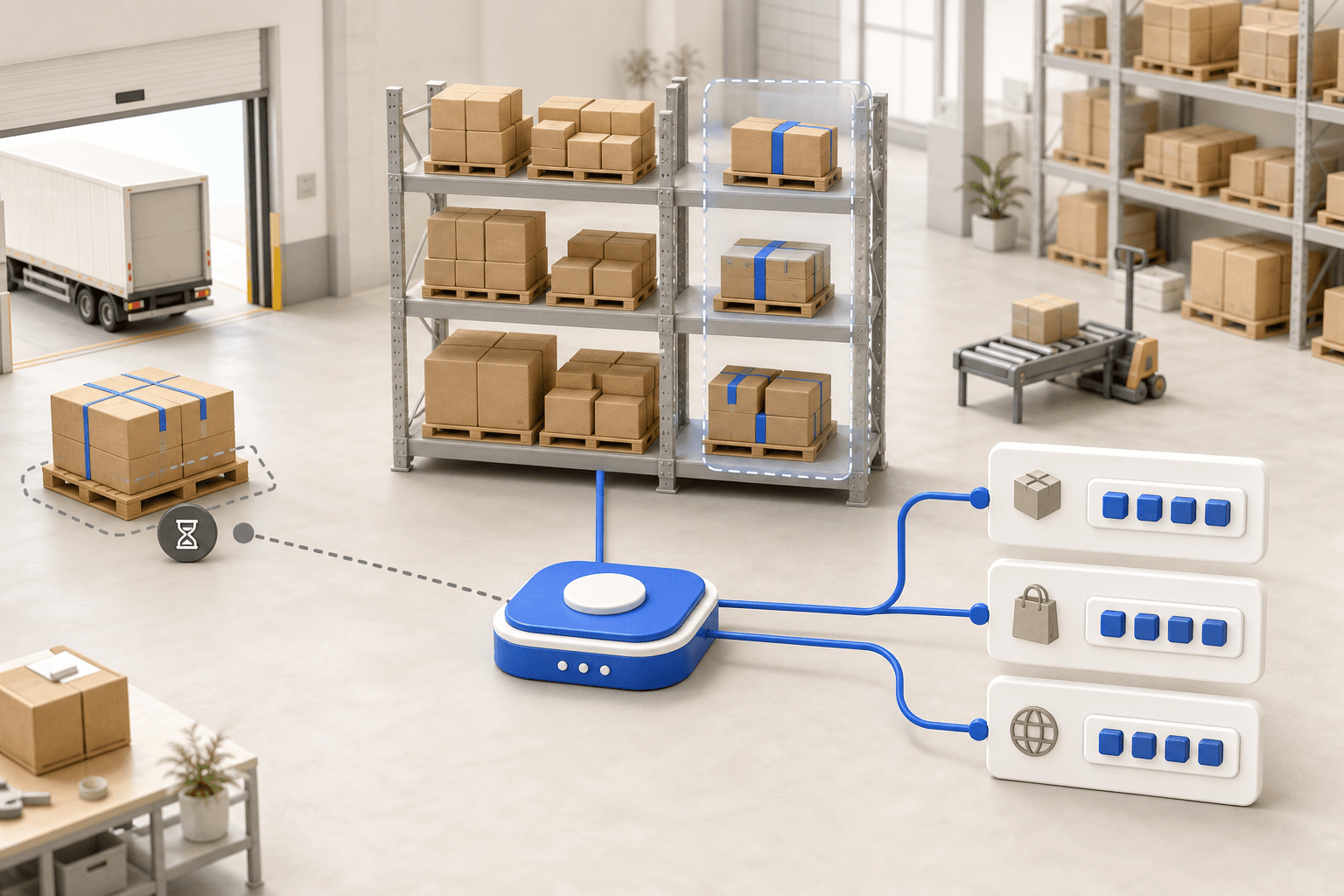
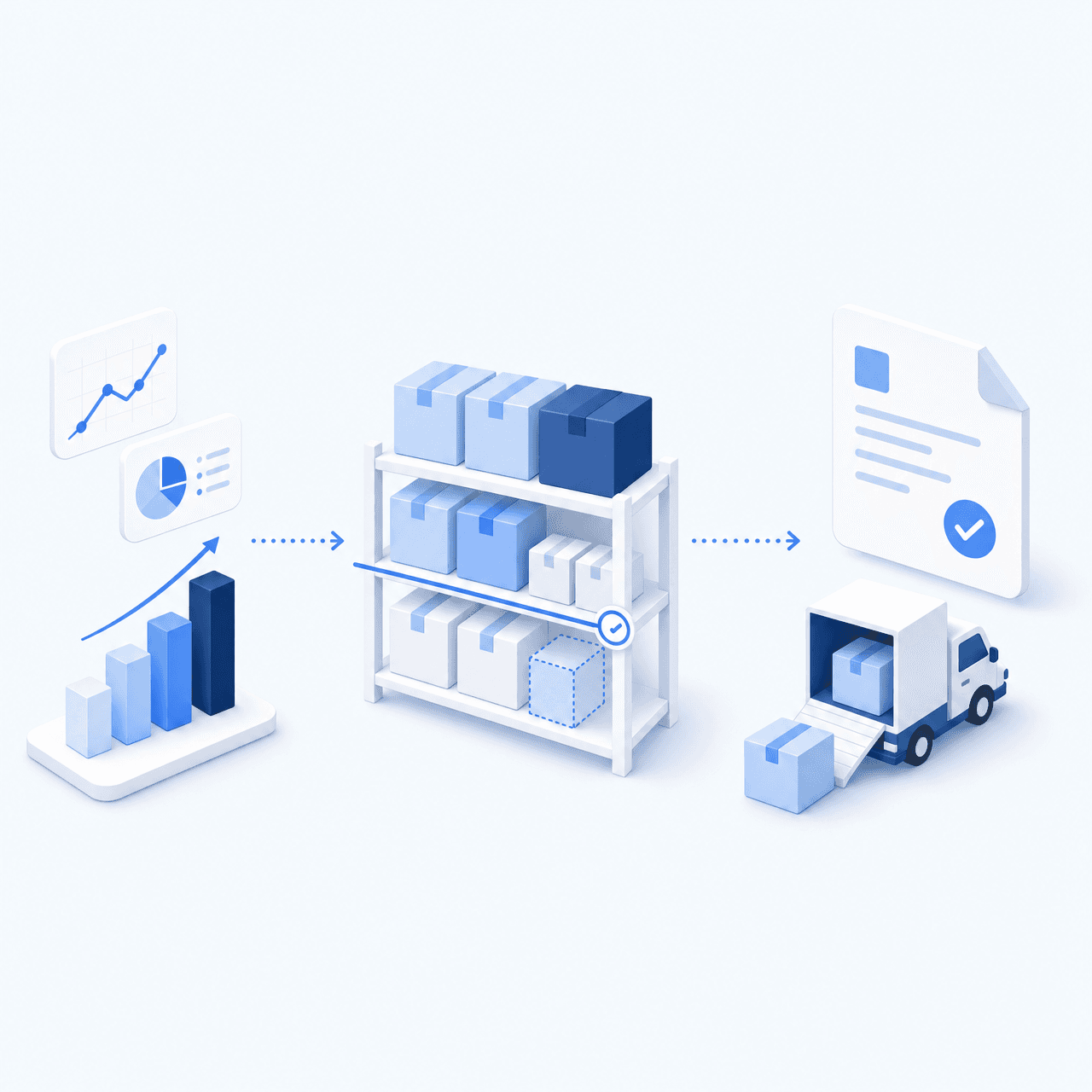
Publish only what can actually ship: use one source of stock data, reserve stock when the order is placed, and keep supplier availability current. Jonathan Coloma: "myFulfillment also gives me availability on my e-commerce site, which means I only sell what is actually there."
At intervals shorter than your order processing time; otherwise, you sell stock that is no longer available. At Repiauto, myFulfillment refreshes the site every five minutes ("I think, if I am not talking nonsense"); the feed aggregator pushes that stock to the marketplaces hourly.
Yes, provided you know their availability in real time and meet the lead time you advertise. Repiauto mostly uses cross-docking, with a catalog of more than 30,000 items: "we are also plugged straight into the stock of all our suppliers."
Continue exploring
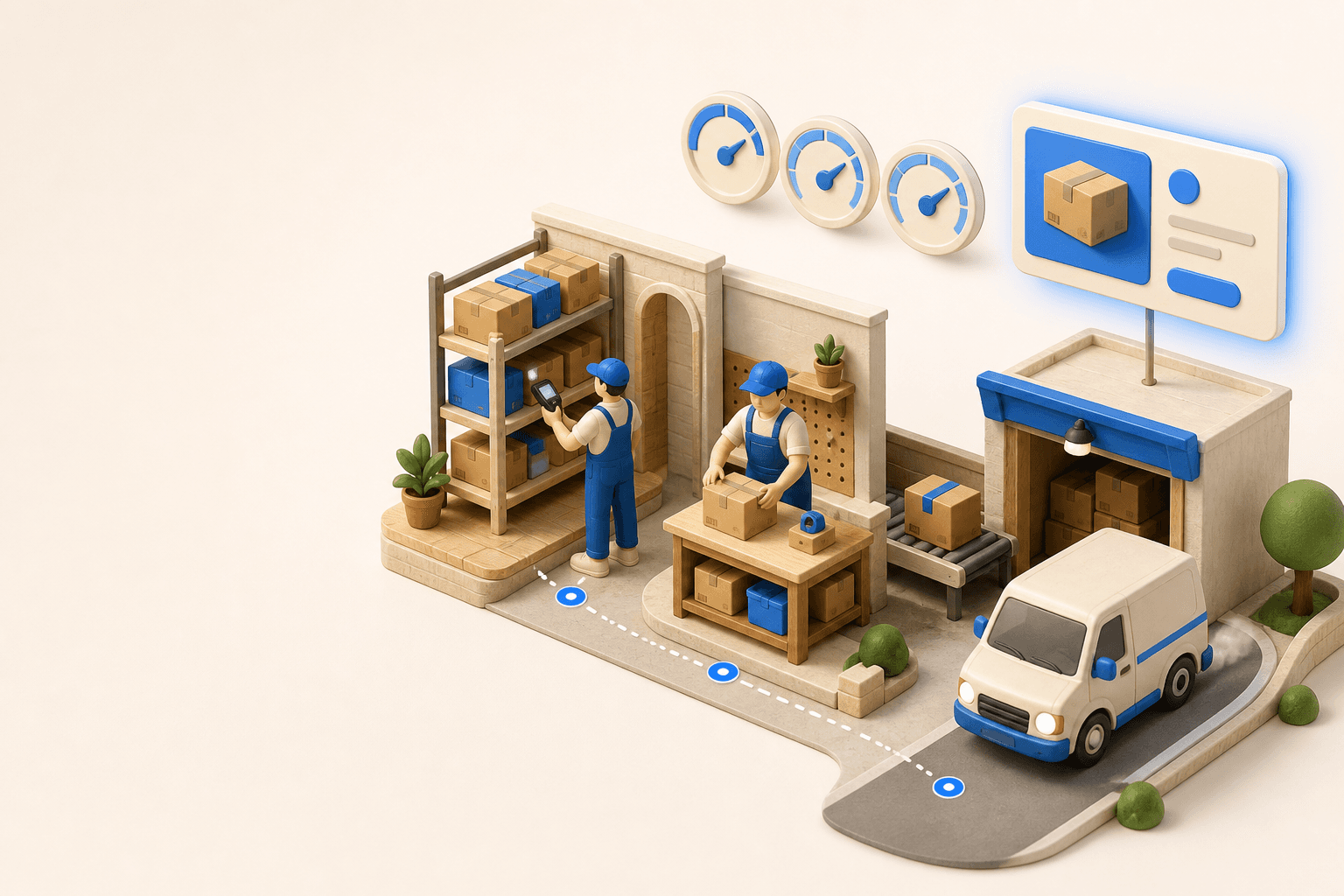


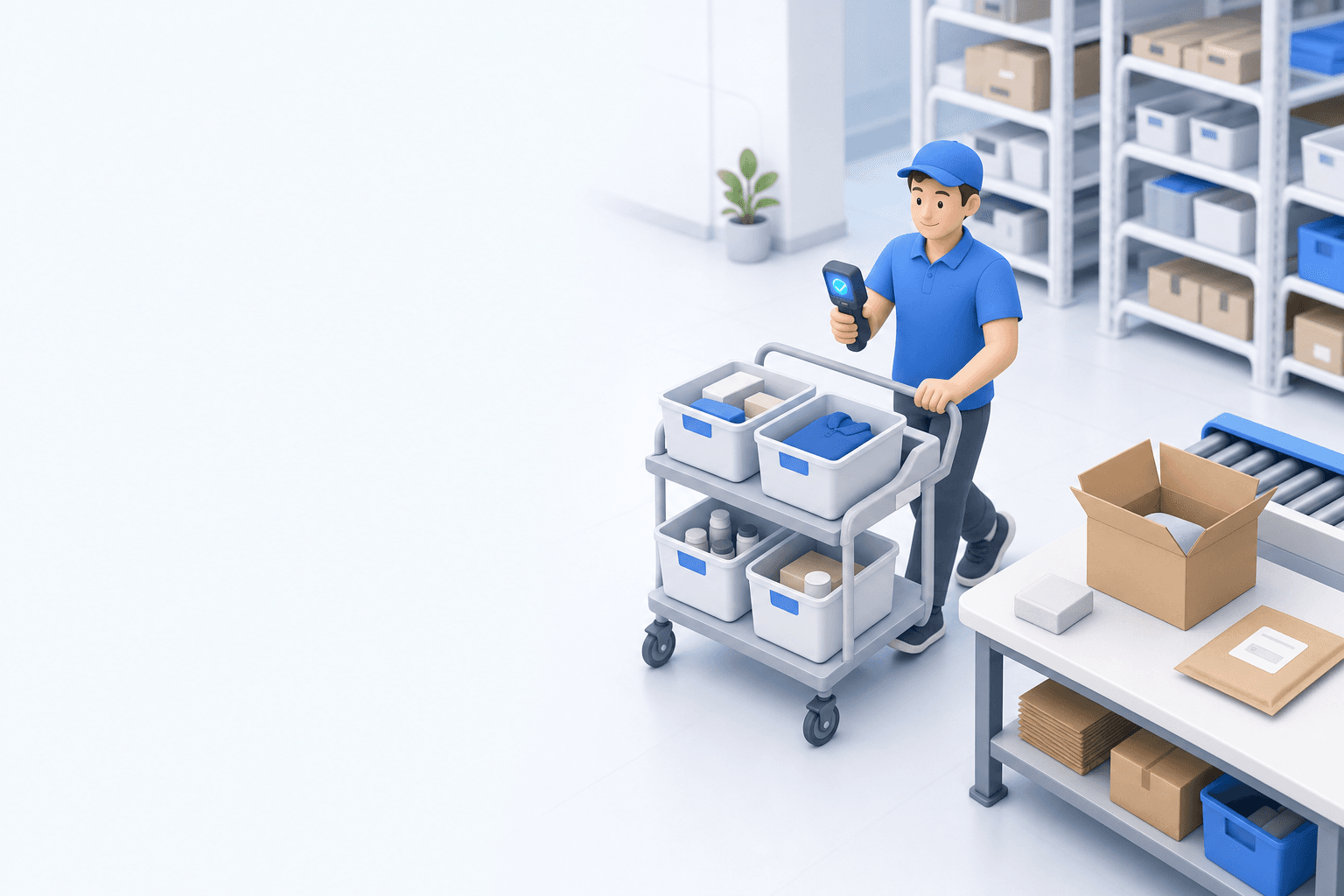
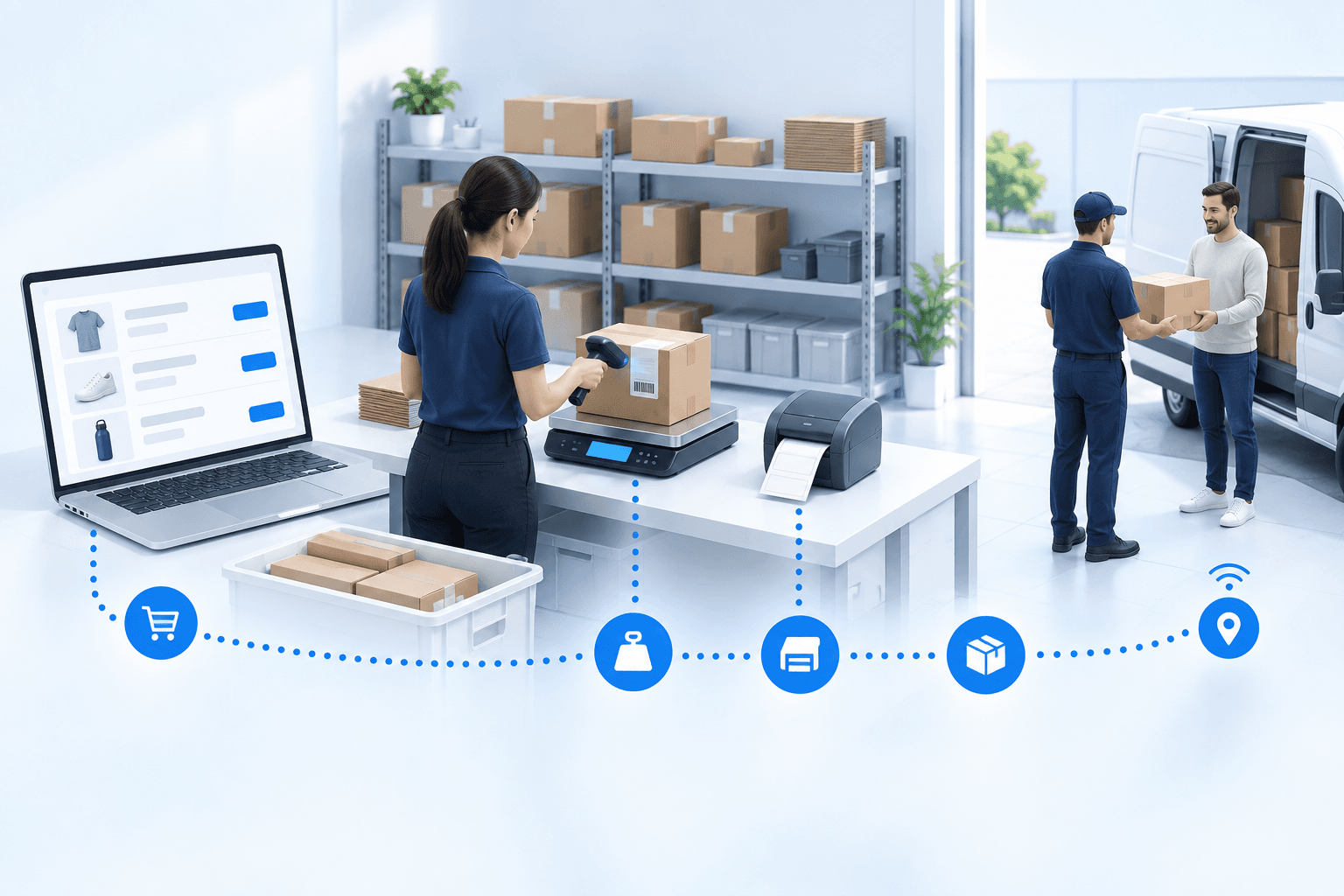
To hold up under peak volume, split the order queue into waves based on real operating constraints, then decide where barcode checks belong. At the packing bench, the operator verifies the parcel. Carrier rules select the service and print the label, so the next order can start without another decision.

Industrializing your purchasing means ordering on rules, not guesswork: at the right time (the reorder point), in the right quantity (your coverage period), from the right supplier, with a purchase order validated in one click. Available on replay.








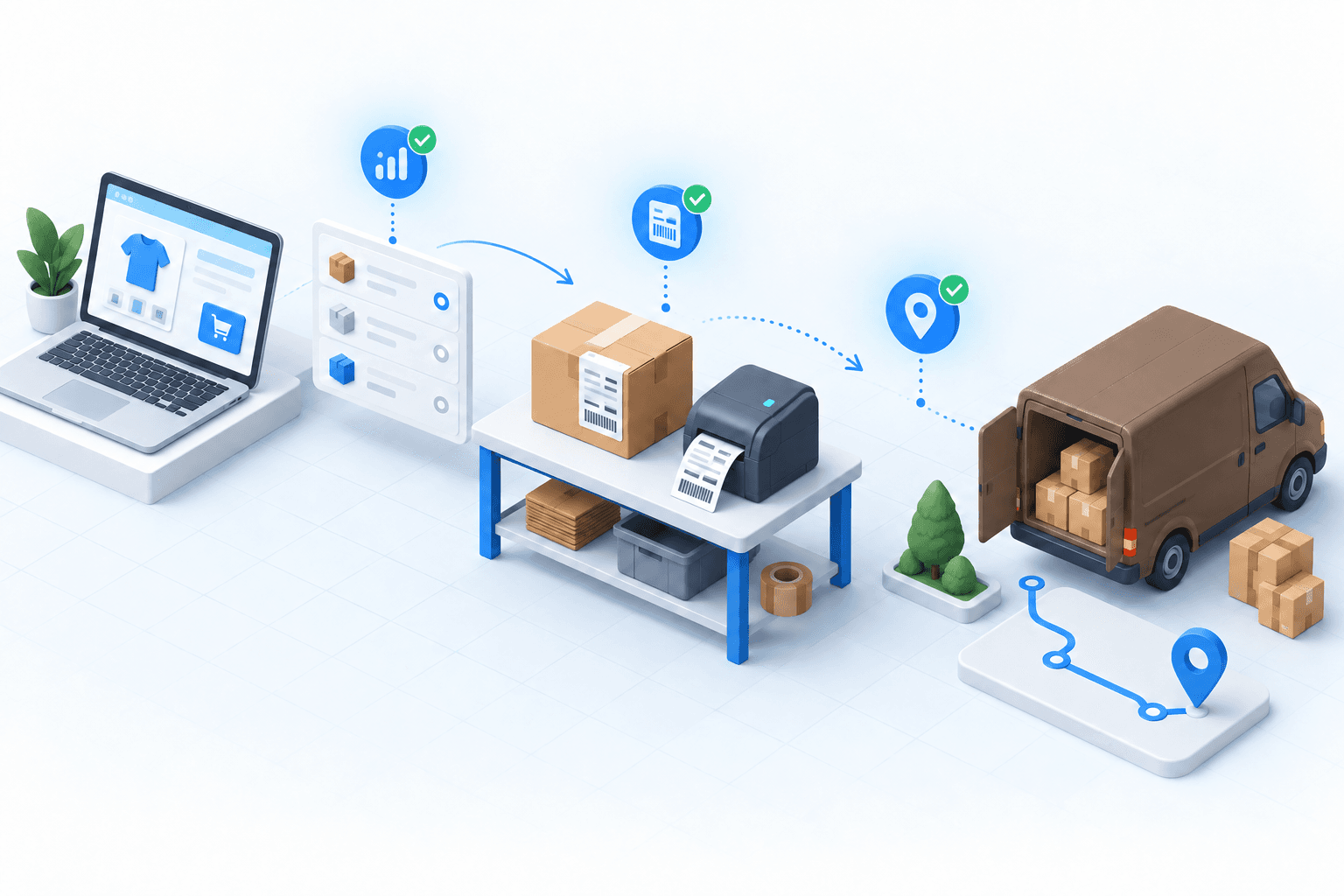
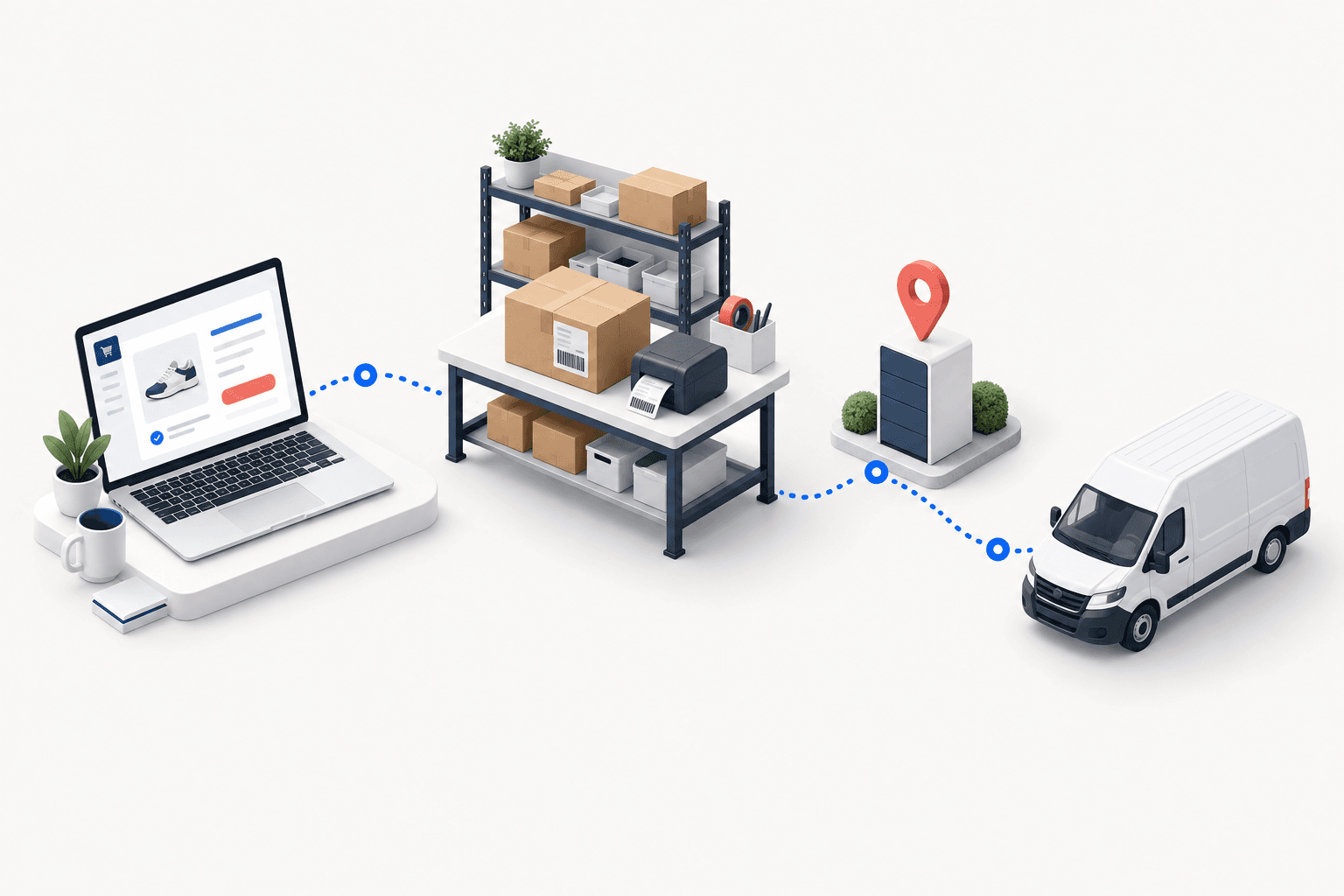
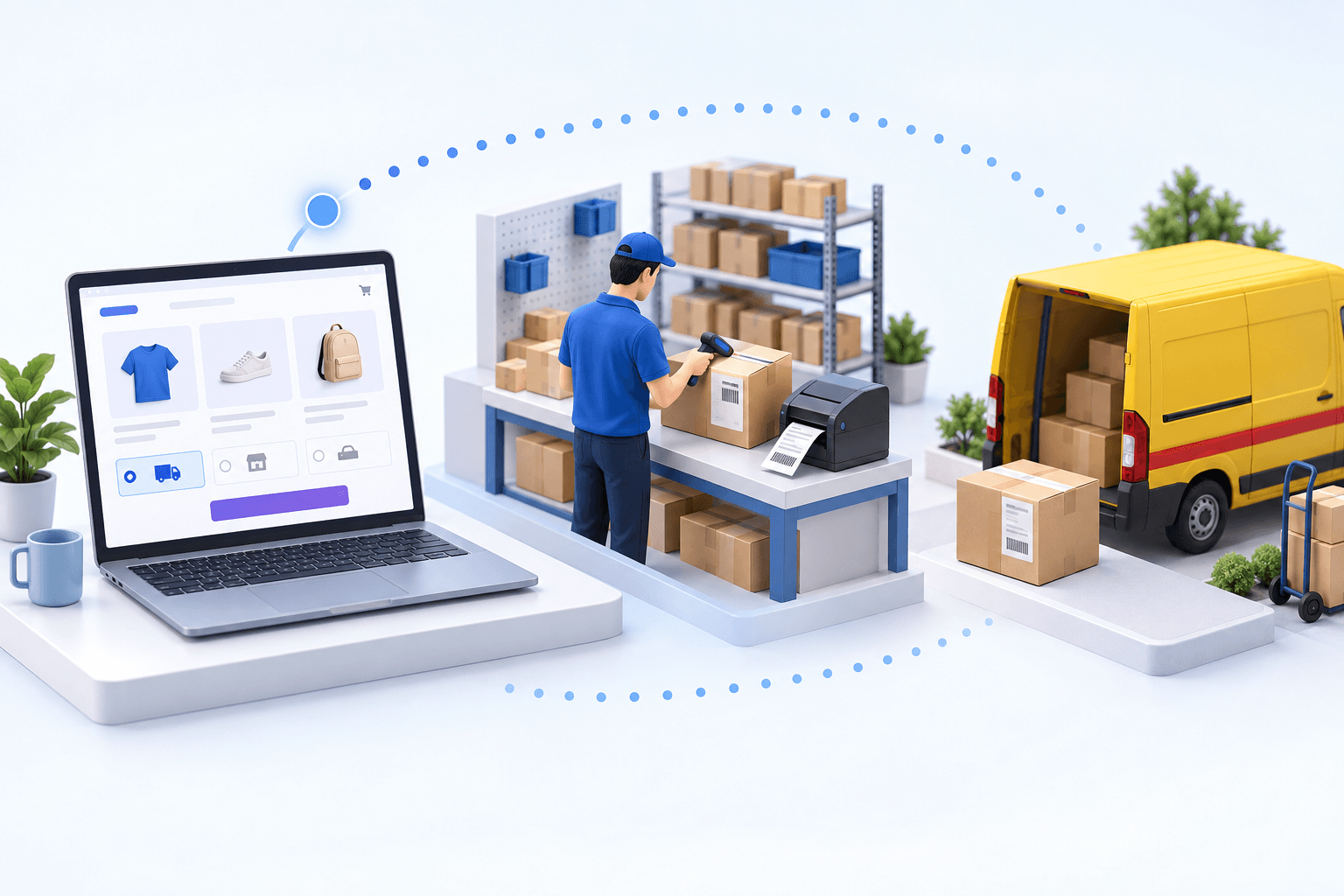
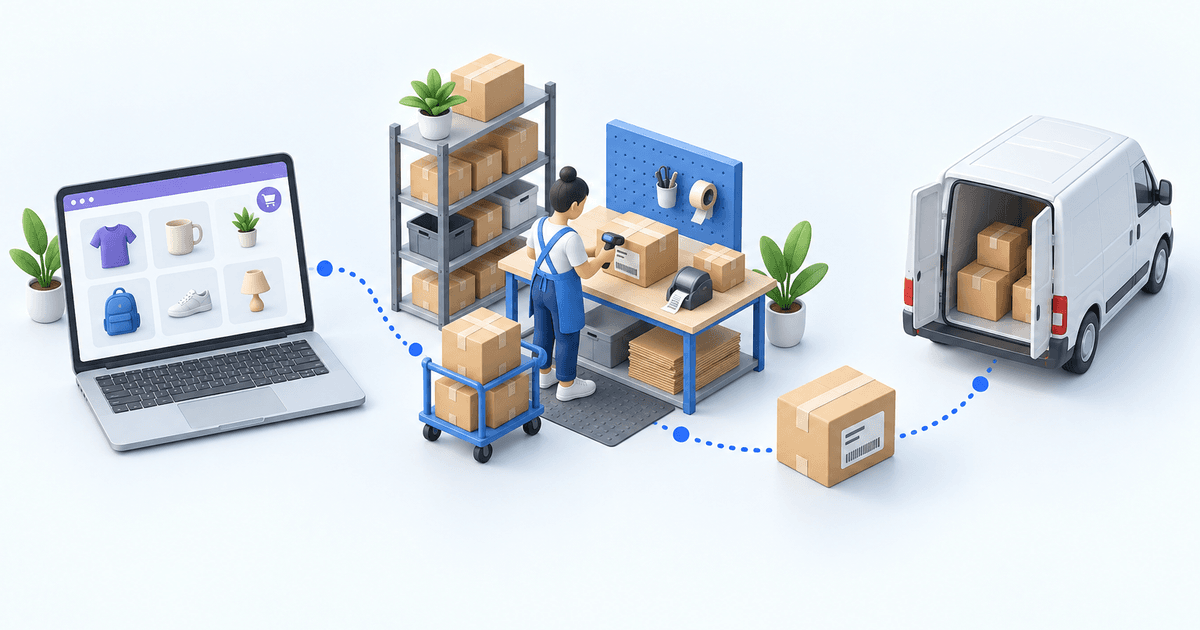
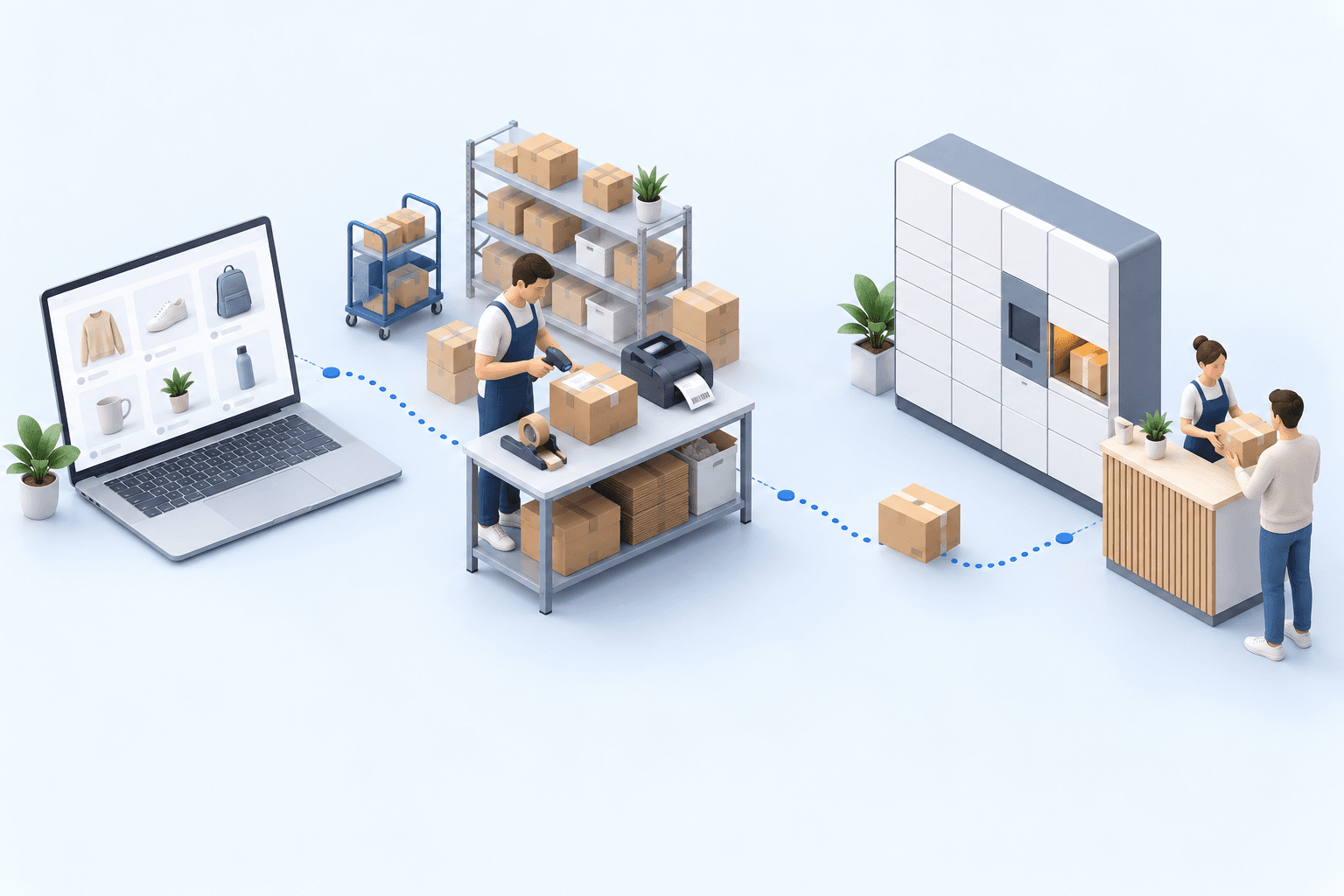
A higher conversion rate becomes profitable growth only when your logistics operation can handle the additional order volume. In 45 minutes, identify the pressure points that put inventory accuracy, order picking, shipping, customer support and margin at risk as sales rise. The webinar is presented in French.
Let’s review your order workflow
In 20 minutes, we’ll identify bottlenecks and ways to save time. No slides.
Free 20-min call · No commitment