
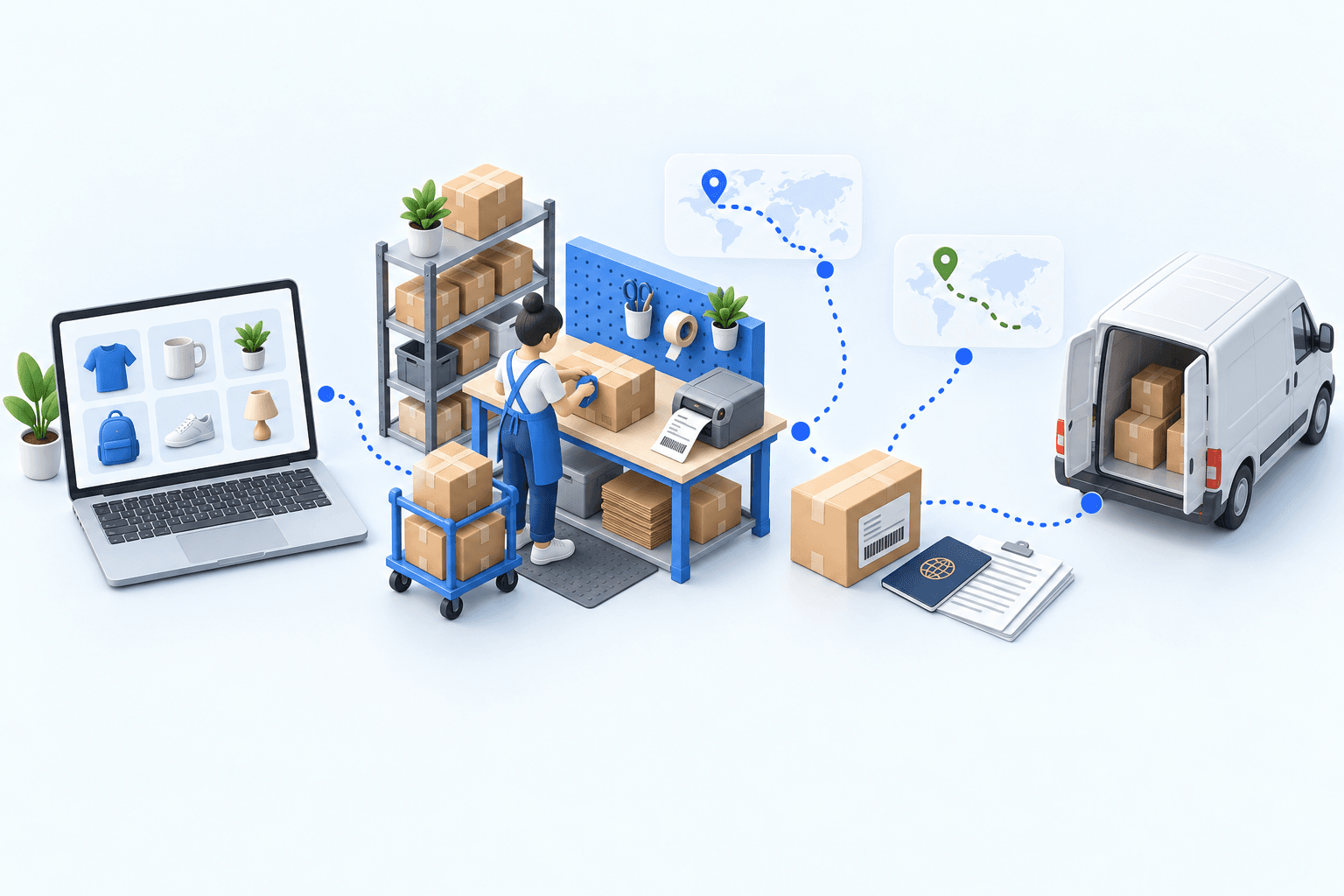
DHL Shopify: which shipping setup fits your operation?
Use Shopify Shipping or a DHL app when one store, one shipping country, and a simple service list cover the job. A shipping platform groups several carriers. Choose an OMS/WMS when channels, warehouses, or routing rules multiply. In every case, verify the DHL Express account, eligible service, label, and Shopify tracking before launch.
 By Diogo Monteiro · E-commerce Integration Expert· Updated September 25, 2026· 4 min read
The essentials
- Start with the shipping country and DHL Express account. Availability in Shopify does not prove that the same route exists for your country, account, or DHL division.
- The Shopify delivery promise must map to a DHL Express service valid for the account, origin, destination, parcel, and customs data.
- A label is one proof. Shopify must also show the fulfillment with the same tracking number returned when the DHL shipment is created.
- An OMS/WMS becomes useful when several stores, sales channels, warehouses, or shared carrier rules need one operating queue.
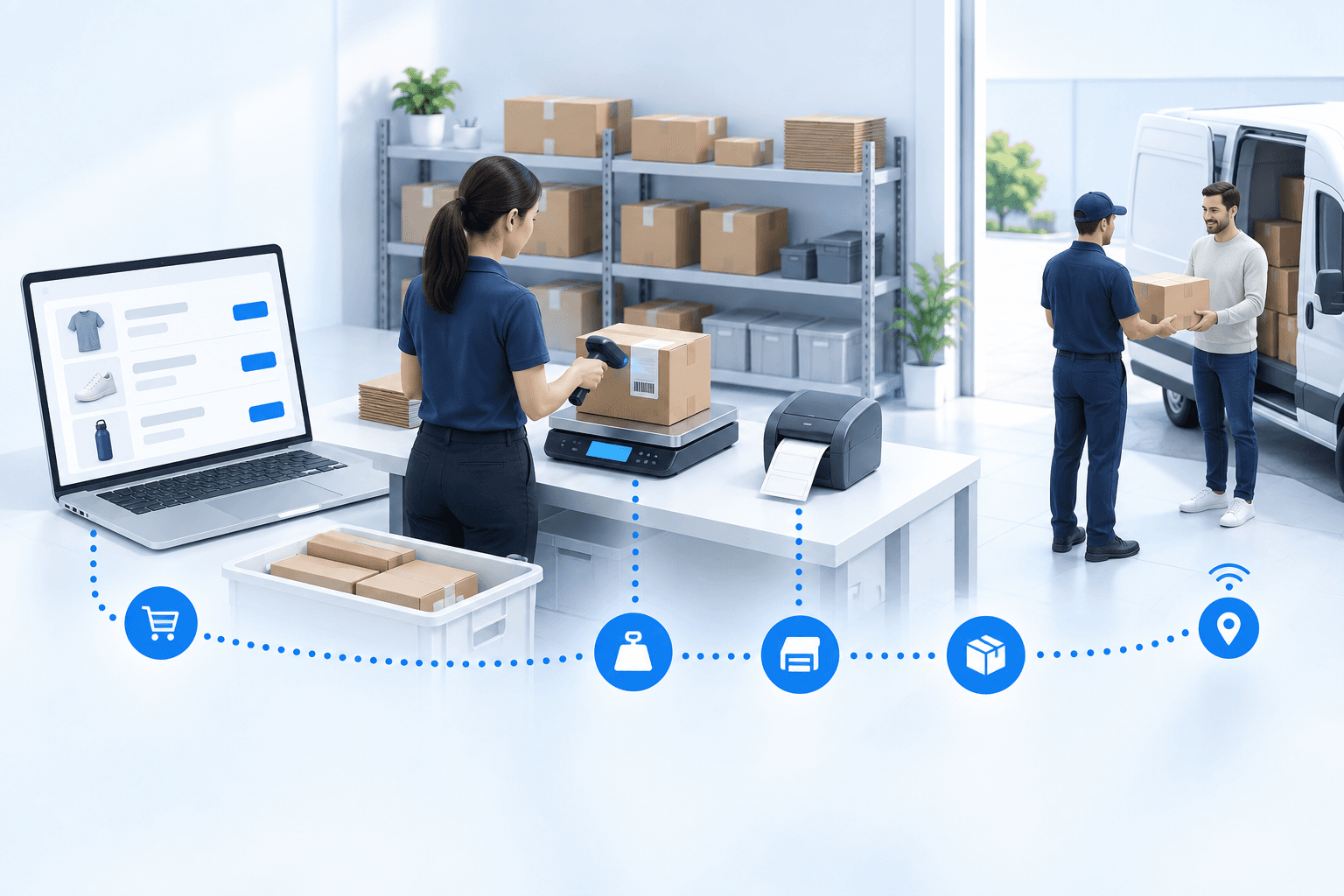
The warehouse is waiting for one DHL label, yet the paid Shopify order is not ready to ship. The mapped service may be unavailable on that lane, or the label may print while Shopify never receives the tracking number. Connecting Shopify to DHL is an architecture and acceptance decision, not a plugin-installation exercise.
DHL Shopify: three shipping setups, one account boundary
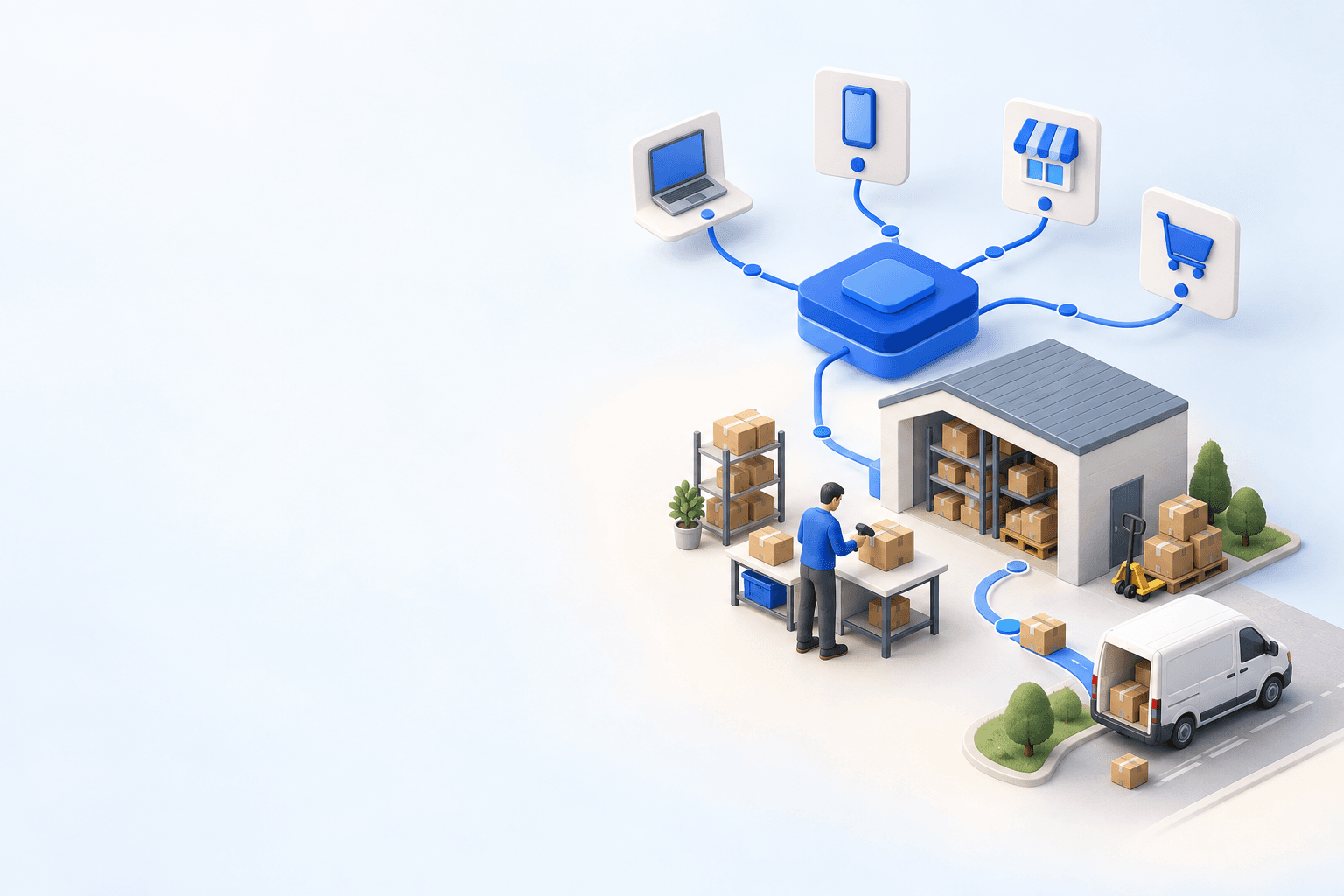
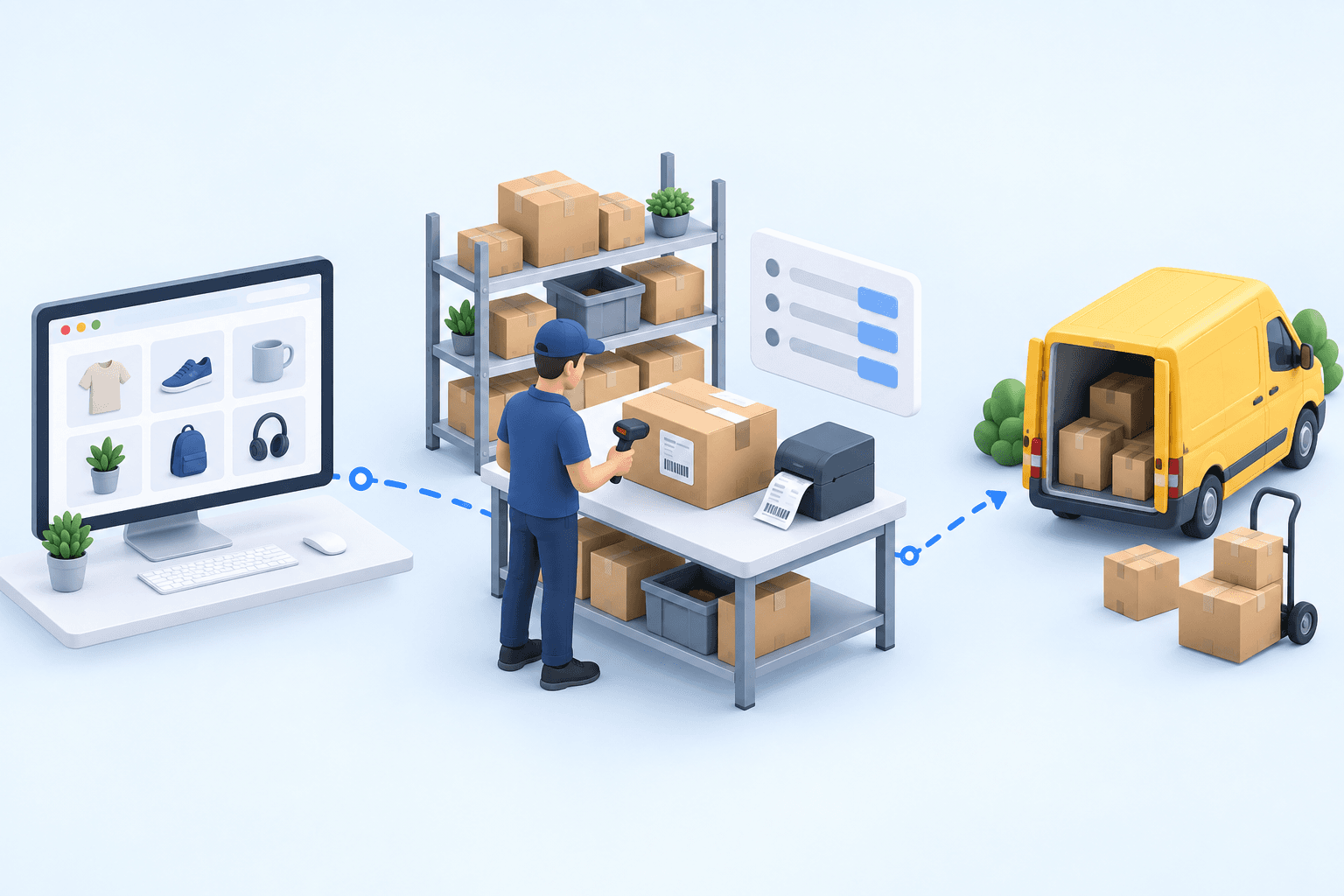
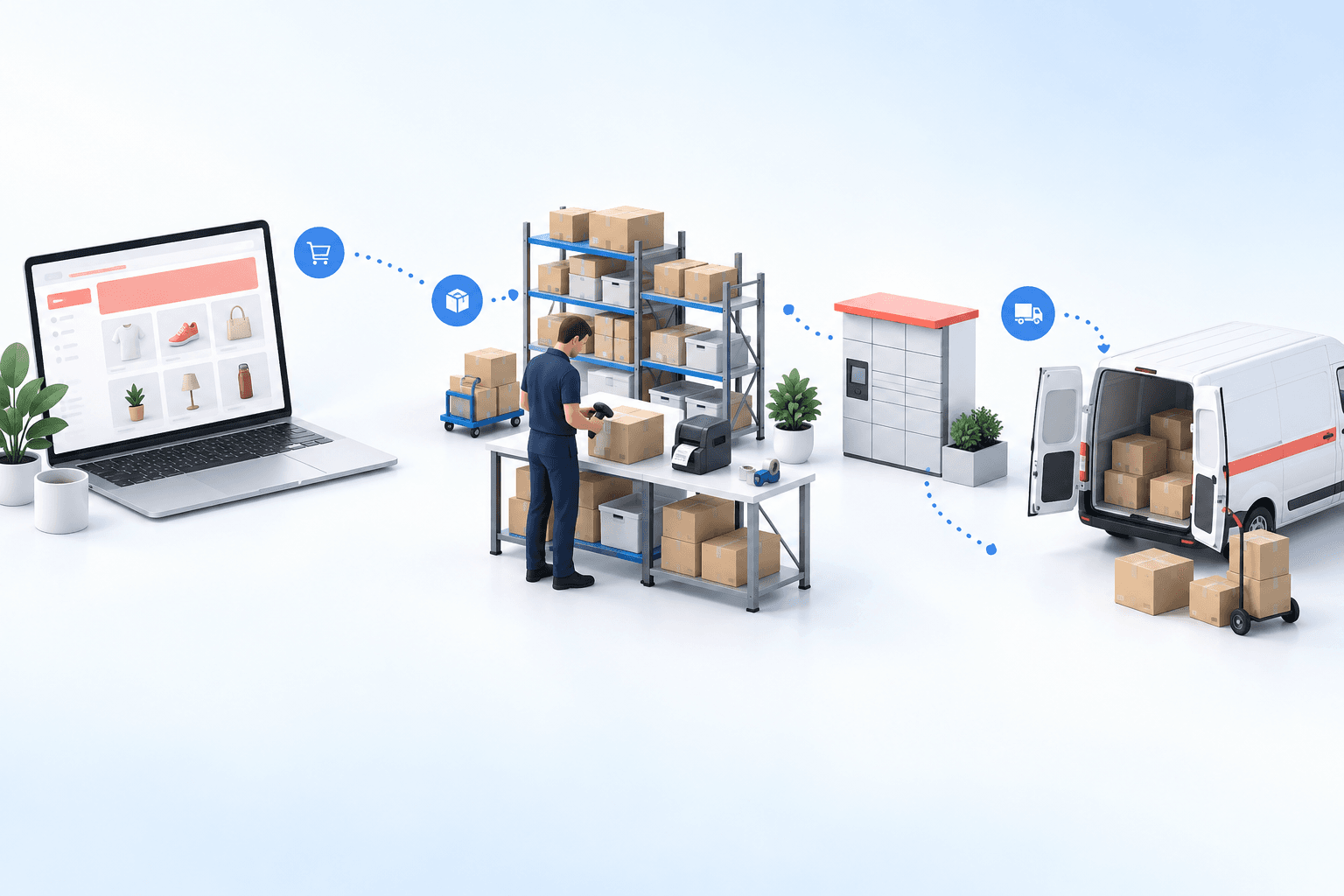
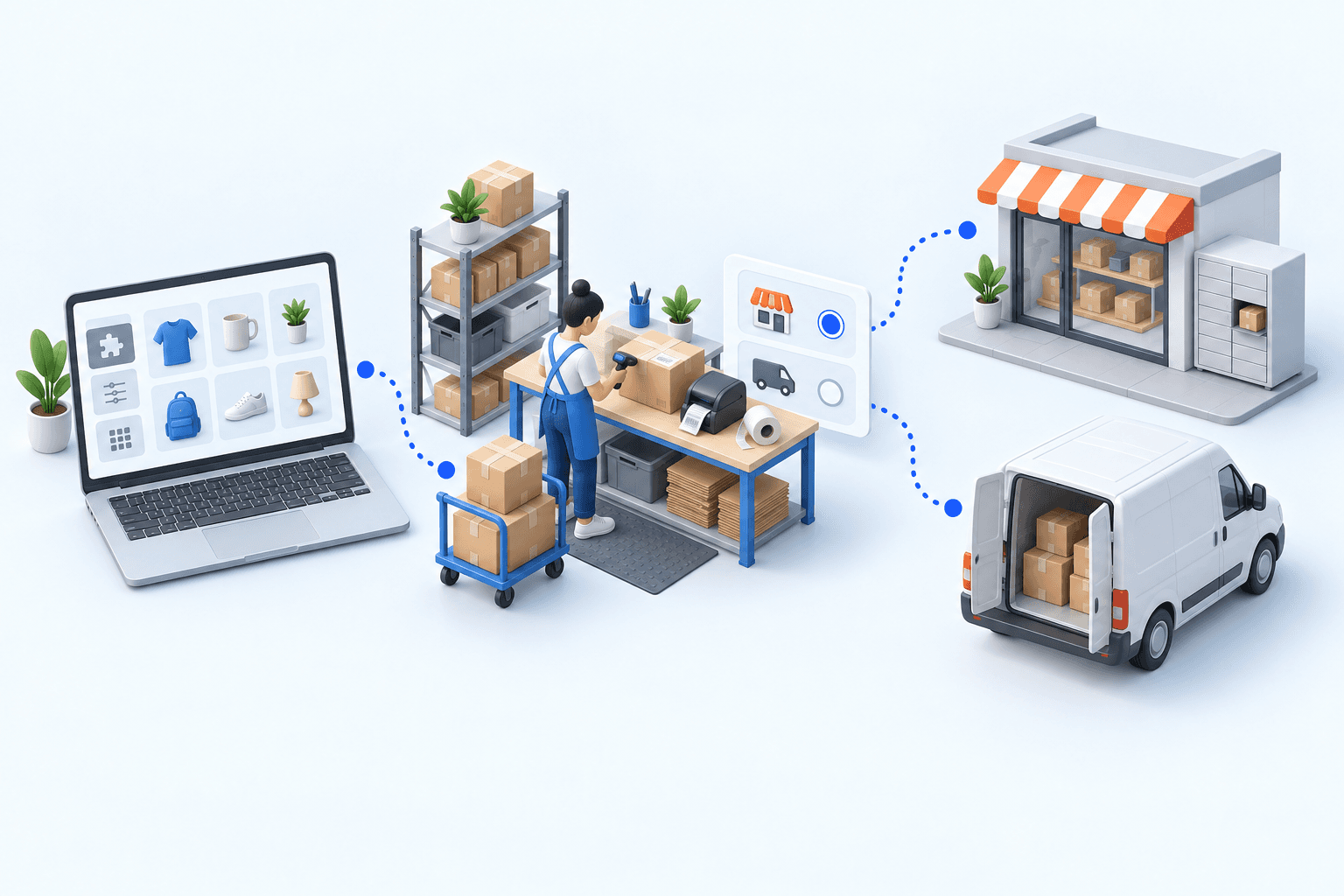
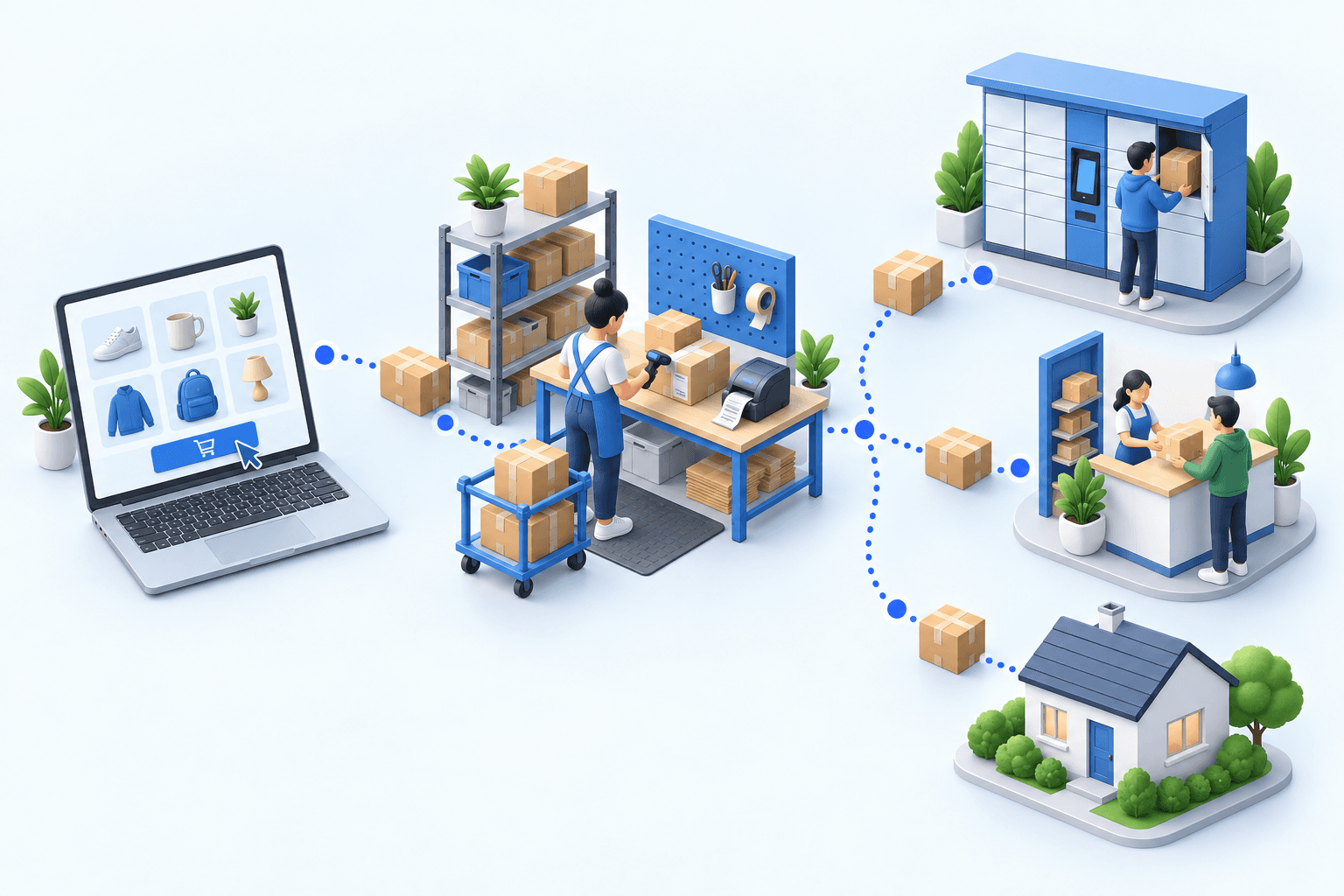
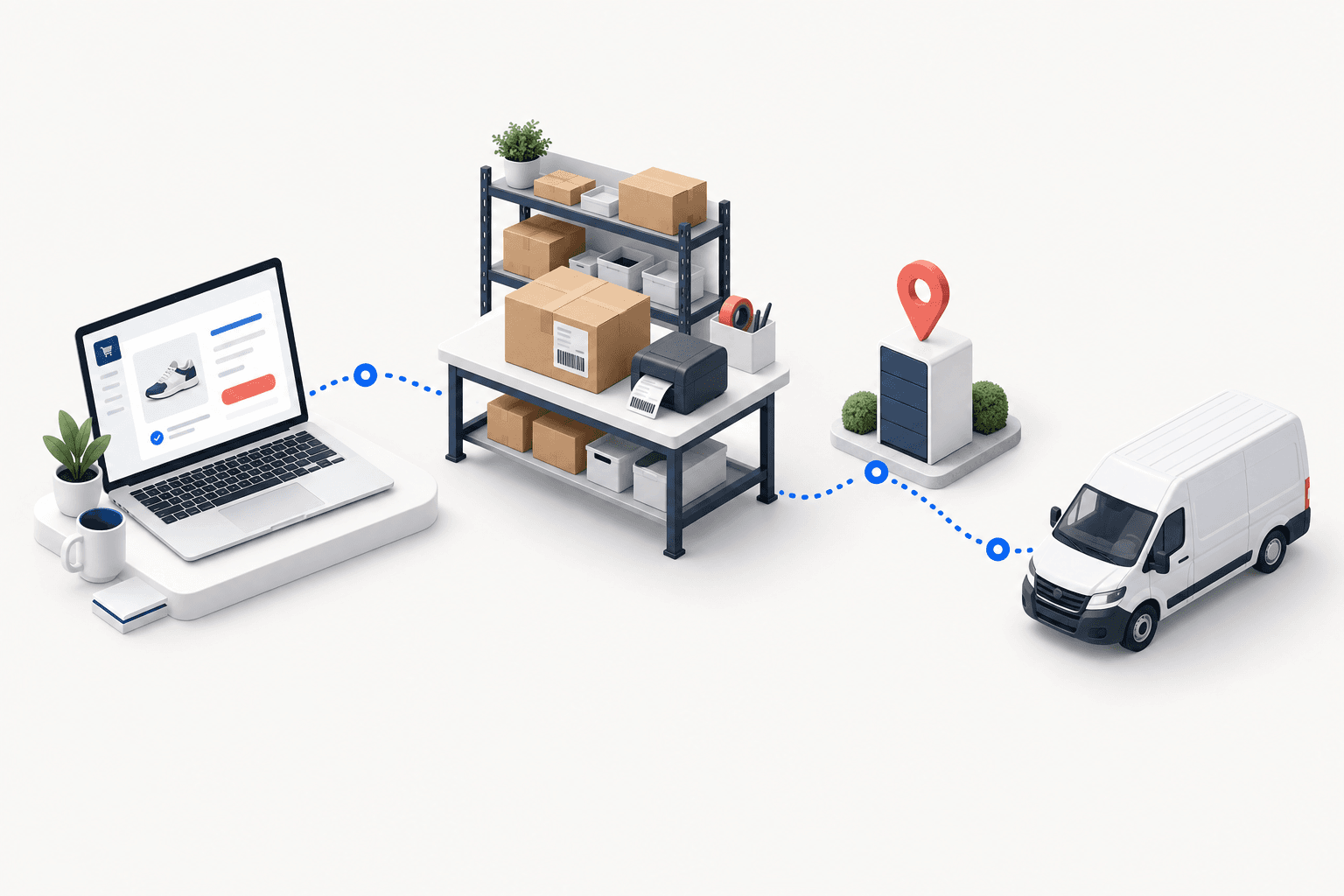
Shopify Shipping or a DHL app suits one store when the route is offered in the merchant’s shipping country and the DHL Express account covers the required lanes. A shipping platform brings several carriers into one label workspace. An OMS/WMS adds a shared order queue, warehouse execution, and routing rules across channels.
| Setup | Fits when | First check |
|---|---|---|
| Shopify Shipping or DHL app | One store, simple lanes | Country and account eligibility |
| Shipping platform | Several carriers, few warehouse rules | Service mapping ownership |
| OMS/WMS | Several channels or warehouses | Shared order and carrier rules |
Do not infer availability from a logo. In its 2025 Shopify partnership announcement, DHL Group described a network spanning 220 countries and territories, but said the Shopify rollout was then live in the USA and Germany, with more markets planned through 2025 and 2026. Your shipping country, DHL division, account number, and credentials decide which route you can actually test.
For the preflight, use the MyDHL API credentials, account number, and test or production mode assigned to the operation. Limit the service list to that account and lane. A service shown for another country does not prove acceptance.
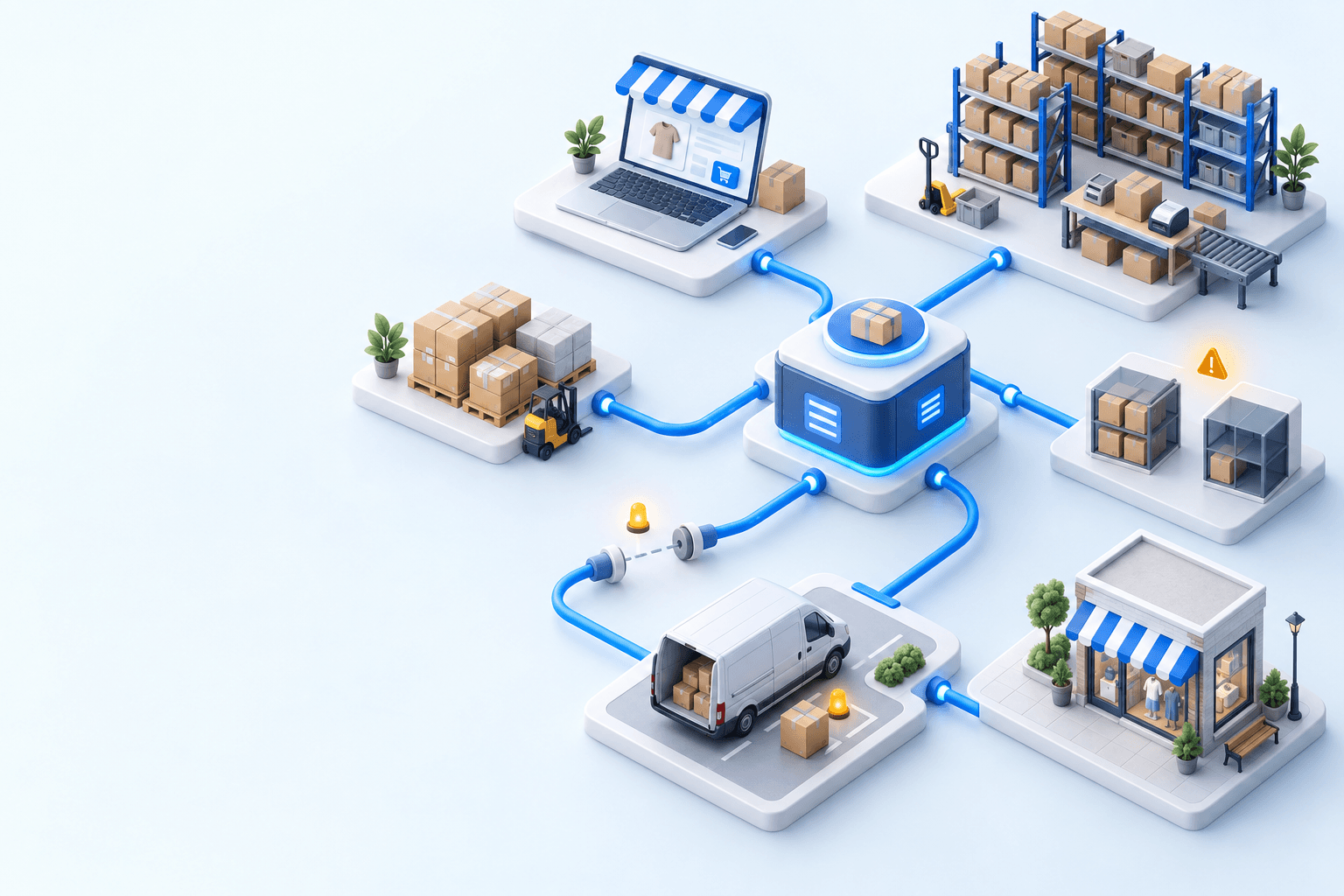
The four failure points are visible if you check the handoffs
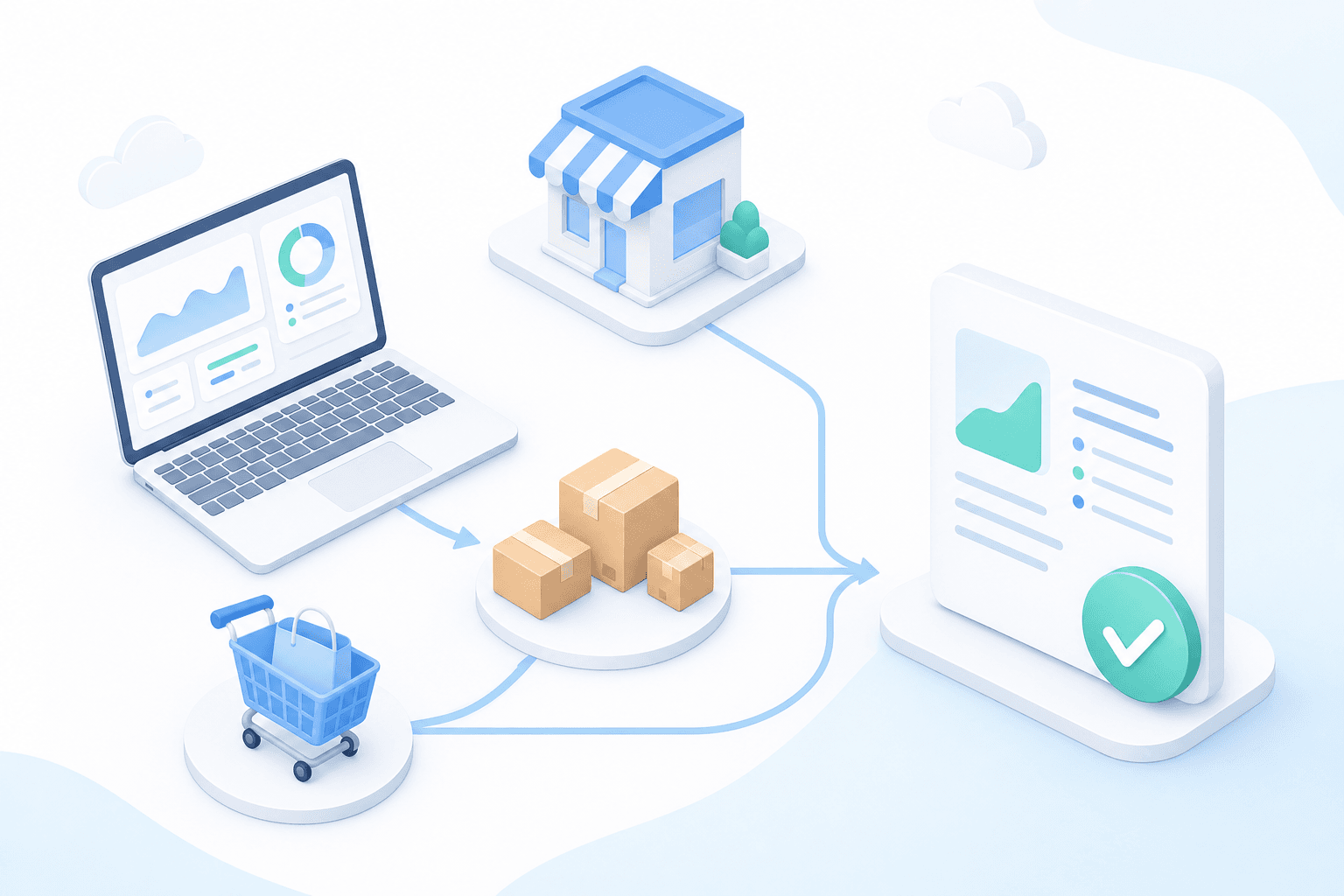
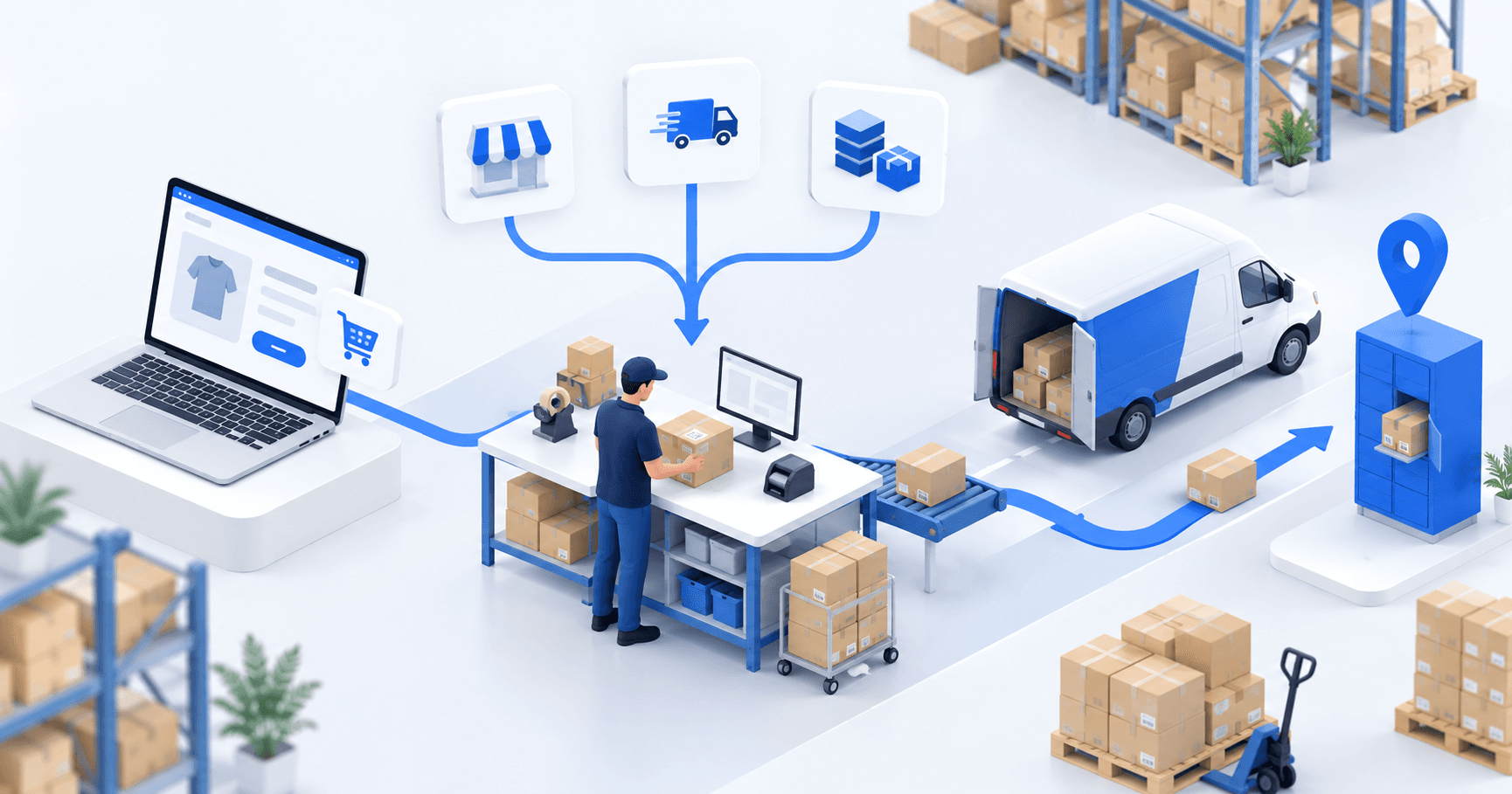
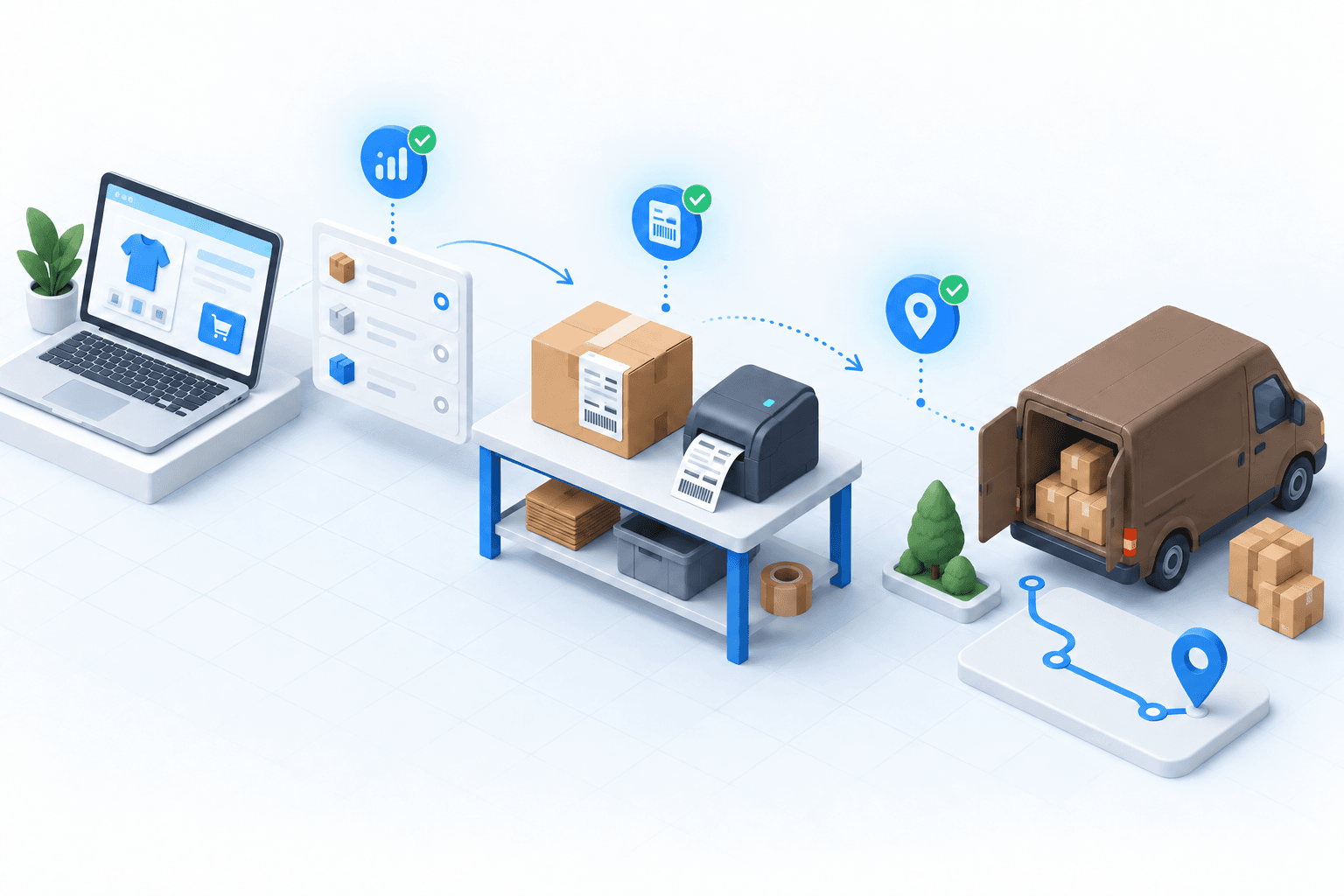
First, the eligible Shopify order must reach the operating queue. Next, its delivery promise must map to a DHL Express service valid for the account, origin, destination, parcel, and customs data. DHL’s 2025 E-Commerce Trends Report, based on 24,000 shoppers in 24 markets, found that 81% would abandon a purchase when their preferred delivery option was missing. A bad mapping breaks the promise before the parcel leaves.
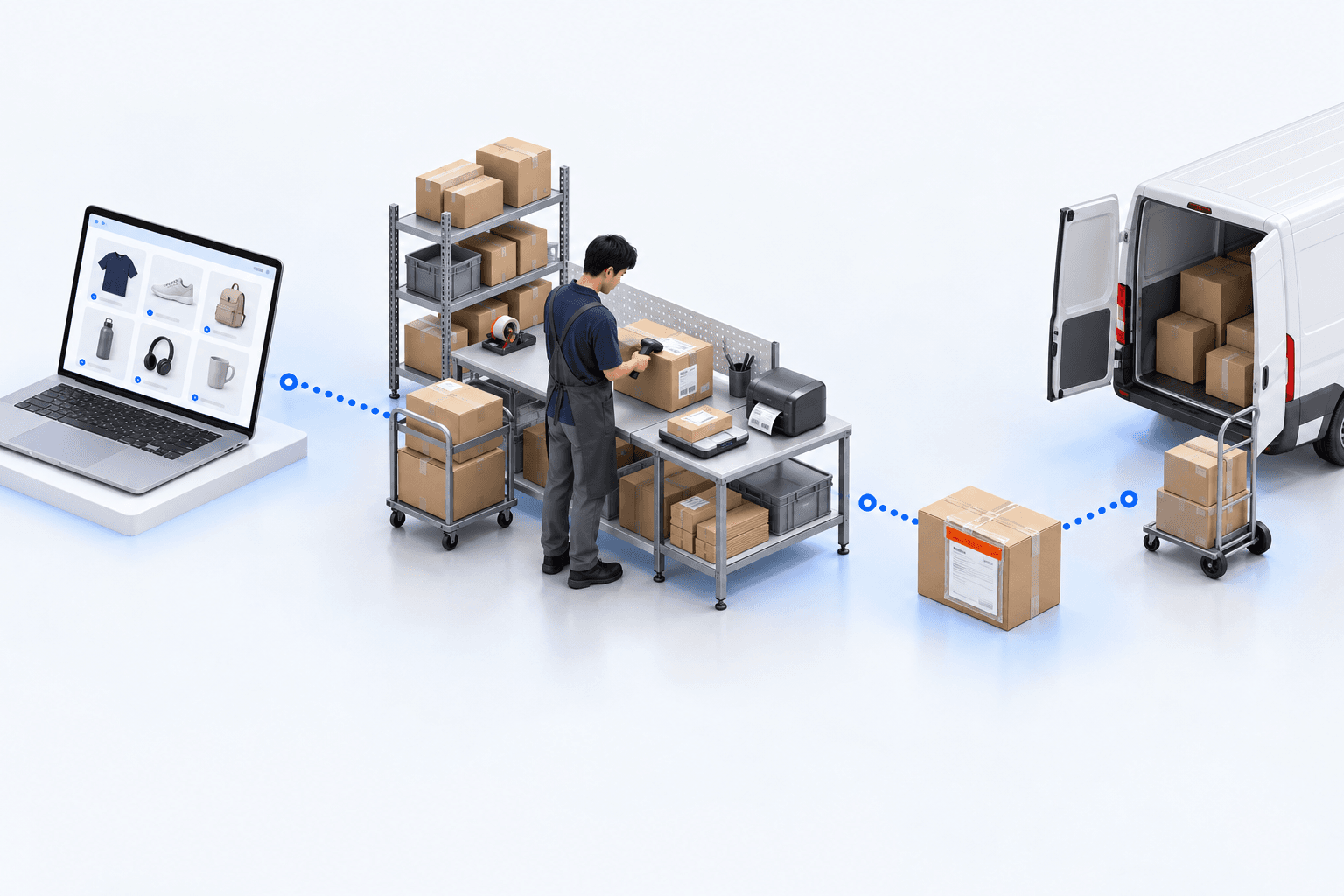
The third proof is the shipment response: readable label, customs paperwork where required, and a tracking number. The fourth is the return to Shopify, where the order must show as fulfilled with that same number. The connector writes the shipment tracking number back; it does not claim to import every later carrier scan event. Arcep and CREDOC reported in their 2026 parcel-recipient study that 62% had faced at least one delivery problem in six months, with missing tracking information among the problems named.
 ShopifyPaid order
 DHLLabel and tracking
A French electronics distributor processing more than 3,000 shipments a day centralized a multi-carrier workflow that included DHL. Label errors, previously affecting 5% to 8% of shipments, fell below 1%, and daily label-management time fell from two hours to under ten minutes. These are results from the whole operation, not a DHL-only comparison.
Run one international order through this 20-minute test
Use a paid Shopify order for a lane covered by your DHL Express account. During the first five minutes, confirm the shipping country, production or test mode, account number, sender address, recipient country, parcel weight, and whether customs data is required.
In the next five minutes, find the order in the chosen operating system. Check that the Shopify delivery method resolves to the intended DHL Express service. A similar service name is not evidence; only the service returned for that account and lane is.
Spend five minutes creating the shipment. Open the label, read the addresses, and compare the tracking number with the shipment response. For an international parcel, check the declared value, currency, item descriptions, customs codes, origin countries, and commercial invoice.
Use the final five minutes in Shopify. The order should be fulfilled with the same tracking number. If any proof is missing, stop at that handoff, correct it, and repeat the same order before opening more lanes.
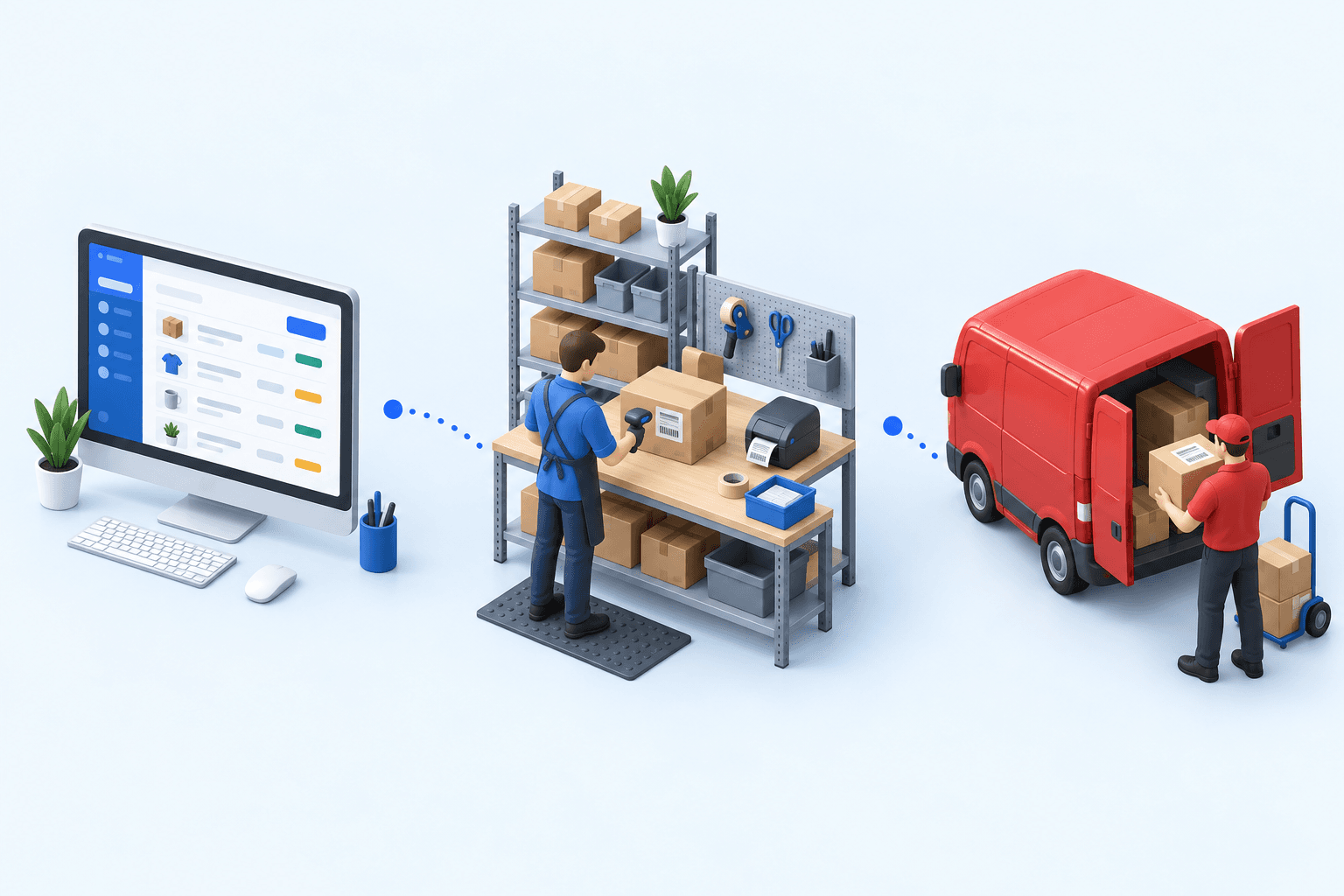
- 1Shopify orderOrder number and delivery method presentCheck in Shopify
- 2Parcel checkItems and quantities validatedCheck at the packing station
- 3DHL shipmentLabel and tracking number createdCheck in the DHL account
- 4Tracking sync back to ShopifyOrder marked as fulfilledCheck in Shopify
Add an OMS/WMS when the rules must outlive one store
A store-level route is enough when one team runs one Shopify store from one warehouse with a short service list. A shipping platform is the middle ground when labels from several carriers need one workspace but stock and preparation stay elsewhere.
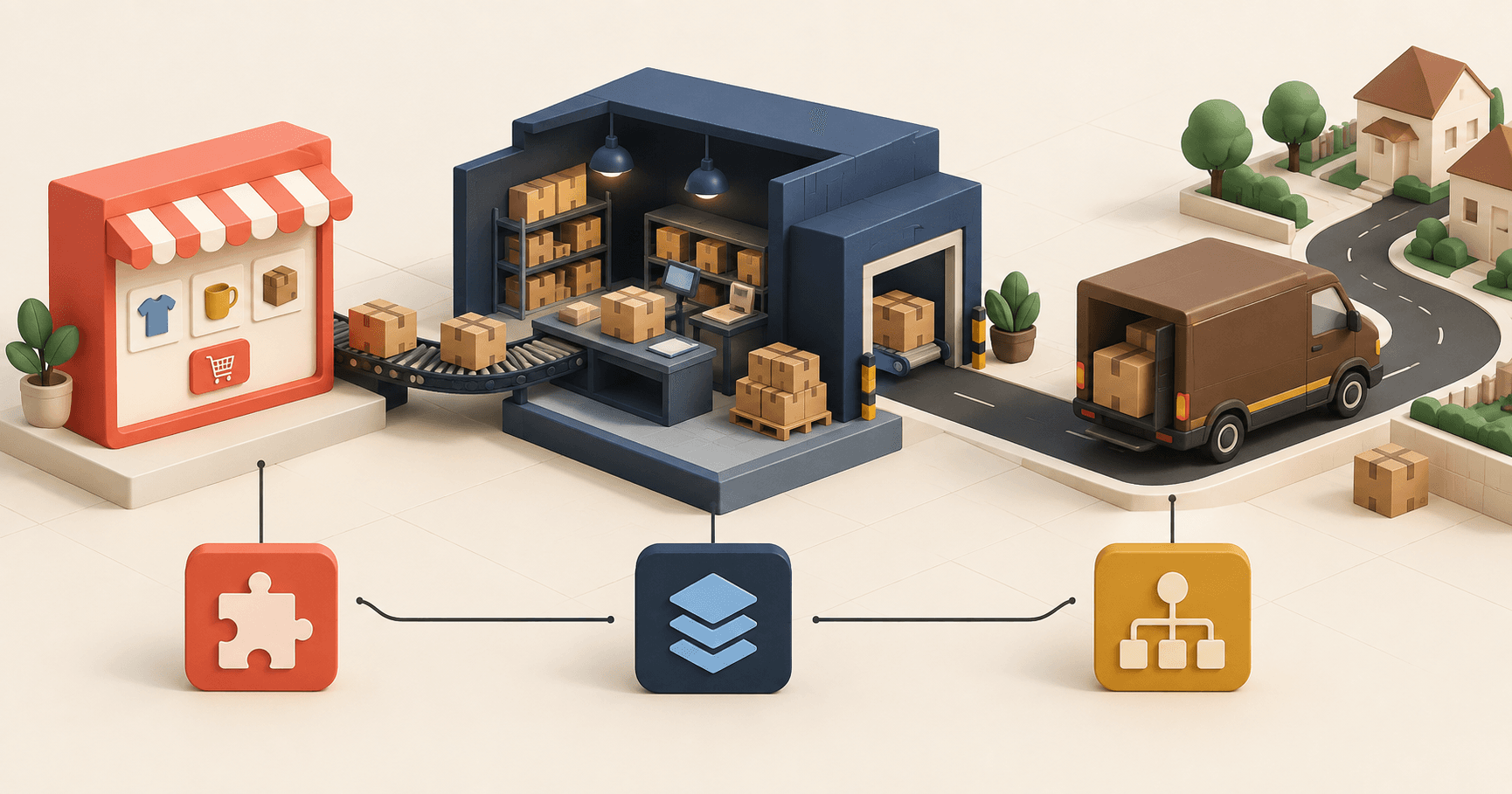
myFulfillment becomes relevant when Shopify orders share a queue with marketplace orders, inventory from selected warehouses is aggregated, or account, destination, weight, and service rules should apply consistently. The OMS owns order orchestration and the WMS owns picking and packing; the carrier account remains yours.
If DPD is also in your carrier mix, the Shopify × DPD decision article applies the same architecture test to service mapping, Pickup data, and tracking.
Use the Shopify integration for channel scope and the DHL integration for the DHL Express account, shipment, label, customs, and tracking boundaries.
Frequently asked questions
No. Confirm the DHL division, shipping country, account number, credentials, and eligible services. This flow covers DHL Express through a MyDHL account, not every DHL network.
Order import and carrier eligibility are separate checks. The mapped DHL Express service must be valid for the account, origin, destination, parcel data, and any customs requirements.
Yes, after an eligible shipment is confirmed, Shopify can receive the fulfillment and returned tracking number. Verify the same number in both systems; later carrier scan events are a separate capability.
Choose an OMS/WMS when several channels, warehouses, or shared routing rules need one queue. A store-level app is usually lighter for one store, one warehouse, and simple lanes.
Continue exploring
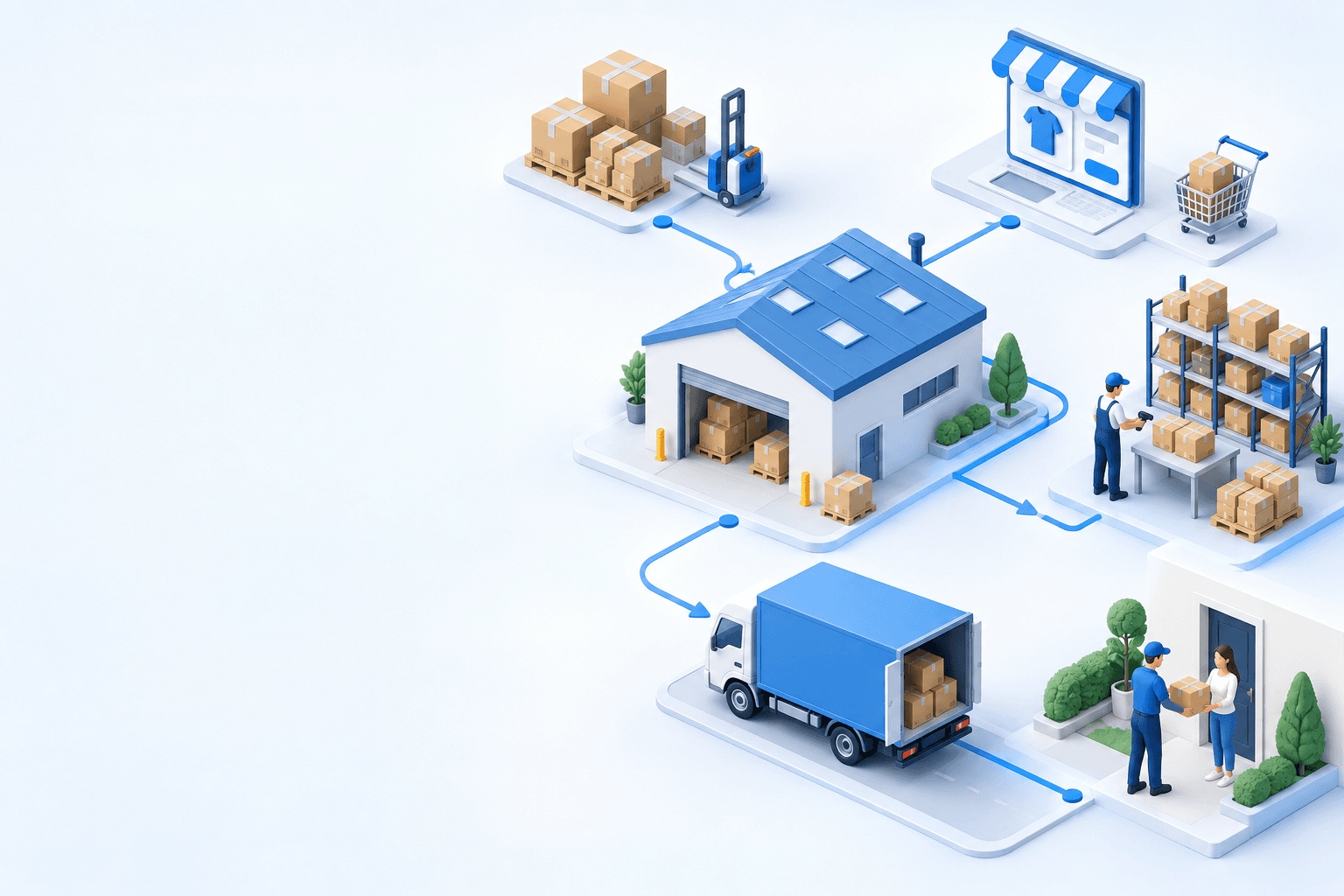
Stock availability, picking accuracy, and shipping times affect marketplace sales. Jonathan Coloma, COO of Repiauto, explains how his team went from 300 to 1,000 orders a day in two years. He describes the limits of paper-based work, ERPs built for different needs, a go-live estimate of fifteen days, and changes to his daily routine.

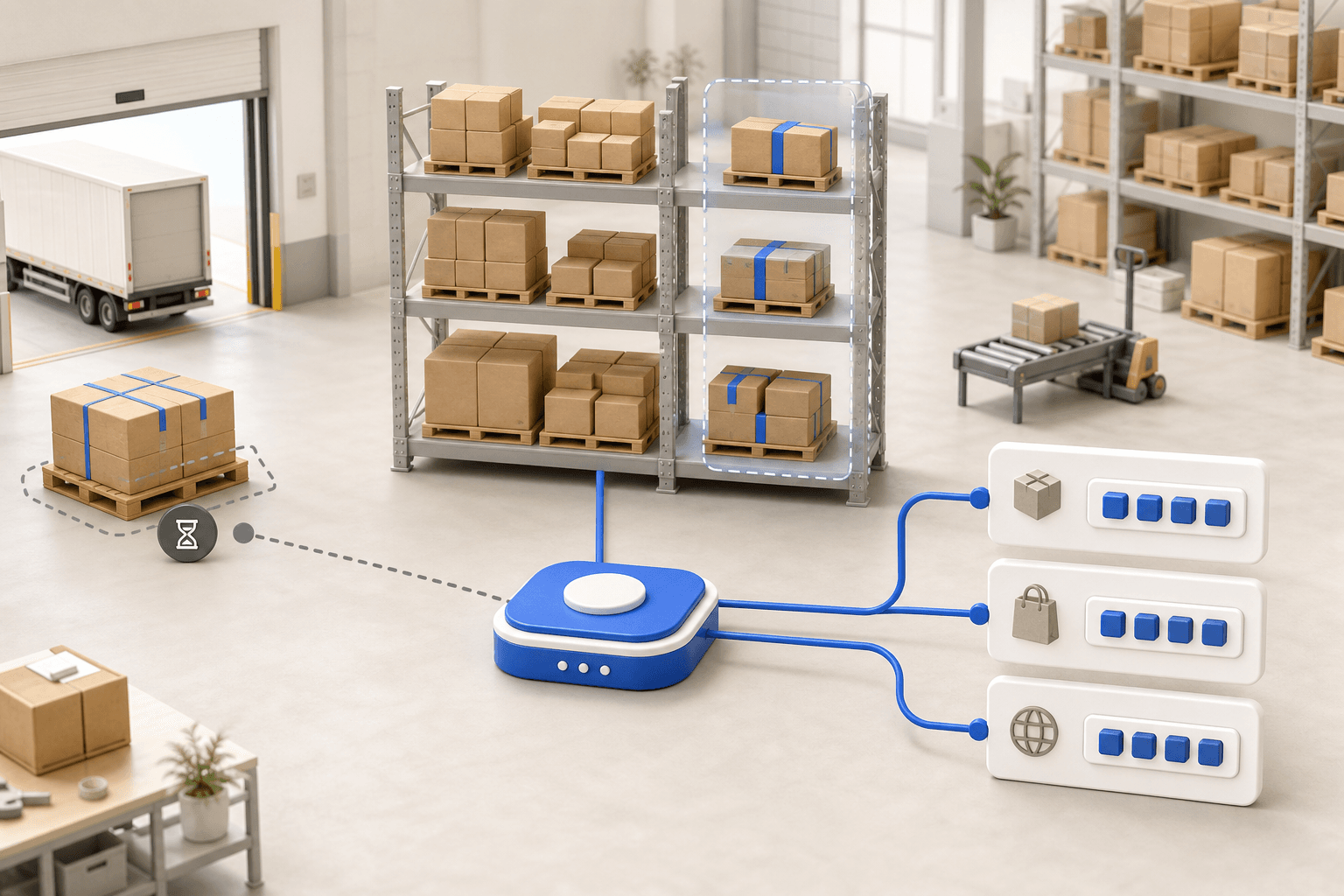
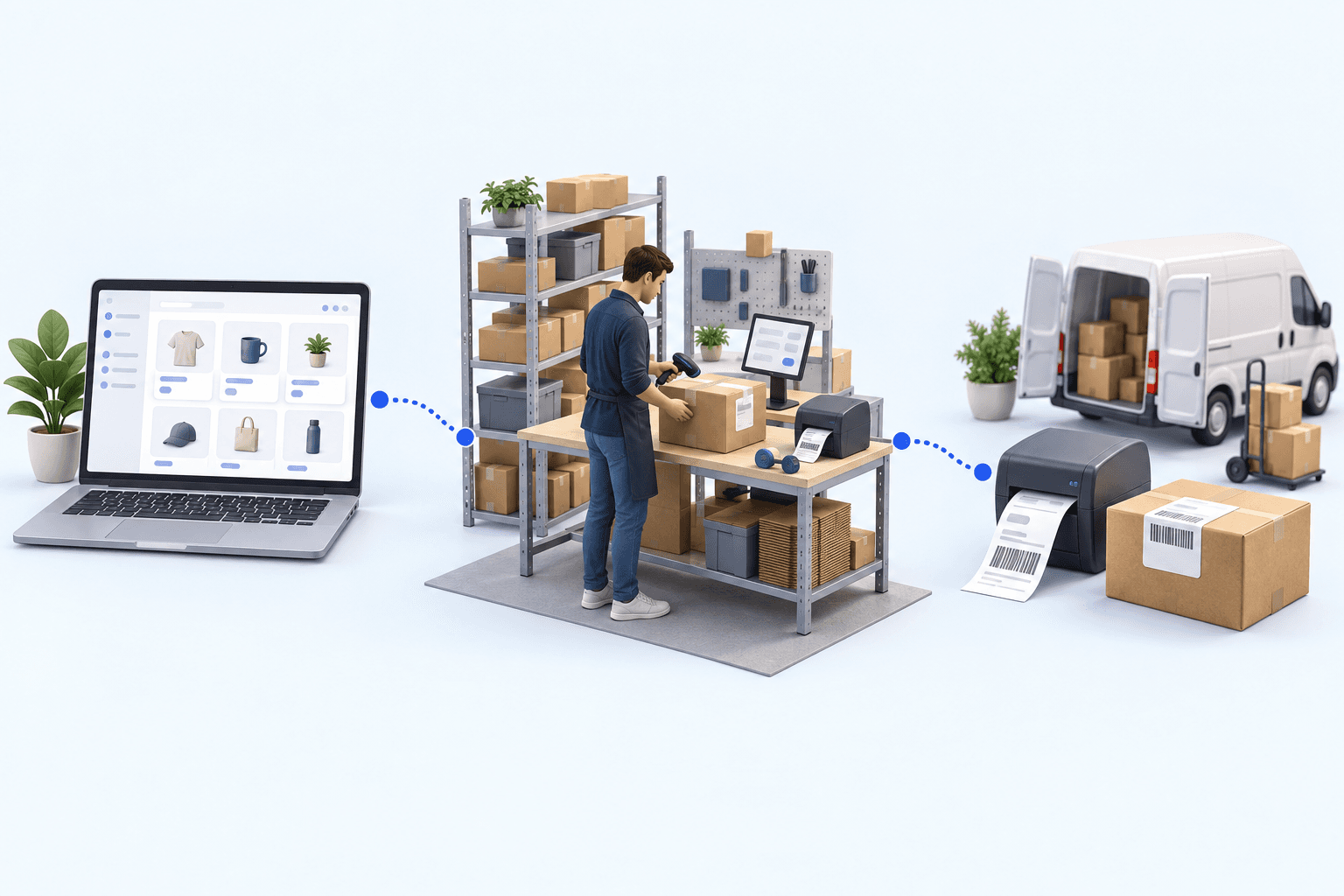
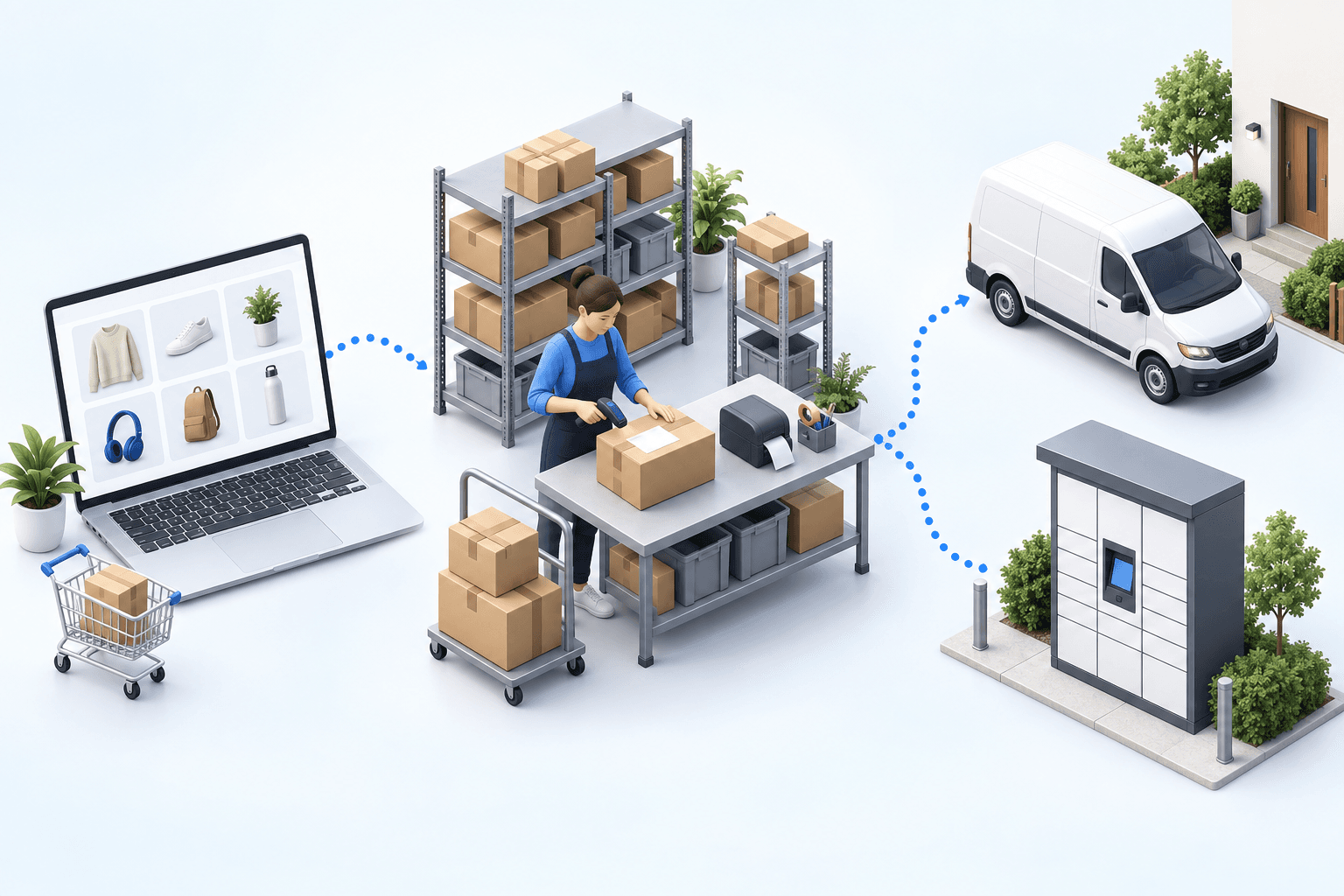
To hold up under peak volume, split the order queue into waves based on real operating constraints, then decide where barcode checks belong. At the packing bench, the operator verifies the parcel. Carrier rules select the service and print the label, so the next order can start without another decision.

Industrializing your purchasing means ordering on rules, not guesswork: at the right time (the reorder point), in the right quantity (your coverage period), from the right supplier, with a purchase order validated in one click. Available on replay.



See it in your own operations
Book a 20-minute call. We'll map your workflow and point out where it breaks. No slides.
Free 20-min call · No commitment